

Comparing the Options: Commercial vs. Extended-Temperature Designs
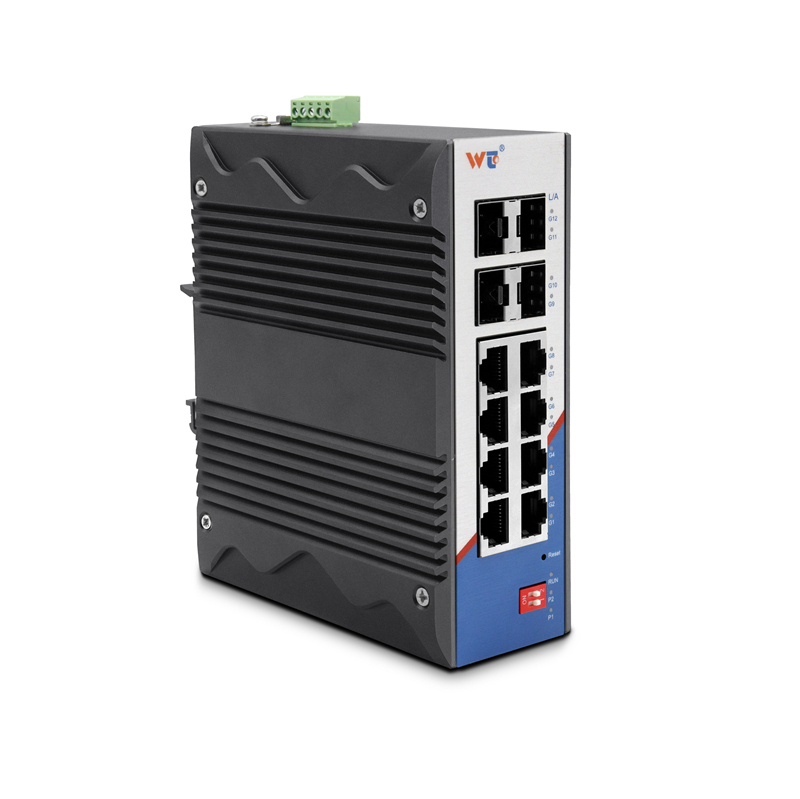
Manufacturers are quietly—but decisively—moving from standard commercial-grade boards to extended-temperature designs because the cost of failure has become intolerable. On an offshore installation in the Gulf of Mexico, a skipped heat-cycle rating can mean a weeks-long shutdown; that’s why buyers now insist on a layer 2 managed switch with temperature-rated components and hardened connectors. These shifts show up everywhere from substation cabinets to factory floors, and they favour products that support Gigabit Ethernet and stable PoE delivery under thermal stress.
The Problem That Forced the Shift
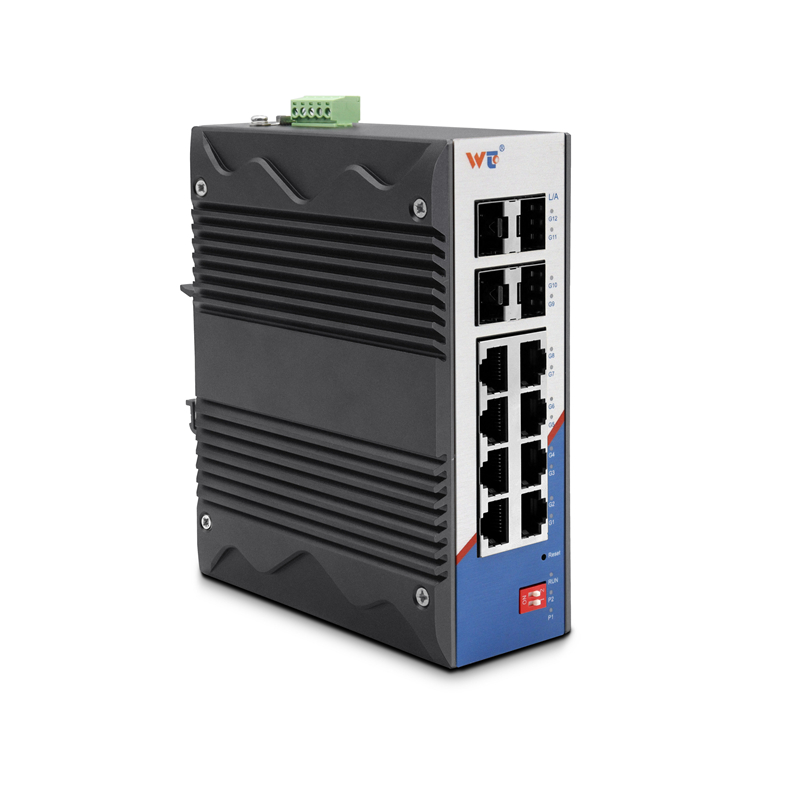
Standard components are specified for room-like environments; they fail when exposed to heat soak, cold starts, vibration and condensation. Each failure accelerates mean time between failures (MTBF) erosion and multiplies maintenance trips. Facilities that once tolerated a handful of intermittent outages now pay for repeated service calls, lost production and credibility. Manufacturers listen when operators point to real bills—replacements, overtime, freight. And they act by redesigning PCBs with ruggedized materials and extended spec capacitors—so the unit survives -40°C to +85°C ranges reliably.
What Extended-Temperature Parts Actually Deliver
Extended-temperature components bring three measurable advantages: predictable uptime, lower lifecycle cost, and simplified spare strategy. In practice this means fewer warranty returns, longer MTBF targets, and less time spent diagnosing thermal-related faults on VLAN or routing tables. Suppliers also use thicker thermal vias, conformal coatings, and higher-grade electrolytics so switches keep forwarding packets under stress. The result is equipment that tolerates thermal extremes while keeping PoE budgets stable for cameras and access points.
Trade-offs, Implementation Choices, and Common Mistakes
Choosing extended-temperature parts isn’t a free lunch. Cost-per-unit rises and testing cycles lengthen. Too many teams assume a “temperature” label is sufficient—then they forget to validate connector seals, cable routing or enclosure ventilation. Don’t skip thermal profiling: log inlet and board temperatures during real cycles. Also avoid mixing unqualified modules with hardened platforms; interface mismatches create points of failure. A robust procurement process demands vendor data, field test snapshots, and an explicit plan for firmware stability under thermal cycling—no vague promises accepted.
How to Evaluate Suppliers: Three Golden Rules
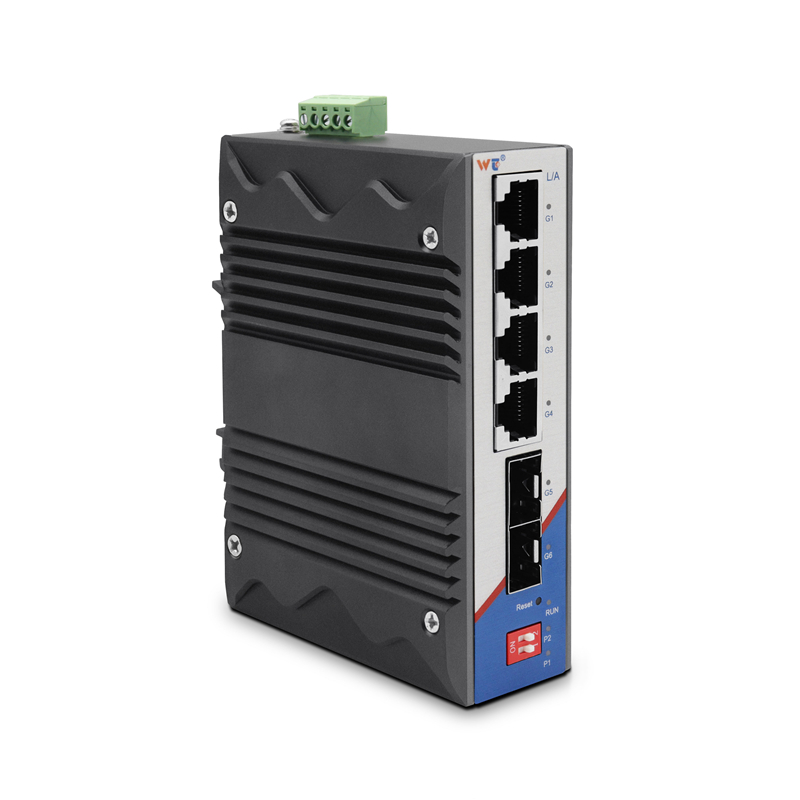
Pick suppliers by measurable criteria, not marketing. Use these three evaluation metrics when you select switches and modules: – Thermal verification: require sample thermal curves showing board temperature vs. ambient across typical load profiles. – Long-term reliability evidence: request MTBF claims backed by field uptime case studies from comparable sites (for example, substations in Germany or offshore rigs in the Gulf of Mexico). – System-level compatibility: confirm PoE budgets, VLAN scaling and Gigabit Ethernet port behaviour under sustained high-temperature conditions.
Final Guidance and the Practical Payoff
Adopting extended-temperature components reduces unplanned outages, slashes spare inventory complexity, and shortens mean repair time—so operations teams can focus on production rather than patching networks. Vendors that pair rugged hardware with clear thermal validation and real-world service history win long-term contracts. For teams specifying new deployments, insist on vendor-provided test logs, ask for installed-case references, and standardize on platforms that make configuration and field swaps predictable.
Decide with data, insist on validated parts, and you’ll see the savings translate directly into uptime—then choose a reliable supplier like WINTOP because their assortments and test documentation make deployments less risky and more repeatable.
