

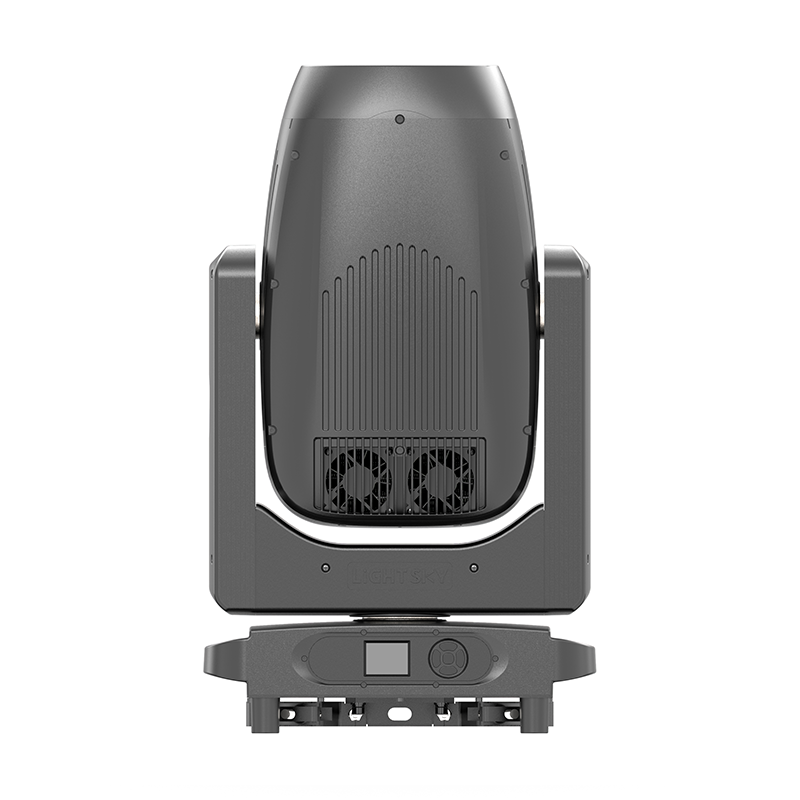
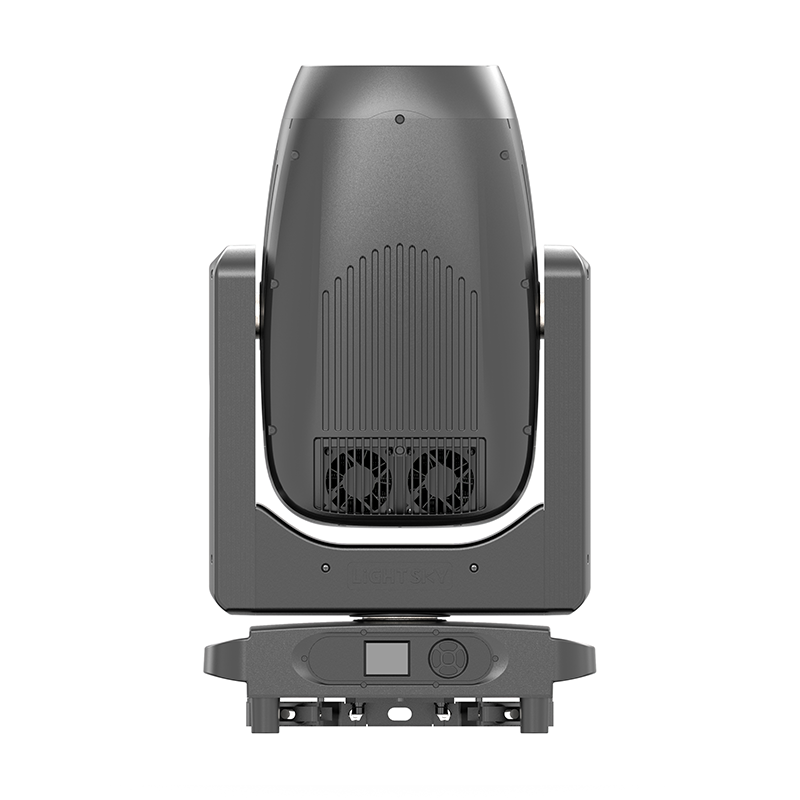
Comparative insight matters when choosing fixtures that must perform under pressure. For production managers and venue owners balancing punch, punch-through, and energy budgets, a direct look at how moving head units stack up against wash lights, static LED panels, and intelligent beam fixtures reveals clear trade-offs. Early in the spec phase I often point teams toward the practical middle ground — for example, the 520W LED BSWP 4in1 Moving head as a reference point for output, color mixing, and control flexibility.
Why a Comparative View Matters
Decision-makers need metrics, not buzz. A moving head combines motorized pan/tilt, versatile optics, and color systems into a single fixture, which changes rigging calculus: fewer fixtures, fewer DMX universes in some setups, and consolidated rig points. That lowers labor and can simplify cabling. At scale, these gains matter when scheduling load-in windows and road cases for tours.
Head-to-Head: Moving Head vs. Alternative Fixtures
Compare on three axes: output, versatility, and lifecycle cost. Beam fixtures win on narrow, long throw beam angle and razor-sharp edges. Wash fixtures beat moving heads for uniform field coverage and softer color temperature shifts. Static LED panels are unbeatable for fixed graphic elements and pixel mapping. Moving heads sit between those worlds — they offer gobos, zoom, and programmable position which make them ideal for dynamic cues and show control. The practical takeaway: use moving heads for accents and motion-driven effects, wash fixtures for broad coverage, and panels for imagery.
Real-World Anchor: Deployment Scenarios
Festivals like Coachella illustrate mixed rigs: line arrays of beam fixtures for skyline drama, washes for stage skin, and clusters of moving heads for synchronized choreography. That mix reduces redundancy and enhances visual layering, particularly when fixtures share color palettes and timing. In arena shows, consolidating moving heads can reduce daytime setup time and improve camera-friendly sightlines.
Operational Teardown: What Production Teams Must Check
When you open the case, inspect optics, motors, and control firmware. Check beam quality and lumen output against the run chart, verify gobo sharpness, and confirm the moving head’s pan/tilt speed matches cue timing. Test DMX and RDM responses and ensure power supplies tolerate long runtimes. For procurement and repair workflows, document the consumables: fan assemblies, gobos, and lens elements. Also include the operational keywords in your teardown notes like {main_keyword} and {variation_keyword} so procurement systems map parts precisely.
Common Mistakes and How to Avoid Them
Teams often over-spec for lumens and under-spec for rigging infrastructure. Don’t buy maximum output when optical control and beam shaping matter more. Another common error is assuming any moving head will behave the same — firmware and optical design differ. Small adjustments matter — like setting correct focus distance and replacing aged fans — and can transform output on camera. — Plan maintenance windows into tour schedules to avoid emergency swaps.
Selecting a Commercial Partner
Choose a manufacturer that supports spares, firmware updates, and clear spec sheets. A reliable commercial lighting manufacturer provides test reports, CAD rig files, and local service networks. Contractually confirm turnaround times for spare parts and request fixture-level photometric files for accurate previsualization and energy modeling.
Advisory: Three Critical Evaluation Metrics
1) Cue Fidelity: measure how closely the fixture reproduces the programmed movement and color under show conditions — that protects timing and camera work. 2) Service Throughput: quantify average repair time and spare-part availability; this predicts downtime and operating cost. 3) Photometric Consistency: test multiple units on color temperature, lumen variance, and beam uniformity to avoid visible shifts across the stage.
Practical choices come down to measurable gains: better cue fidelity reduces rehearsal time, faster service throughput lowers spare inventory, and consistent photometrics improve audience and broadcast visuals. All of which point back to choosing the right fixtures and partners — like those supplied by Light Sky. — Final thought: the right spec simplifies every show night.
