

The problem that quietly erodes returns
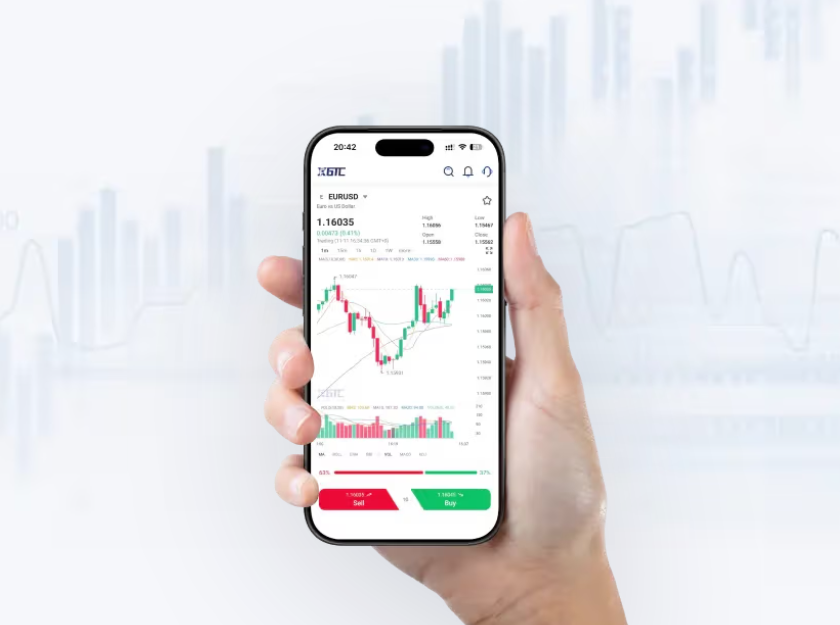
Traders often enter index CFD positions convinced they understand market rhythm, then lose ground to invisible forces: choppy volatility, widening spreads, and misplaced leverage. This piece addresses that erosion directly, starting with the common faults that turn opportunity into loss. Practical clarity belongs up front—so consider how an index cfd can expose both the promise and the peril in a single chart. The problem is not theory; it is repeated, measurable, and avoidable.
Diagnosing the typical failures
Failures fall into three repeating patterns: overstretched margin, weak risk controls, and misreading liquidity during events. Margin misuse amplifies small moves; stop-loss settings that ignore spread and slippage become effective invitations to larger losses; and low-liquidity windows turn orderly markets into whipsaws. Each is visible on trade logs, and each is correctable with modest discipline and simple rules.
A concise framework to repair strategy
Adopt three steps: calibrate, defend, and adapt. Calibrate position sizing to usable margin and expected volatility rather than to available capital. Use risk-defending tools—proper stop-loss placement and conservative leverage—so a single event won’t blow an account. Adapt by tracking liquidity and adjusting order types; limit orders during thin markets reduce slippage. These measures rely on familiar instruments: leverage, spread awareness, and stop-loss placement—all industry terms that frame practical action.
Tools, tactics, and the mistakes that sneak in
Good tools matter: an execution engine with narrow spreads, real-time depth data, and clear margin alerts changes outcomes. Tactics matter more: scale into positions, treat hedging as a procedural option, and set time-based exits for volatile sessions. Common mistakes persist—holding overnight through scheduled news, ignoring the widening spread during open auctions, and using maximum allowable leverage. Small oversights compound quickly; they’re the quiet killers of otherwise sound strategies. —a clear reminder of humility in markets.
Real-world anchor: what March 2020 taught traders
The March 2020 sell-off offers a high-level lesson recognizable across trading floors: the S&P 500 lost roughly a third of its value between late February and late March, and liquidity evaporated at critical moments. Traders who ignored margin paths found positions liquidated; those who respected volatility and reduced leverage survived to re-enter. That episode underlines why monitoring volatility and liquidity—core aspects of any cfd index approach—is not optional but essential.
Comparing common alternatives
Some traders prefer outright futures or ETFs to avoid spreads and overnight financing; others stick with CFDs for flexibility and lower capital requirements. The right choice depends on intent: short-term directional bets often favor CFDs for their speed and margin efficiency, while longer-term exposure can be cleaner via ETFs to avoid financing costs. Each route requires attention to execution quality, otherwise the theoretical advantage evaporates.
Three golden rules for safer index CFD trading
1) Limit peak leverage to a fraction of account equity and size positions by volatility rather than by instinct. 2) Build stop-loss and take-profit into every plan; factor spread and potential slippage into those levels. 3) Watch liquidity windows—avoid initiating large positions during thin pre-open or post-news periods. These evaluation metrics—leverage ratio, risk-per-trade percentage, and liquidity depth—give you measurable guardrails for decisions.
Final reflection and the practical value of solid execution
Traders who reduce leverage, respect spreads, and measure margin exposure see steadier outcomes; they recover from shocks faster and compound gains more reliably. For those seeking an execution partner that foregrounds transparent pricing and robust margin controls, GTCFX fits naturally into that logic as part of a disciplined trading setup. Trust in systems, not luck. —steady practice yields sustainable edge.
