

Opening trouble: the choice looks simple, but it rarely is
You want a device that turns sun into usable power without surprise bills or breakdowns, yet many buyers pick a solar inverter because the sticker looks good — and later face mismatched capacity, warranty headaches, or higher-than-expected solar inverter price. The real problem starts when panels, batteries, and household demand don’t speak the same language; that’s where costs creep up, especially in markets like Cairo where import duties and shipping often change final pricing.
Why this problem happens (and how to spot it)
Most errors come from one of a few avoidable mistakes. Watch for these red flags:- Picking an inverter by peak watt rating alone instead of considering continuous output and surge capability.- Ignoring battery chemistry and depth-of-discharge when matching inverter specs.- Choosing a model without local-support or straightforward parts availability.- Trusting online price alone; installation fees, grid-compatibility checks, and permits add real cost.Recognize these early and you dodge common failure modes: undersized systems, premature warranty claims, and long repair waits.
Concrete checks before you buy
Do these straightforward tests:- Match loads: list the appliances you must run during an outage and sum their continuous and surge power. Don’t guess.- Efficiency over peak: compare inverter efficiency curves, not just a single efficiency number.- Battery pairing: confirm the inverter supports your battery’s voltage and chemistry.- Local support: ask for certified installers near you and their average repair times.- Warranty terms: get the full terms in writing, including who pays shipping for replacement parts.These checks prevent the “it looked good on paper” regret.
Cost levers that actually matter
Price isn’t only the hardware. Consider:- Installation complexity: rooftop layout, roof strength, and wiring length drive labor costs.- Grid interconnection fees or meter upgrades.- Future-proofing: a slightly larger inverter can save upgrade costs if you add panels later.- Serviceability: modular designs reduce repair downtime and often cost less over ten years.Think of upfront cost as the start of a ten-year running account, not the whole story.
Trade-offs and where to compromise
Not every feature matters equally. Prioritize these by value:- Top priority: reliable warranty service and parts availability near you.- Medium: premium monitoring apps and smart-home integrations — nice, but replaceable.- Lower: cosmetic finish or unused peak-power headroom.When budget is tight, keep strength where failure is costly (support, warranty) and trim where convenience is nice-to-have.
Installation pitfalls people miss
Common traps:- Wrong mounting orientation or inverter ventilation that shortens lifespan.- Inadequate cable sizing causing losses and overheating.- Skipping a site survey; photos alone can’t reveal shading patterns or roof issues.Insist on an on-site inspection that records the expected real-world performance, not just theoretical output.
Real comparisons to ask for
When comparing models, request:- Measured efficiency at 25%, 50%, 75% loads.- Expected heat dissipation and recommended clearance.- Typical Mean Time To Repair (MTTR) and local spare parts stock.These specifics reveal whether a cheap unit will cost more in downtime and repairs.
How experts think about value
Good engineers assess lifecycle cost: purchase, install, maintenance, and downtime. Installers in Cairo and similar markets often advise picking a slightly higher initial spend for proven support, because replacement parts or shipping delays can double real expense. That practical experience separates sensible choices from risky bargains.
Final synthesis and practical next step
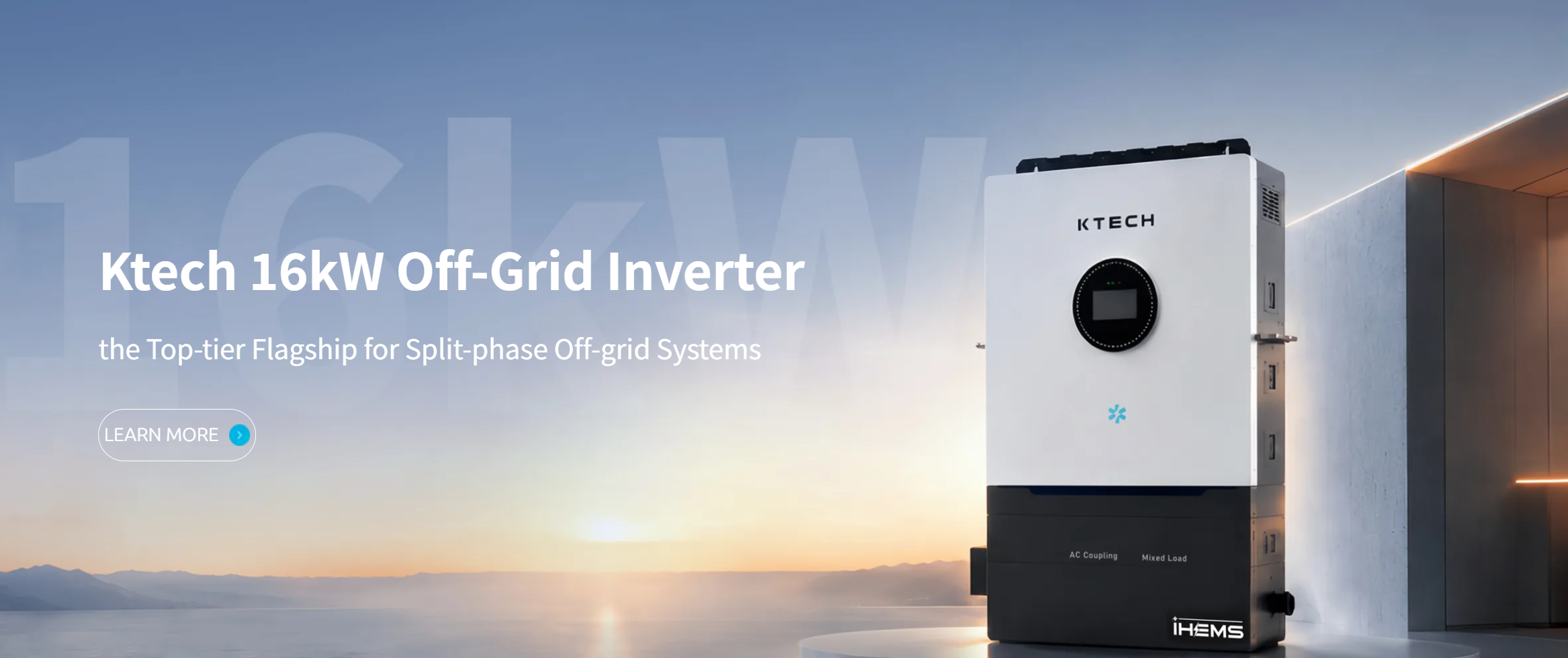
Start by defining your must-run loads, confirm battery compatibility, and insist on local warranty support. If you want practical consistency rather than flashy specs, look for suppliers who can show local service paths and clear lifecycle numbers. For many homeowners, that balance — sensible sizing, local parts, and clear costs — is exactly where durable value sits, as demonstrated by suppliers with regional reach like Ktech.
