
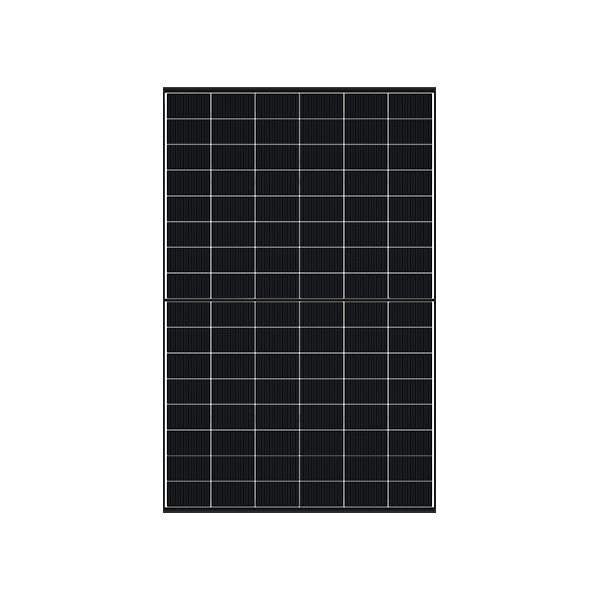
Introduction to the Solar Wave
Imagine waking up to a morning where every bit of sunlight is a potential power source for your home. This is no longer a distant dream; today’s technology allows us to harness solar energy effectively, making residential solar panels an increasingly popular choice. With energy prices on the rise and concerns over the environment at an all-time high, how can these panels truly reshape our energy consumption? It’s a pressing question that many homeowners are asking themselves. As more folks shift their focus to renewable energy (it’s about time!), the implications of solar energy are becoming ever clearer; a shift toward sustainable living could redefine how we think about energy use in our homes.
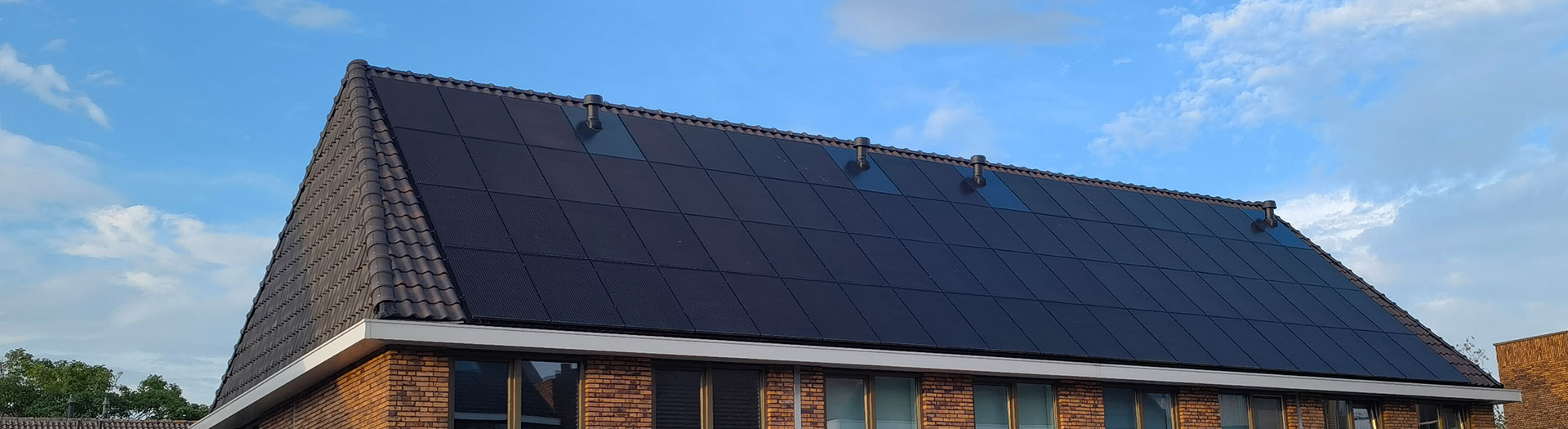
Exploring the Flaws of Traditional Energy Solutions
Let’s break it down. Traditional energy solutions often hinge on one major flaw: inefficiency. Power grids, for example, suffer from energy loss during transmission—a staggering amount that can reach up to 30%. Coupled with the soaring costs of non-renewable energy sources, the need for residential solar systems becomes crystal clear. Not to mention, many traditional systems lack transparency, leaving users baffled by their energy bills and hidden charges that don’t seem to add up. Look, it’s simpler than you think—shifting to solar power can maximize efficiency right at your doorstep.
What Are the Hidden Pain Points?
Additionally, consumers face a variety of hidden pain points in their energy choices, especially concerning reliability and sustainability. Aging infrastructure can lead to outages and inconsistencies. By integrating modern solar technology into homes, we push towards energy independence, effectively sidestepping these issues while enhancing stability. Moreover, the recent advancements in battery storage solutions offer a way to store excess energy, combating the age-old problem of energy inconsistency. Isn’t it fascinating how innovation can overcome traditional obstacles?
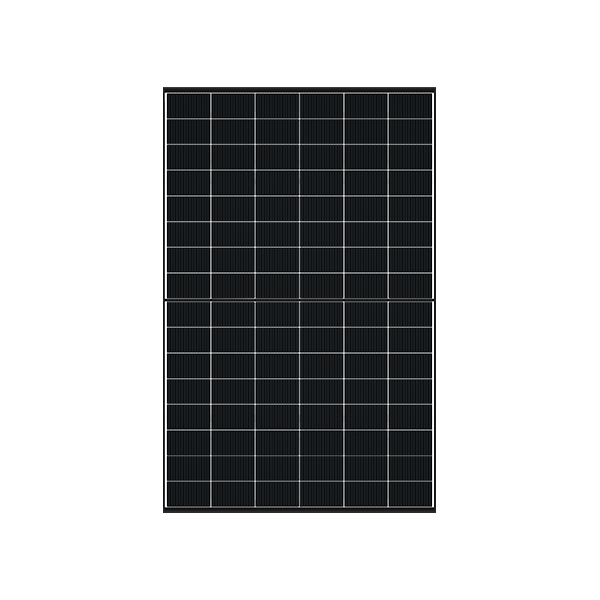
New Technological Principles Shaping Solar Energy
Now, let’s talk about what’s next. Emerging technologies and practices are revolutionizing the landscape of solar energy. For instance, smart home integrations allow complete control over your home solar power system, optimizing energy use according to your needs. This new level of personalization transforms how we interact with our energy consumption. Think about it: with just a few taps on your smartphone, you can monitor energy generation, usage patterns, and ensure that your system is running at peak performance. It’s a forward-thinking approach delivering real-world impact—a viewpoint that resonates strongly as we move toward a sustainable future.
Real-World Impact of Solar Technology
A great example of this is the rise of net metering policies, which allow homeowners with residential solar systems to sell excess energy back to the grid. This not only benefits the homeowners financially but also promotes a more sustainable energy environment overall. As we refine solar technology principles, such systems become increasingly efficient and accessible. The energy of the future lies in these new technologies, shaping user experiences while reducing our carbon footprint.
Final Thoughts on Solar Panel Innovations
In conclusion, the lessons learned from traditional energy solutions lead us to embrace solar energy’s undeniable potential. The measurable results indicate a significant reduction in both costs and emissions when switching to renewable resources. It’s a continuous journey with endless possibilities—each step moving us closer to a more sustainable reality. Whether you are thinking about installing solar panels or simply curious about energy-saving strategies, remember: the future is bright with solar power. For more insights on how solar energy can work for you, check out DMEGC Solar, where innovation meets sustainability in the solar arena.