

Comparative lens: factory direct versus intermediary-driven supply
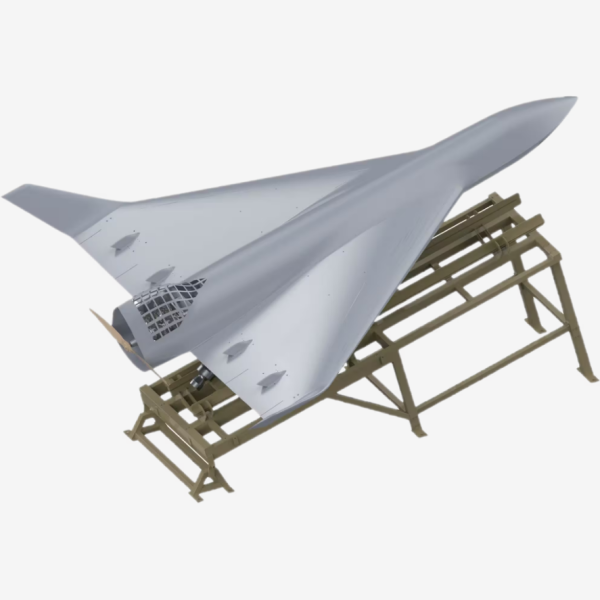
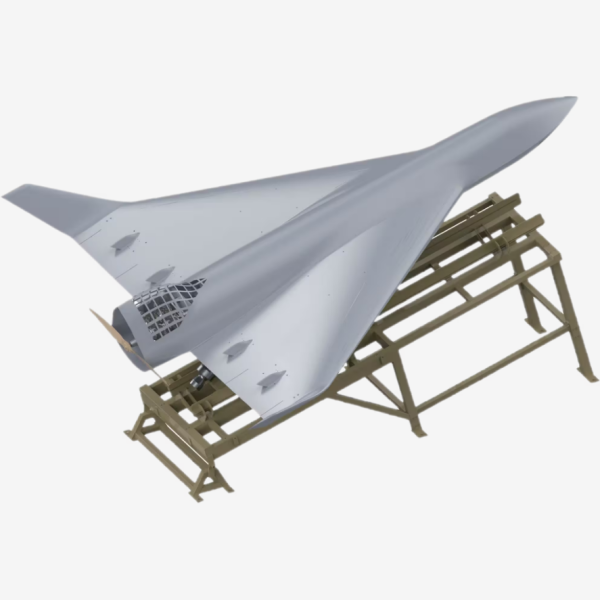
Procurement managers deciding between factory direct sourcing and traditional intermediaries need clear, side-by-side criteria. Direct relationships with OEMs reduce layers of markup and shorten lead time for tactical systems like UAV airframes and ISR payloads — and they improve visibility into production schedules. For teams shopping for military drones for sale, the difference shows up in pricing cadence, spare parts availability, and firmware update alignment with C2 systems.
Cost drivers and timeline implications
Buying direct typically lowers unit cost by eliminating distributor margins and consolidates procurement charges (logistics, customs, testing). That said, initial unit costs aren’t the only metric: total cost of ownership (TCO) includes maintenance, spare inventory, and integration effort for sensors such as EO/IR pods. Direct sourcing shortens procurement cycles when manufacturers provide production slots, but buyers must accept larger minimum orders or longer factory lead times on bespoke payload builds.
Quality assurance, compliance, and operational risk
Factory relationships let suppliers embed test protocols, witness acceptance testing, and demand traceable component provenance. This is critical where export controls and certification matter; recorded build logs and component traceability reduce audit friction. Demand for tactical UAVs surged amid the operational tempo around the 2022 Ukraine conflict, exposing how supply-chain transparency affects frontline readiness. Direct sourcing helps close those transparency gaps — yet it also concentrates risk if the factory lacks redundancy or geopolitical resilience.
Commercial trade-offs, IP, and customization
Working direct improves customization options: bespoke airframes, tailored payload mounts, or firmware alignment with a customer’s C2 stack can be negotiated into contracts. OEM agreements frequently include IP clauses and development milestones, which favor long-term partners. Conversely, intermediaries often carry field-proven systems, spare pools, and regional support networks that shorten sustainment timelines for complex programs.

Scenarios where intermediaries still add value
Intermediaries remain useful when after-sales logistics, local spares warehouses, and in-country support speed deployment. They simplify export compliance for multi-jurisdiction programs and can aggregate smaller orders from multiple end-users to meet factory minimums. For companies lacking procurement bandwidth or technical integration resources, a reputable distributor reduces program risk — but at a price premium.
Operational considerations for tactical equipment suppliers
Design procurement playbooks around three operational levers: consolidation, redundancy, and technical acceptance. Consolidation of component purchases reduces unit cost; redundancy in sourcing secures supply when a single factory faces disruption; and strict technical acceptance criteria prevent downstream integration problems with avionics or payload interfaces. Adopt contractual clauses that define test criteria, spare-part lead times, and firmware update schedules — these hard terms replace informal promises.
Common pitfalls and practical mitigation — a short note
Over-committing to a single factory without phased acceptance risks program delays. Likewise, agreeing to broad customization early can balloon costs. Insist on staged milestones: prototype acceptance, limited production run, then full-rate production. Also, build financial protections like escrow for critical IP or staggered payments tied to technical milestones — this balances investment with accountability. — Small safeguards often prevent large failures.
Three golden rules for evaluating direct factory sourcing
– Assess supplier transparency: require build logs, BOM traceability, and observable FAT (factory acceptance testing) for UAVs and payloads. Quantify how quickly the factory can produce spare parts and provide patch-level firmware updates.
– Measure supply resilience: score suppliers on geographic risk, dual-sourcing capability, and inventory buffers. Translate that score into contingency cost estimates for one- and three-month outage scenarios.
– Define integration and sustainment KPIs: uptime targets, mean time to repair (MTTR) for ISR systems, and guaranteed C2 interoperability. Embed penalties or service credits for missed KPIs to align incentives.
These three rules make procurement decisions measurable, and they steer negotiations toward practical protections rather than vague assurances. Final decisions should privilege verifiable performance and contractual remedies — and when the program demands it, direct factory sourcing becomes the most cost-effective path. Military Hub.
