

User-first case for high-fidelity comms
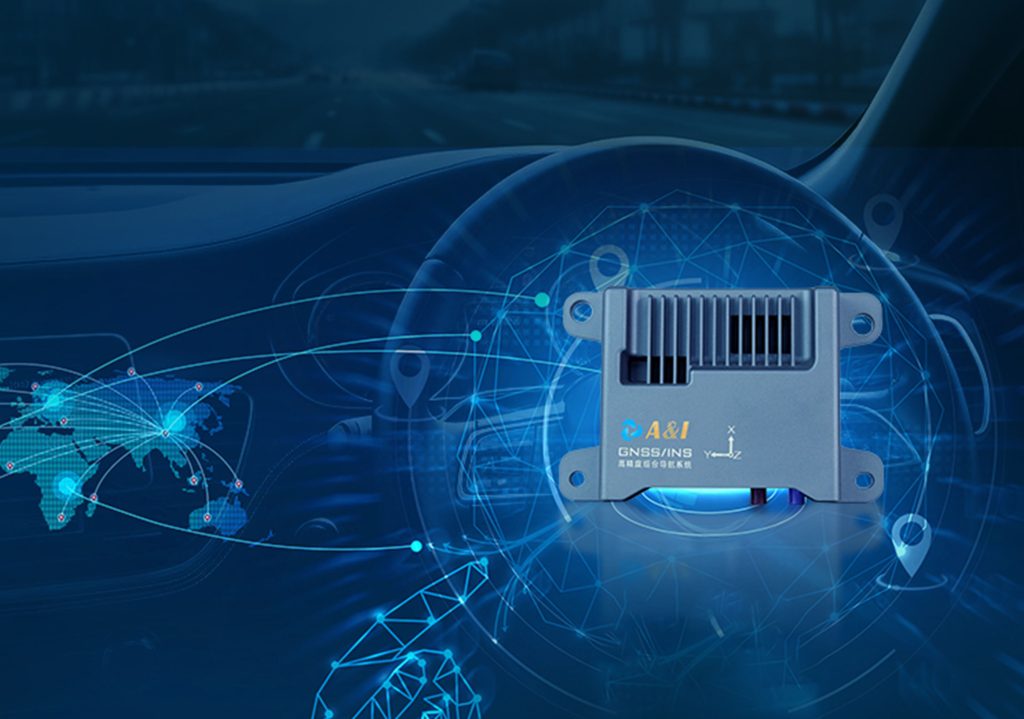
Fleet managers value uptime and predictable margins more than flashy demos. Start with that and the argument for better sensors and communications becomes obvious — fewer near-misses, simpler compliance, and less downtime. Practical choices here include better telemetry, stronger V2X links, and reliable positioning hardware like an rtk receiver so vehicles actually know where they are to centimetre-level accuracy.
What precision buys you — and why it matters for operators
Centimetre-level positioning from RTK and GNSS changes daily ops. Loading, routing and automated yard moves stop relying on eyeballing or crude odometry. That cuts idle time and reduces avoidable collisions with static infrastructure. For context: container terminals around Port Botany in Sydney already prioritise precise positioning to speed transfers and reduce crane conflicts — a real-world anchor that shows this isn’t theoretical. A solid stack uses RTK, GNSS, sensor fusion and selective LiDAR for redundancy.
Practical capital-allocation trade-offs
Spend on everything and you’ll spread the budget thin. Spend smart and you’ll fix the single biggest pain point for your crew. The pattern I recommend: shore up positioning first (RTK base stations or networked corrections), then fund robust telemetry and V2X for vehicle-to-infrastructure messages, and finally add advanced perception like LiDAR where risk justifies cost. Expect different payback windows — positioning upgrades often return value quickly through route optimisation and fewer reworks, while full perception suites deliver steady long-term safety gains.
Deployment playbook and common mistakes
Start small: pilot a cluster of vehicles and a single depot. Match hardware to use-case — don’t buy 360-degree LiDAR if you really need centimetre GPS corrections near depots. Be wary of two mistakes: over-integrating every sensor at once, and underestimating telematics bandwidth. Calibration and firmware updates are ongoing tasks, not one-off jobs. Also, integrate the cloud and edge intelligently — some latency-sensitive functions should stay local.
Tech stack essentials
Keep the architecture layered: high-precision GNSS/RTK for position, V2X for priority messages, local sensor fusion for obstacle handling, and central telemetry for fleet health. The rtk gps gnss layer must be resilient: redundancy, correction streams, and fallback modes for urban canyons. Use standard protocols where possible to avoid vendor lock-in and to make future upgrades cheaper.
Human factors that change the ROI
Drivers and yard staff will save time with clearer cues and fewer manual interventions. Train crews to trust the system gradually — start with advisory alerts, move to shared control, then expand automation. Small wins matter: fewer tailgate incidents, faster gate processing, and lower stress for shift leads. – Keep the human in the loop while the system learns.
Summary of what works
High-fidelity comms and precise positioning are not luxury features; they’re tactical investments that reduce friction. Prioritise RTK-grade positioning and resilient telemetry, then layer perception and automation where risk and volume justify it. Pilots that focus on real operational metrics — loading time, rework rates, incident counts — will show the clearest ROI and guide expansion.
Three golden rules for choosing the right strategy
1) Measure first: pick three operational KPIs and baseline them before spending a cent. 2) Build redundancy: dual correction sources, fallback GNSS modes, and local processing to handle comms loss. 3) Stage upgrades: fund positioning and comms early, then add perception where it moves the needle most. These rules keep budgets honest and outcomes visible — the exact approach Archimedes Innovation helps firms implement with tailored pilots and pragmatic rollouts. –
