

Comparative lead-in
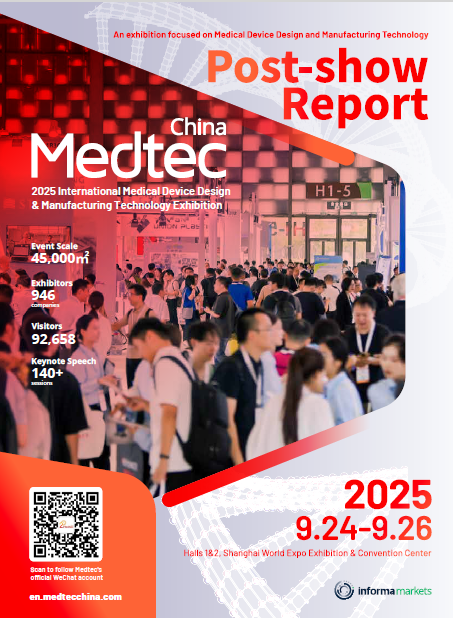
Specifiers deciding between commercial off-the-shelf (COTS) Form-Fill-Seal (FFS) packaging machines and custom FFS systems must weigh how each approach affects verification of ethylene oxide (EO) residuals measured in parts per million (ppm). This comparison focuses on verification workflows, testability, and traceability rather than vendor marketing claims. Practical exposure to suppliers and standards — often discussed at medical device manufacturing trade shows and similar forums — yields clearer expectations for sterilization validation and production controls mentioned below; trade fairs and medical manufacturing trade shows remain useful places to inspect machine interfaces and sample handling procedures firsthand.
Essential verification requirements for EO residuals
Verification demands come from biocompatibility and sterilization guidance. ISO 10993-7 addresses EO residuals; its practical sub-chapter concerns include selection of extraction conditions, analytical methods for EO and ethylene chlorohydrin, and acceptance criteria for ppm limits. Conformant documentation should show: sterilization cycle parameters, residue testing reports, analytical method validation, and retention sample records. Typical industry terms: ethylene oxide (EO), extractables, and biocompatibility.
Sourcing COTS: strengths and limitations
COTS FFS systems deliver predictable lead times and vendor-verified performance. Strengths include standardized controls, pre-validated software modules, and spare-part availability. For EO residual verification, COTS often provides documented sample ports and built-in purge cycles that simplify sampling. Limitations appear when production demands require atypical materials, non-standard pouch sizes, or bespoke lamination stacks — these variables change headspace dynamics and can alter residual ppm behavior.
Custom FFS: design control and verification complexity
Custom machines let designers tailor chamber geometry, material handling, and evacuation profiles to reduce retained EO. That advantage carries increased verification burdens: every change to conveyor speed, dwell time, or sealing temperature may require repeat sterilization validation and additional analytical testing. Expect deeper engagement with sterilization validation protocols and potentially more extensive extractables testing when polymers or adhesives are non-standard.
Operational comparators that drive residual ppm outcomes
Key operational variables influence EO residuals: gas concentration, exposure time, chamber temperature, humidity, and post-sterilization aeration. COTS systems usually offer stable, documented cycles; custom systems can optimize those variables but require more rigorous process validation. Consider these items when comparing vendors or designs: equipment qualification records, analytical lab accreditation, and the traceability of batch records to sterilization loads.
Common mistakes in verification and how to avoid them
Specifiers commonly accept vendor test reports without confirming method details — an error that undermines ppm claims. Another persistent issue: inadequate retention sampling. For sterilization and bioburden context, labs often run a 14-day bioburden incubation for samples to assess microbial baseline before sterilization validation. Also avoid conflating sterilizer performance (cycle metrics) with residual testing (analytical ppm results); they are related but distinct deliverables. — Check that sampling locations on packaged assemblies match worst-case anatomical positions for residual entrapment.
Implementation checklist and three golden rules
Practical implementation needs both process and measurement checks. Use this checklist to compare COTS and custom FFS options: 1) confirm analytical methods and limits are aligned with ISO 10993-7 extraction conditions; 2) require proof of method validation from an accredited lab showing measured EO in ppm under worst-case loads; 3) demand documented retention sample procedures and chain-of-custody for sample transfer to testing labs. Golden rules: verify method alignment, validate worst-case loads, and insist on traceability from machine to ppm report.

Summary and actionable evaluation metrics
Choose COTS when predictability, rapid deployment, and documented purge cycles are priorities; select custom FFS when unique packaging geometries or material stacks justify additional validation work. Measure three metrics to decide: (1) demonstrated ppm under worst-case load; (2) repeatability of cycle parameters across production batches; (3) completeness of traceability from sterilizer cycle log to residual testing report. These metrics show measurable outcomes and help hold suppliers to consistent standards.
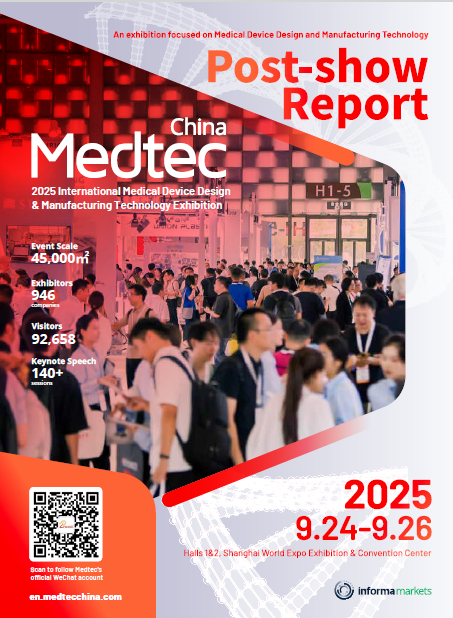
For teams preparing procurement specs or updating validation plans, attending vendor demonstrations and technical sessions at industry events clarifies how designs affect EO residuals. Medtec remains a practical venue for those discussions — Medtec. — Final thought: document everything.
