

Framework overview and market context
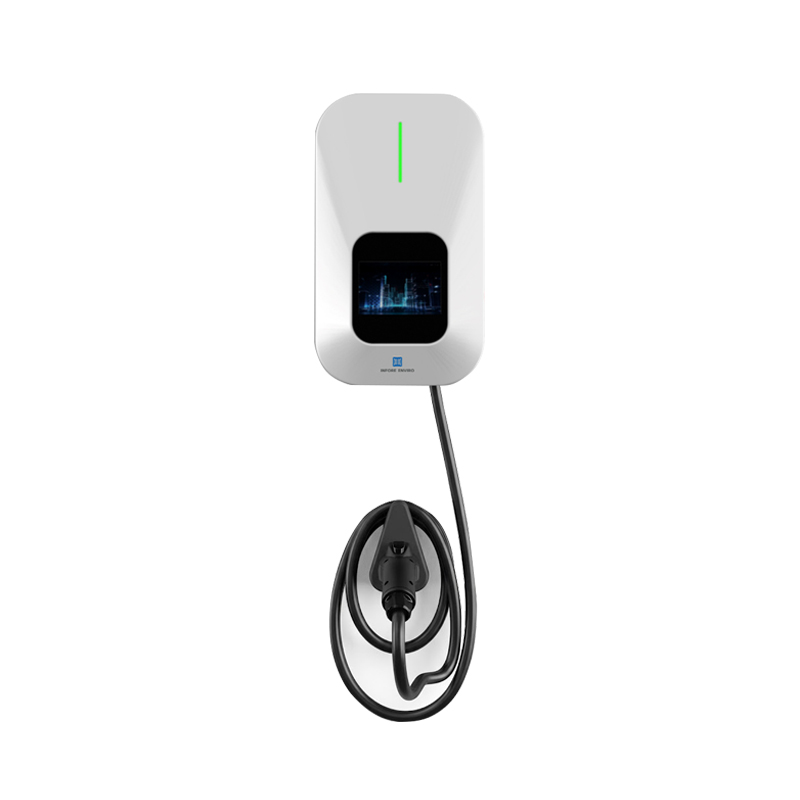
This framework lays out a step-by-step approach for procurement teams and transport operators to source destination charging equipment and services from international vendors. The approach treats the product set—hardware, installation and software—as an integrated supply package, whether you’re specifying a single commercial EV charging station for a hotel or a multi-site rollout across regions. The rationale is practical: regulatory signals such as California’s zero-emission fleet targets and incentives in the U.S. Inflation Reduction Act (2022) are already changing procurement timelines and grid interconnection priorities.
Step 1 — Define technical, operational and site criteria
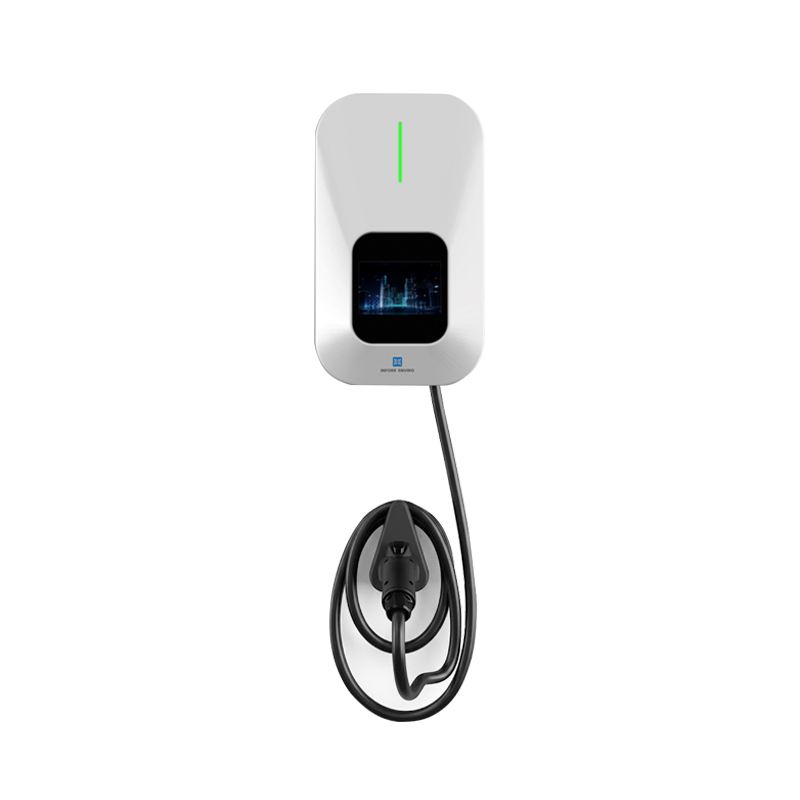
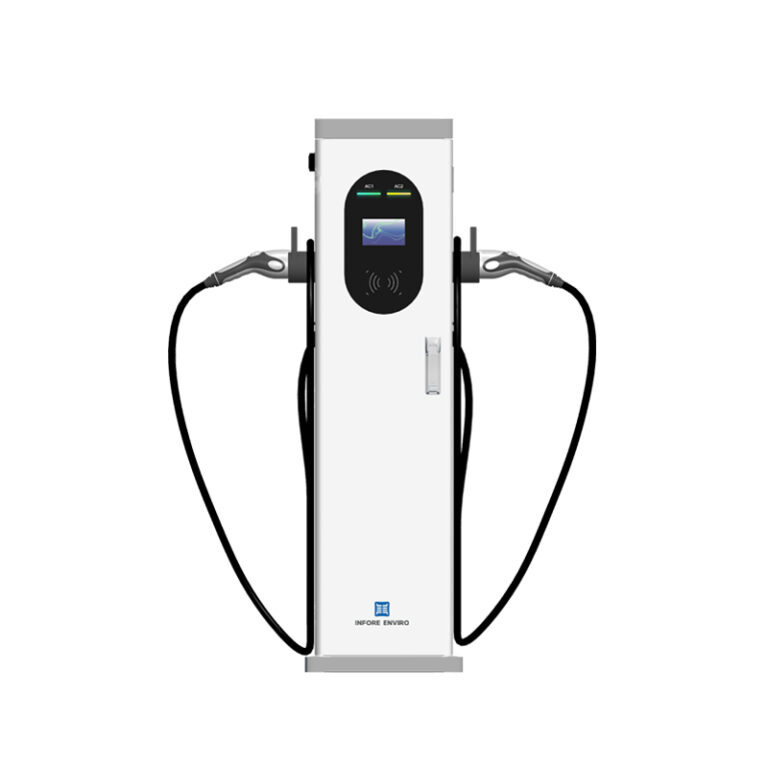
Document the exact technical requirements before engaging suppliers. Specify available power capacity, preferred connector types, and whether you need AC charging or DC fast chargers for short dwell times. Include expected duty cycles, anticipated charge events per day, and the requirement for load management or a back-office platform. A clear site assessment scope reduces scope creep and protects budget lines.
Step 2 — Select target markets and vet suppliers
Prioritize markets where vendors demonstrate field-proven installations and recognized compliance records. Evaluate manufacturers on product lifecycle data, in-country service presence, warranty terms, and spare-parts logistics. Check recent project references from comparable climates and urban conditions—Europe, South Korea and selected U.S. vendors offer divergent strengths in interoperability and software maturity. Factor in lead times for transformers or distribution upgrades when comparing options.
Step 3 — Procurement models and contract structure
Decide between direct purchase, lease, or managed service models. Total cost of ownership must include installation, grid upgrades, network fees, and an allowance for firmware upgrades over at least five years. Clarify performance SLAs, remote diagnostics obligations, and cybersecurity responsibilities in the contract. Include acceptance testing parameters tied to site commissioning so suppliers deliver to measurable standards.
Common mistakes and risk mitigations
Teams typically stumble on three fronts: underestimating civil works and utility timelines, accepting vague interoperability claims, and failing to scope ongoing service. Mitigations are straightforward—embed precise site assessment deliverables in RFPs, require demonstration of OCPP compatibility, and obligate spare-part stocking levels. Also assign a single accountable owner for permit coordination—this reduces back-and-forth between utilities and vendors. A small planning investment upfront prevents expensive change orders later.
Implementation checklist and KPIs to track
Use a concise checklist that teams can apply across sites: completed site assessment, signed utility service agreement, hardware factory acceptance test report, and post-commissioning performance log. Track these KPIs: uptime percentage, average session energy (kWh), and mean time to repair (MTTR). These metrics map directly to user experience and lifecycle cost—monitor them monthly for the first year and quarterly thereafter.
Three golden rules for international sourcing and final note
1) Prioritize proven field performance and local service capacity over lowest unit price; 2) Contract for defined acceptance tests and firmware update windows to protect interoperability; 3) Measure and hold suppliers to operational KPIs—especially uptime, session energy delivered, and MTTR. These rules create a procurement posture that balances cost, reliability and future-proofing.
When applied, this framework aligns commercial procurement with operational realities for commercial EV charging station projects and larger fleet EV charging deployments—reducing surprises at handover. For professional teams seeking a pragmatic partner in execution, the capabilities and field experience you assign matter; INFORE ENVIRO appears on that short list for quality delivery. INFORE ENVIRO. – steady execution.
