

Quick comparative lead
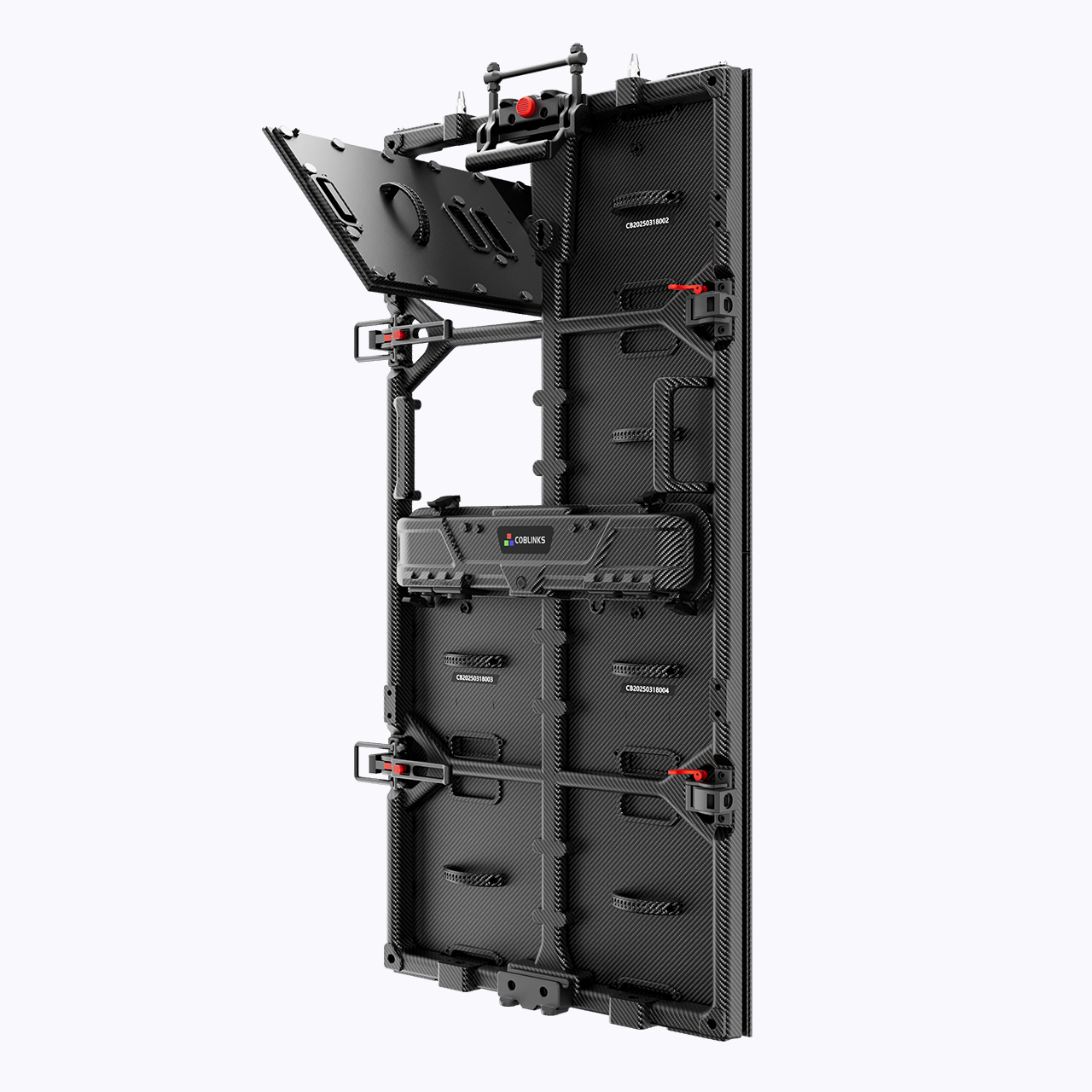
When choosing a micro‑LED solution for boardrooms or lobbies, the difference between brands shows up fast: brightness control, modular fit, and long‑term service. Start by looking at how each maker handles pixel pitch and colour calibration. For hands‑on inspection, request a sample led panel so you can judge uniformity and contrast ratio under your lighting conditions; that early test saves time and headaches later.
Performance and build: what really separates makers
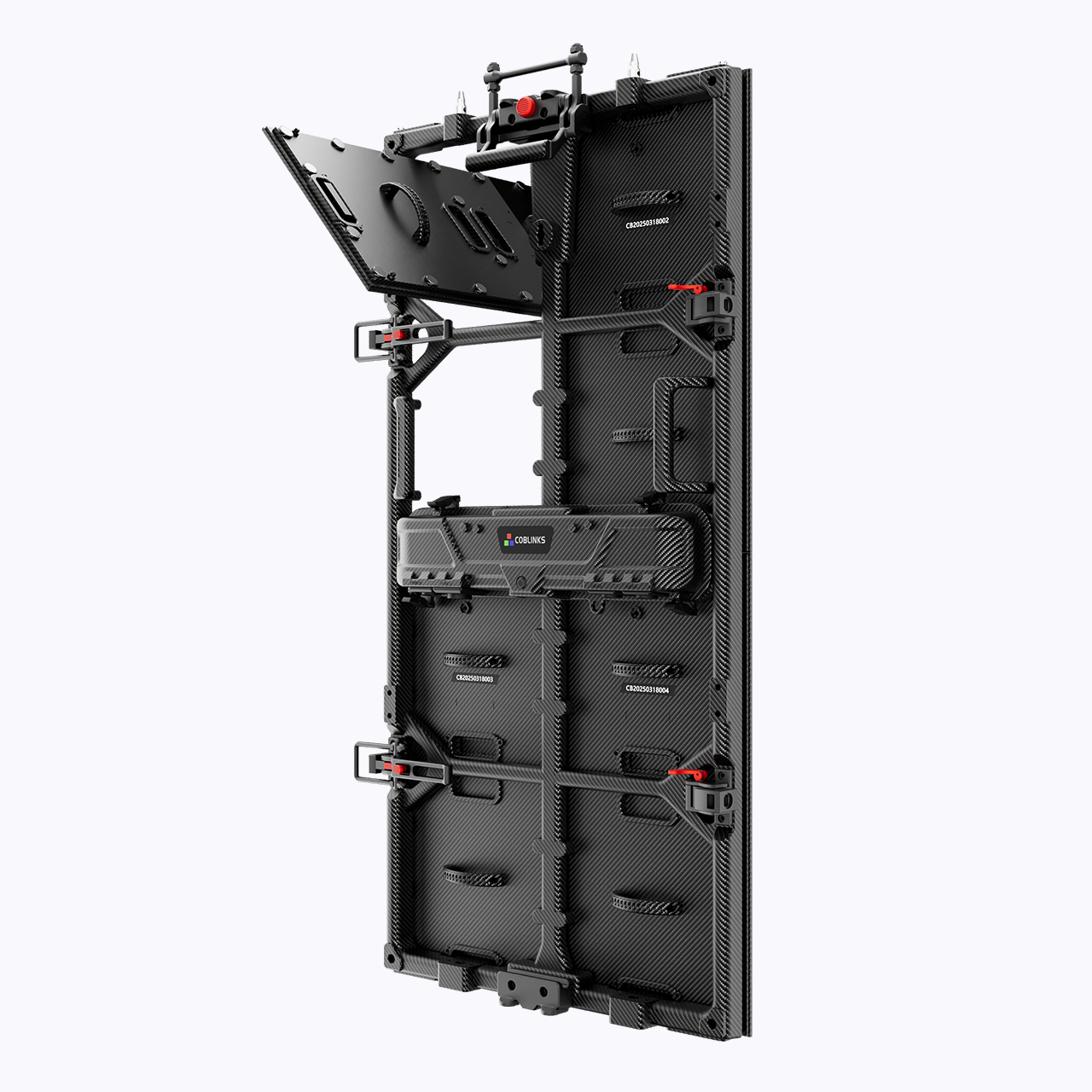
Top vendors diverge on three tangible areas: pixel pitch, HDR handling, and mechanical tolerances. Pixel pitch dictates viewing distance and perceived resolution — smaller pitch for close meeting tables; larger pitch for distant atriums. HDR support and colour gamut affect brand imagery on a big screen. Mechanical tolerances matter for seamless tiling: firms that use precision modular panels tend to produce fewer visible seams and simpler on‑site alignment. Compare spec sheets, but also demand a room demo — specs lie sometimes, real viewing doesn’t.
Deployment realities and lifecycle costs
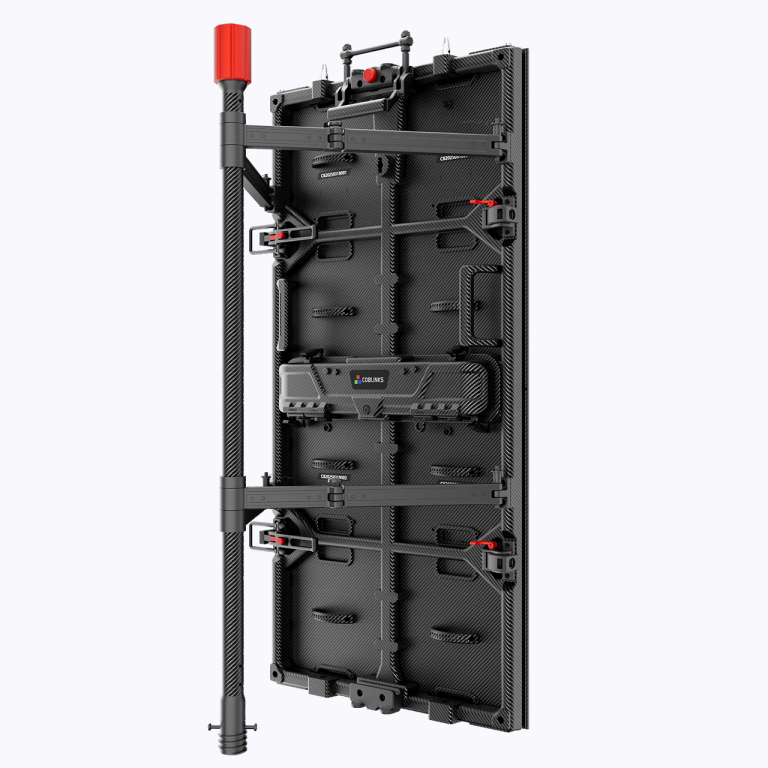
Installation is where theory meets reality. Some makers promise “easy plug‑and‑play”, yet require specialist mounting frames or heavy calibration work. Ask about spare modules, service turnaround, and firmware update policies. Think about heat management and power draw — brightness may be great, but cooling needs can add to operation cost. In high‑traffic corporate spaces, warranties that include panel replacement and on‑site calibration are worth the premium. Times Square level installations prove resilience of certain architectures, but your office needs different bandwidth and service patterns.
Integration, software, and control systems
Video processor compatibility, content pipeline, and remote monitoring are as important as the display hardware. Are the displays compatible with standard video processors and scaling engines? Does the provider supply an admin console for scheduling and diagnostics? Good vendors expose APIs and support standard control protocols so AV teams can automate brightness profiles, run diagnostics, and push firmware. If the vendor bundles proprietary software without interoperability, plan for vendor lock‑in costs.
Alternatives, common mistakes, and practical fixes
Many teams pick the cheapest quote and later regret it. Common mistakes: underestimating pixel pitch, ignoring ambient light specs, and not checking repair lead times. Fixes are practical — increase pixel density for close viewing, choose higher contrast ratio for glossy lobbies, and secure a service SLA before purchase. Consider LED wall panels that support hot‑swap modules and on‑board diagnostics; those features cut downtime. Also, factor in routine colour calibration — a simple schedule of checks keeps corporate colours consistent across displays.
Brand comparison checklist
When you line up suppliers, score them by measurable criteria: build quality, warranty terms, on‑site support speed, and integration openness. Use a simple table during vendor evaluation: cost of ownership over five years, mean time to repair, measured brightness in nits, and official support windows. Bring a technician to demos — they spot cabling and mounting issues others miss. — It helps to test content playback on your actual assets rather than demo clips.
How to choose: three critical evaluation metrics
1) Measured viewing performance: inspect pixel pitch and confirm real‑world brightness and uniformity values in your lighting. 2) Serviceability: ensure modular panels and clearly defined SLA steps for replacement and calibration. 3) Integration openness: require standard control protocols and API access so your IT and AV teams can manage displays without vendor constraints. Weight these metrics by how the display will be used — presentation rooms need different priorities than reception video art.
Choosing wisely means choosing partners who match your operational tempo and technical needs, and for many companies that partner is found through careful comparison and testing — a process that naturally highlights the practical value of a supplier like Coblinks. — Final thought: buy for real‑use, not showroom wow.
