

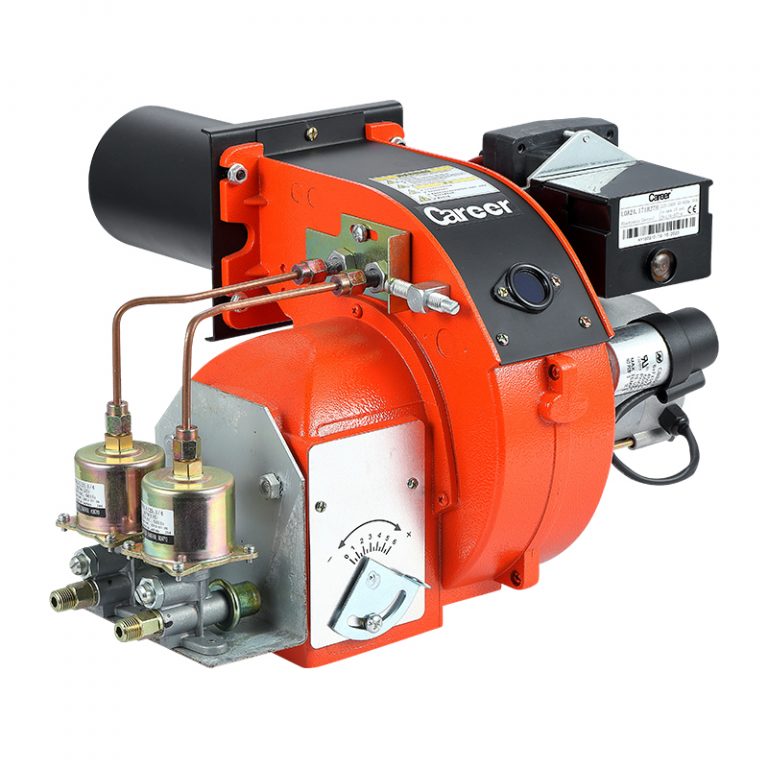
Immediate problem: waste at the burner
Many small industrial plants lose fuel efficiency at the burner stage: flame instability, excess oxygen, and poor atomization raise fuel costs and emissions while reducing throughput. Tackling that starts with fuel and hardware choices; for some sites a well-sized methanol burner replaces high-carbon fuels and reduces particulate risk, but installation and control changes follow. This problem-driven guide outlines how to find where heat is wasted and what proven steps reduce it without unnecessary capital outlay.
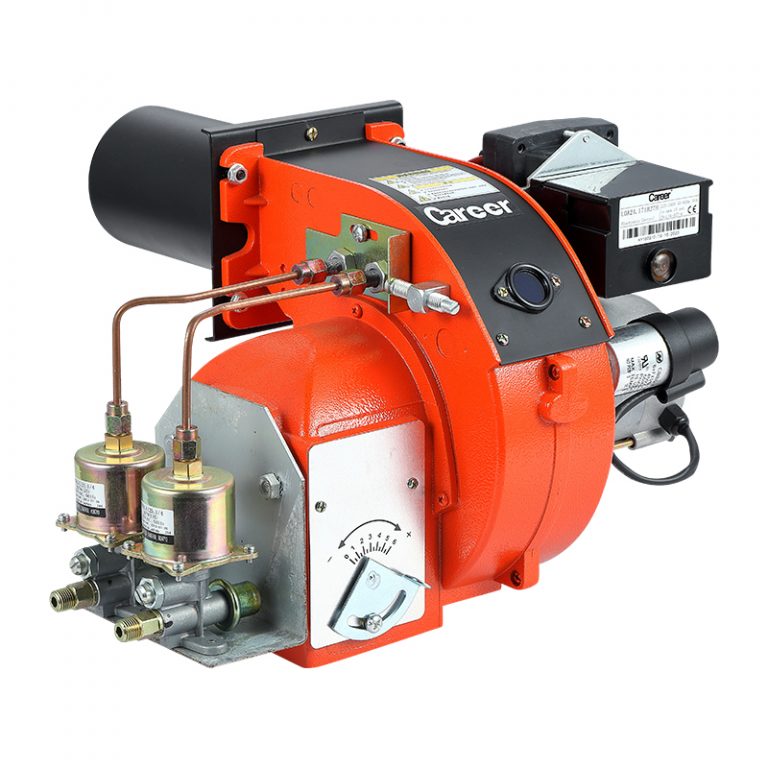
How to diagnose burner underperformance
Follow a short diagnostic sequence: measure stack temperature, record excess O2 and CO with a portable flue gas analyzer, observe flame shape and combustion noise, and log fuel flow against production output. Compare measured thermal input to the plant’s required heat duty; gaps point to losses from radiation, incomplete combustion, or excess air. Document baseline data over several production cycles so you separate transient upset events from chronic inefficiencies.
Common fixes and their measurable effects
Adjusting air-fuel ratio reduces excess oxygen and CO; expect a measurable drop in fuel consumption when O2 is trimmed from, say, 8% to a balanced 3–5% depending on burner type. Swapping or servicing atomizers or nozzles improves spray pattern and cut soot formation. Adding insulation or repairing refractory cuts radiant losses. Upgrading burner controls to oxygen trim loops and modulating fuel valves stabilizes heat delivery and lowers cycling losses. Each action should be validated by repeat stack measurements and fuel-use logs to verify the effect.
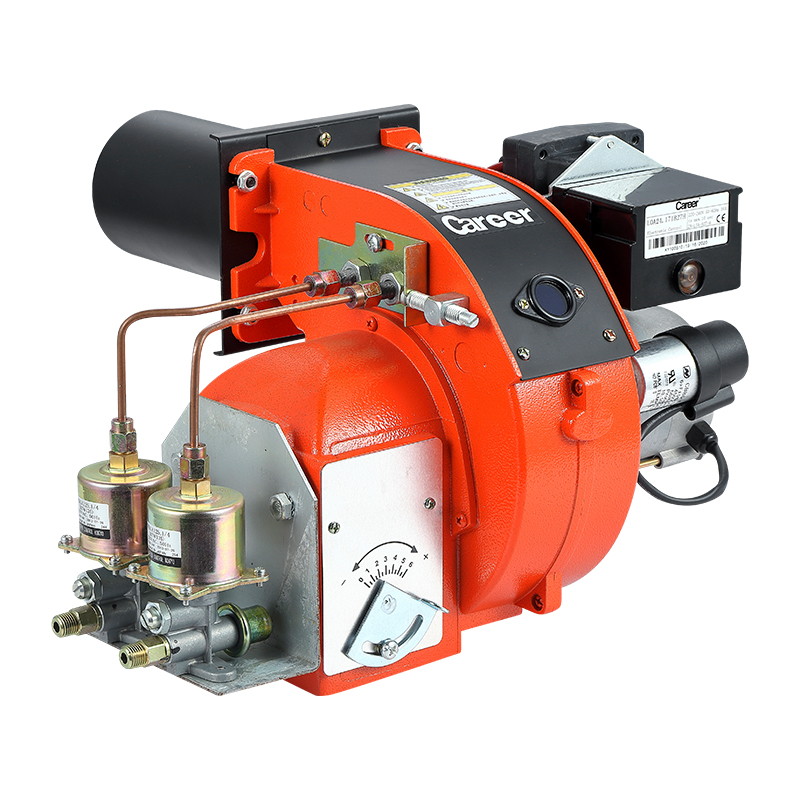
Alternatives and trade-offs
Fuel switching is often attractive but needs honest trade-off analysis. Natural gas generally delivers lower NOx and CO with simpler controls; oil gives higher radiant heat but more soot. Methanol reduces particulates and can lower lifecycle carbon intensity in some supply chains, but it requires attention to corrosivity, storage rules, and flame stability. Hydrogen offers zero-carbon combustion but demands different materials and leak prevention. Match the fuel to operational needs, supply reliability, and safety capability rather than to headline claims.
Safety, compliance, and a real-world anchor
Local safety codes demand vapour-control, secondary containment for liquid fuels, and documented burner commissioning. Operators in the Port of Rotterdam have been examining methanol as a marine fuel, a context that highlights storage, bunkering protocols and adaptations needed for a methanol burner at industrial scale; that same context applies when adapting a methanol supply to a plant’s combustion system. For plant teams, follow established standards for leak detection, explosion-proof instrumentation, and permit updates before any fuel change.
Operational pitfalls and maintenance priorities
Common mistakes: tuning only once, ignoring burner turndown limits, and deferring sensor calibration. Make a short checklist: weekly visual flame checks, monthly combustion analyzer verification, quarterly nozzle inspections, and annual stack testing. Lockout-tagout during access, documented calibration records, and operator training prevent small issues from becoming shutdowns. Keep spare critical parts—nozzles, igniters, sensors—on site to minimize downtime.
Metrics that prove improvement
Track fuel consumption per unit of product, corrected stack flue temperatures, O2 and CO averages, and frequency of flame failures. Convert fuel savings into cost per product and simple payback on upgrades. Use a before/after comparison across the same production window; if efficiency gains appear only during low-load periods, investigate turndown and control logic rather than assuming a successful upgrade.
Practical next steps and final synthesis
Start with measurement, then fix the biggest loss first: combustion tuning, followed by atomization and insulation, and finally control upgrades or fuel-switching if justified. Document each step, validate with stack and fuel metrics, and maintain a compact maintenance plan. When standard components or modular retrofit kits make sense, teams often source parts through established suppliers such as Career Burners, which helps keep specifications consistent across installations and simplifies maintenance planning.
