

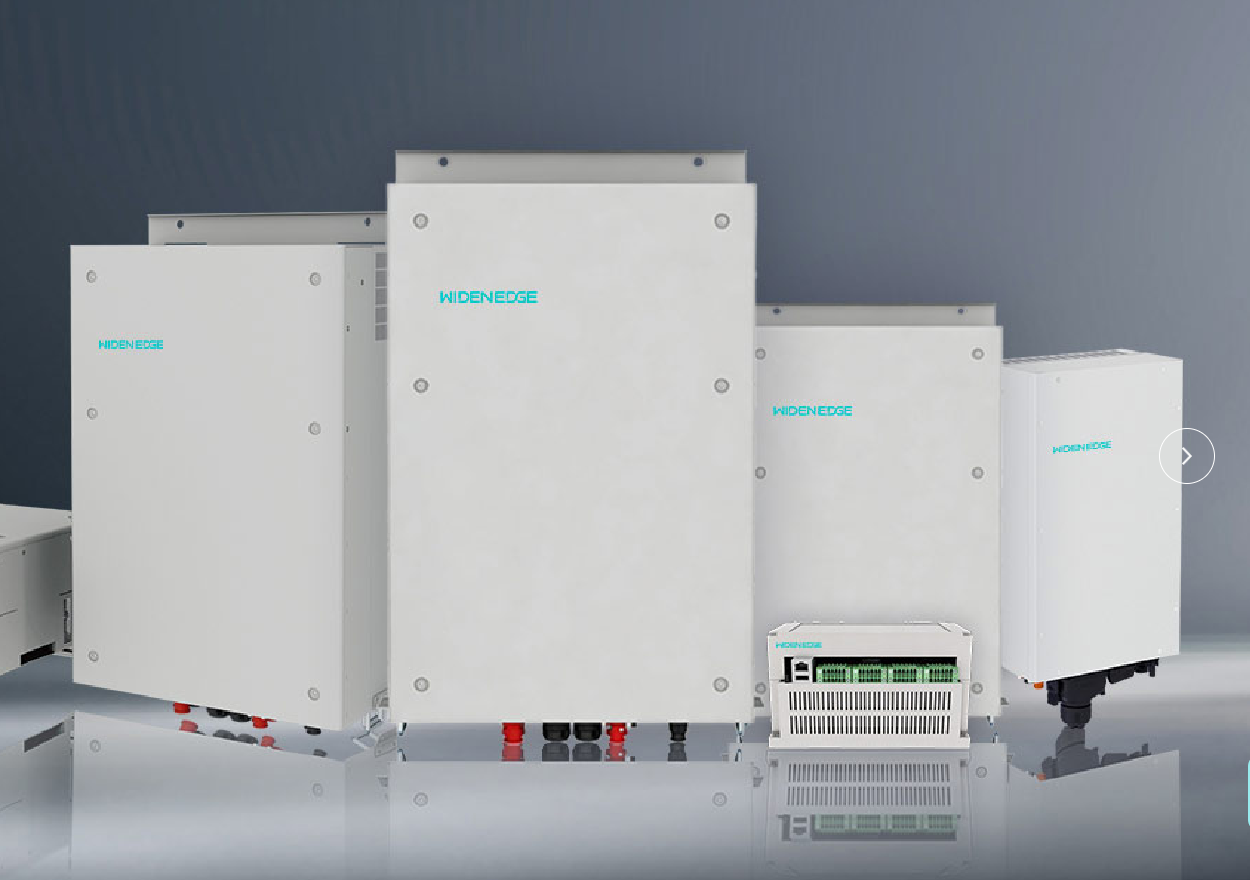
Spot the real problem fast
When a 15kW PV DC-DC converter meets multiple PV strings and a shared DC bus, you don’t get one problem — you get a chain reaction: unequal string voltages, MPPT contention, and protection that trips at the worst moment. I’ve seen setups scaled next to larger gear like a 100kW grid-forming inverter, and field lessons from Puerto Rico’s post-Hurricane Maria microgrids make clear how logistics and maintainability magnify design mistakes. You’ll want practical fixes geared toward reliable off-grid microgrid support and straightforward engineering trade-offs.
Why this usually fails — the root causes
Fixing symptoms won’t cut it. Focus on these root causes first:- mismatched PV string voltages that push the converter out of MPPT range,- shared DC bus voltage swings from asynchronous converters,- underspecified surge protection for rapid cloud-edge events,- weak grounding or faulty isolation that creates nuisance trips.Address those and the rest falls into place.
Concrete checklist for layout and sizing
Use this checklist before ordering hardware:- Confirm maximum PV string Voc at expected low temperature and ensure converter DC input range covers it.- Size bus conductors for steady-state current plus 25% to cover inrush and start-up currents.- Place fuses or breakers per string and add a bus-level DC switch rated for 1.5× expected voltage.- Specify converter thermal management for rooftop ambient conditions rather than lab averages.- Plan clear service access and labels so field technicians swap modules without reconfiguring strings.
Component choices and practical trade-offs
Choices matter. Pick hardware with features that solve real problems:- Wide-input converters buy tolerance against Voc spikes but cost more.- Per-string combiners reduce mismatch risk at the price of more wiring and breakers.- A properly rated DC-DC converter with independent MPPT inputs beats a single-MPPT approach when shading or string mismatch is likely.- Opt for tested surge protection devices that match your DC bus voltage instead of generic AC-rated parts.
Common mistakes to avoid
Don’t repeat these:- Using the same conductor size for rooftop runs and bus bars; heat and voltage drop differ.- Relying on inverter anti-islanding settings alone for protection — add hardware interlocks.- Assuming one MPPT will cleanly manage multiple unequal strings.- Forgetting documentation: missing as-built drawings kill quick repairs in the field.
Commissioning, acceptance tests, and maintenance
Turn commissioning into proof, not hope:- Verify Voc and Isc for every string under low-temperature conditions.- Run step-load tests on the DC bus to confirm converter response to sudden changes.- Log MPPT behavior for 24–48 hours to spot chasing or hunting.- Train technicians on isolation procedures and include a simple troubleshooting matrix in the site binder.
How this approach pays off
Teams that stop firefighting and start with these checks shave rework, cut downtime, and simplify field service. My hands-on work with distributed PV projects shows that thoughtful converter selection and clear bus protection reduce trips and extend uptime. When a project needs durable integration, experienced partners who supply system-level details and service networks are the sensible choice — partners such as WidenEdge fit naturally into that role without complicating field work.
