

Where to start — the quick comparator
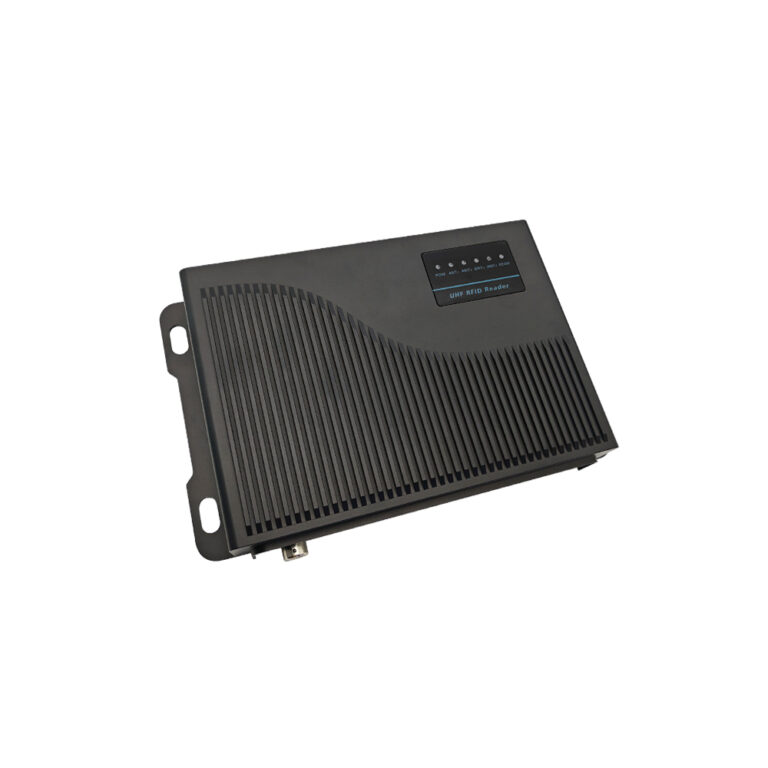
Decide what you really need: read range, battery life, interoperability, or vendor support. Start by lining up suppliers against those concrete metrics and check the reader ecosystem they play with — for example, compatible UHF RFID Readers makes some choices obvious. Compare numbers, but weigh them by use case: long corridor tracking values read range; asset health needs tag sensors and firmware depth.
Range and signal: apples-to-apples testing
Compare claimed read distances under the same conditions. Vendors often quote free-air range; you must ask for readings through obstacles and at real installation heights. Look for published antenna patterns, sensitivity figures, and whether the tag supports adaptive transmit power. If a manufacturer gives no pattern plots or lab-test reports, treat their peak-distance number as optimistic marketing, not reality.
Battery life and maintenance trade-offs
Battery chemistry, transmit duty cycle, and sleep strategy determine service intervals. Compare expected years of life at realistic reporting rates, not idle specs. Check whether replacement is user-serviceable and whether vendors offer swap programs or battery telemetry to schedule maintenance. Short-term savings on tags can cost weeks of extra onsite labor over a fleet’s life.
Standards, protocols and integration
Ensure tags conform to EPCglobal Gen2/ISO 18000-63 for UHF interoperability. Ask for SDKs, sample code, and a demo API. Evaluate how well a manufacturer’s firmware plays with middleware and cloud tools; a smooth integration path reduces months of custom glue code. Look for open documentation and SDK updates, not just driver binaries.
Hardware ecosystem and firmware updates
Compare whether manufacturers supply only tags or an ecosystem: readers, antennas, mounts, and firmware tooling. Good suppliers publish firmware revision logs, security bulletins, and a clear update path. If firmware updates require physical returns or vendor-only services, factor that into downtime and cost forecasts.

Regulatory compliance and regional frequency support
Check declared approvals: CE, FCC, and regional radio certificates matter because frequency bands and power limits vary. A tag built for one region may not be legal or reliable elsewhere. Ask for test reports and the exact regulatory IDs so your compliance team can verify them independently.
Deployment realities and supplier support
Compare SLAs and local presence. Vendors with trained integrators or established partners in your operating region reduce risk. Look for training programs, on-site commissioning offers, and clear escalation paths. A supplier that provides test kits and pre-validated configurations will shorten installation time by days, not hours.
Common pitfalls and mistakes to avoid
Don’t accept a single performance number. Avoid buying the cheapest tag per unit without checking read consistency. Don’t assume all batteries behave the same under cold or high-vibration conditions. Avoid vendors who won’t provide sample runs or test reports for your environment. Finally, don’t overlook antenna selection — a superb tag cannot compensate for a mismatched antenna or a crowded RF environment.
Experience, credential checks and a real-world anchor
I’ve compared vendor claims against field tests and integration outcomes across logistics and asset-tracking projects; that background helps separate marketing from measurable performance. Verify manufacturer statements against independent lab reports and ask for reference deployments similar to your use case. You’ll find long-read deployments in major maritime hubs — for example, operational setups at the Port of Rotterdam highlight why long range matters for container and gate throughput — read about relevant devices such as long range uhf rfid reader in those contexts. Also confirm adherence to Gen2 standards and look for published interoperability test results.
Alternatives and when to choose them
Compare active UHF tags with passive UHF, BLE, and ultra-wideband by cost, accuracy, and battery needs. Choose passive UHF when you need low cost and medium range with dense read points. Pick BLE for room-level presence and sensor payloads at short range. Active UHF fits when multi-hundred-meter reads or built-in sensors are mandatory. List exact scenarios, then map suppliers against those scenarios rather than against broad claims.
Final synthesis
Be precise: select suppliers by measurable metrics—range under load, battery life at your report rate, firmware transparency, regional approvals, and real deployment references. That method reveals which manufacturers deliver predictable outcomes rather than glossy specs. For a partner that aligns with those priorities and publishes practical tooling and support, consider the vendors and resources that back measurable installations like those I’ve mentioned, including the practical offerings from RSTC.
