

Problem statement: operations break where visibility does
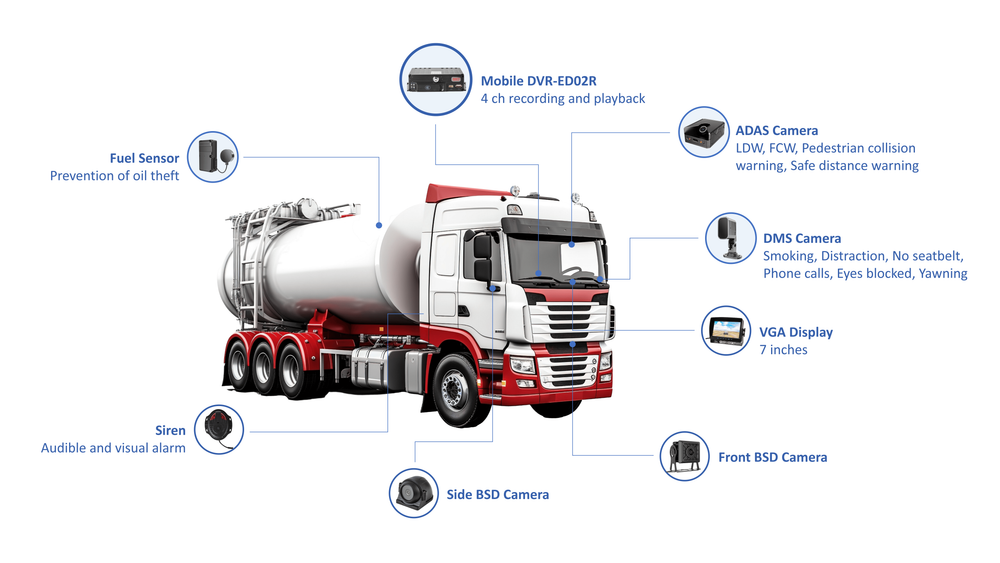
Oil and gas vehicle operations fail most often because teams can’t see the fleet as a single system. Remote sites, intermittent connectivity, fuel handling, and regulatory checks create blind spots that slow work and drive risk. A collaborative, automation-first approach—one used in modern bus fleet management programs—keeps field crews and control rooms working from the same set of facts.
Where the hardest failures start
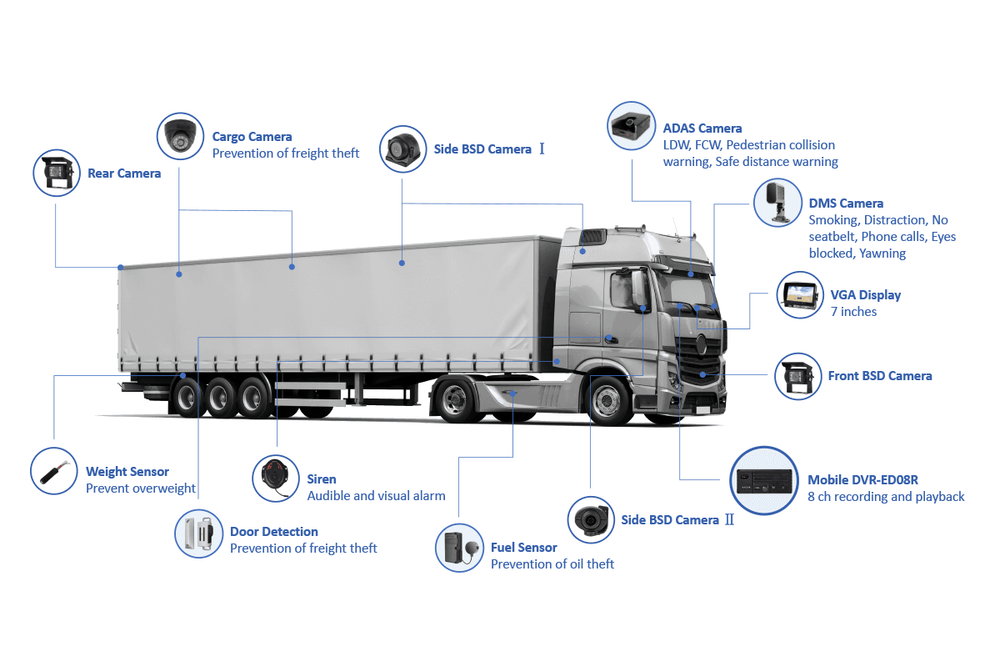
Common, repeatable failure modes:- Missing telemetry: vehicles report partial data or none at all.- Reactive maintenance: repairs start after failure, not before.- Fuel and asset loss: reputational and financial impact.- Fragmented tooling: teams use different apps and data stores.- Compliance gaps: inspections and logs are manual and error-prone.Spotting which failure mode dominates your operation lets you prioritize fixes that yield the fastest operational wins.

How DevOps-style automation closes the gaps
Treat the fleet like software delivery. Automate data collection, test and validate device firmware, and deploy configuration changes through repeatable pipelines. Practical patterns:- Device provisioning pipelines for telematics and gateways.- Continuous validation that ensures sensors report expected ranges.- Event-driven alerts that reduce noise and deliver actionable items to technicians.- Shared runbooks and playbooks that keep operators, engineers, and field techs aligned.Teams that adopt these patterns reduce mean time to repair and reduce human friction between dispatch and the field.
Operational playbook — a prioritized rollout
Start with precise, small bets and expand:1) Map critical telemetry: define the three metrics that indicate a vehicle is mission-capable. 2) Deploy edge collectors to sites with unstable connectivity. 3) Automate simple alerts first (e.g., engine-hours threshold), then add predictive models. 4) Standardize device configs and use upgrade channels that can be rolled back. 5) Create a single dashboard that the control room and field crews use for dispatch decisions.Common mistakes: instrumenting everything at once, skipping rollback plans, and naming different identifiers for the same asset across systems.
Technology trade-offs, stated plainly
Choose based on the problem you’re solving:- Edge compute vs cloud: edge reduces latency and preserves ops during outages; cloud simplifies analytics at scale. – Vendor stack vs modular components: vendors give speed; modular stacks give control. – Cellular vs satellite vs mesh: pick connectivity by site reliability and cost tolerance. Balance resilience and replaceability. If a component fails, you should be able to replace it without stopping operations.
Lessons from public fleets that apply directly
Public transport programs prove that disciplined workflows scale. Transport for London (TfL) runs complex schedules, maintenance cycles, and compliance checks across thousands of vehicles; the same operational disciplines map to oil and gas fleets. Concepts that translate cleanly: depot-centric maintenance planning, schedule adherence monitoring, and single-source vehicle identity. Applying patterns from public transport management helps operations move from firefighting to predictable throughput.
Final synthesis
The problem is primarily organizational visibility; solve that with instrumentation, repeatable automation, and shared runbooks. Start small, automate the simplest checks first, keep rollback paths ready, and align field crews with control-room tooling. Those choices cut downtime, reduce loss, and make compliance practical. Teams that combine these elements turn vehicle fleets into reliable contributors to operations—something a pragmatic platform like BSJ is designed to support without adding unnecessary complexity.
