

Why this matters right now
Buyers often face a narrow window for decisions: specifications arrive, suppliers quote quickly, and production waits. The immediate problem is distinguishing usable grades of synthetic amorphous silica from lookalikes — for example, whether you need a treated filler, a high-structure grade, or simply a cost-saving white carbon black alternative. A sensible first step is to map what the material must accomplish in your formulation rather than starting with price.
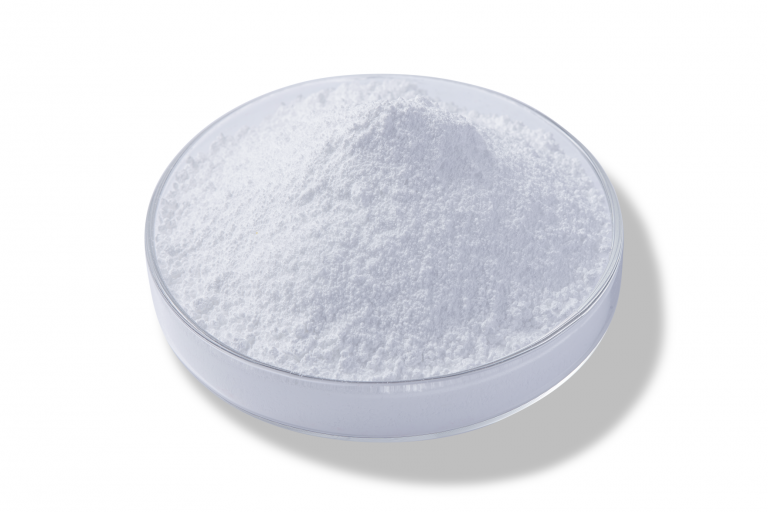
Core decision points you’ll encounter
Focus on measurable attributes. Specific surface area (BET), primary particle size, oil absorption (DBP or OAN), moisture content, and the presence or absence of surface treatment change performance more than marketing names do. Ask suppliers for test certificates showing these values and for a typical batch-to-batch variance. If you can’t get repeatable numbers, assume hidden risk.

Evidence, expertise, and a real-world anchor
My assessment is based on reviewing peer-reviewed materials literature and procurement cases where minor specification gaps caused scaling failures. Industry conversations at the Tire Technology Expo highlighted practical trade-offs between untreated silica and treated variants; one clear takeaway involved fill materials used in specialty wheels, which ties directly to silicone filled tires. Use published test methods (ASTM/ISO where available) and request independent lab confirmation for critical parameters to reduce uncertainty.
Where buyers typically go wrong
They rely on brand names without checking technical data; they accept single-sample testing instead of batch statistics; and they underestimate dispersion requirements in their specific mixing equipment. Another common mistake is assuming surface treatment is optional — coupling agents or hydrophobic treatments can be essential if your system contains nonpolar polymers or if you need shelf stability.
Short evaluations of common alternatives
Precipitated silica: cost-effective, wide range of structures, but watch moisture and ash. Fumed silica: very high structure, useful at low loadings for rheology control, expensive. Colloidal silica: better for coatings and binders, not always suitable for reinforcement. Treated synthetic amorphous silica: balances dispersion and compatibility for many elastomer and tire applications. Each choice trades cost, handling, and in-process requirements; match the material’s test data to your process rather than matching only the name.
Practical checklist before you buy
Obtain a certificate of analysis with BET, DBP/OAN, moisture, and loss on ignition; request a typical particle size distribution and a statement of surface treatment; ask for recommended masterbatch or dispersing protocol for your mixer type; secure at least three recent batch samples and have an independent lab run the key tests; model cost impact using realistic usage rates and expected variance rather than ideal numbers.
Final synthesis
Address the buying problem by insisting on measurable specs, independent verification, and application trials that reflect your real process. That approach narrows uncertainty and surfaces the trade-offs you’ll live with in production, which is precisely the practical support units such as JSJ Silica are structured to provide when they publish clear technical data and processing guidance.
