


The problem buyers face right away
Manufacturers buy robots and conveyor systems thinking they’ll solve production headaches, then find machines that break, software that won’t integrate, or cycle times that never meet spec. This happens a lot with prismatic battery pack assembly line suppliers — you visit a showroom, see glossy demos, then ship a machine to the floor and the real work begins. I’ve reviewed equipment used by factories around Shenzhen and learned the same pattern repeats: specs on paper rarely match daily uptime and maintainability.

Start with what actually must work
List core outcomes first. For prismatic battery pack assembly lines that means: precise cell placement, consistent weld quality, correct torque on torque joints, and safe cell handling. Don’t start with brand names. Ask, measure, prioritize:
– Minimum acceptable cycle time and acceptable variance. – Tolerance band for placement and weld accuracy. – Required uptime percentage and mean time to repair. – Safety stops and fail-safe behavior under power loss. These are non-negotiables. If a vendor can’t state measurable numbers, that’s a red flag.
Inspect hardware and electrical quality
Open panels, look at cable management, check connectors and wire gauges. Reliable machines use labeled harnesses and service-friendly layouts. Ask for MTBF or mean time between failures for major components like PLC, drives, and vision cameras. Confirm parts are standard — proprietary spares add cost and downtime.
Check software and integration readiness
Automation quality depends on software. Demand clear communication protocols, default recipes for different pack types, and versioned PLC code with comments. Test the HMI for clarity. If you have MES or ERP, run a mock integration. Poor software equals repeated onsite fixes.
Run real tests, not demo cycles
Product demos are staged. Insist on a FAT (Factory Acceptance Test) using your real materials and a SAT (Site Acceptance Test) after installation. During FAT, include long-run tests to reveal thermal drift, adhesive curing issues, or vision false-positives. Ask the vendor to simulate line stops and recovery. If the line handles prismatic battery pack assembly line loads without frequent resets, that’s meaningful.
Warranty, spare parts, and service structure
Short warranties hide risk. Get explicit coverage periods for mechanical wear, electronics, and software. Verify spare parts lead times and minimum stock levels. Confirm local or regional service — remote support helps, but someone must be able to replace a drive within 48 hours. Know who trains your technicians and whether training materials are version-controlled.
Operational metrics and acceptance criteria
Define acceptance as measurable outcomes: average throughput, first-pass yield, and maximum allowable downtime per shift. Include sampling plans for weld strength and electrical continuity. These acceptance criteria prevent post-installation disputes and keep suppliers accountable.
Common mistakes buyers make
– Buying to lowest price instead of defined outcomes. – Accepting vendor demo data without an independent test using your parts. – Neglecting spare parts strategy. – Missing software ownership clauses (who owns the PLC code or HMI screens?). Avoid these to save months of rework.
Alternatives to buying new equipment
If full automation costs too much, consider retrofit kits, modular stations, or partnering with contract manufacturers who already run similar lines. Each choice trades capital expense for flexibility or lead-time. Weigh total cost of ownership over at least three production years.
How to score vendors quickly
Use a simple checklist with weighted scores: performance (30%), uptime and service (25%), software and integration (20%), parts and warranty (15%), and references plus documentation (10%). Ask vendors for two customer references running the exact process you need and verify them.
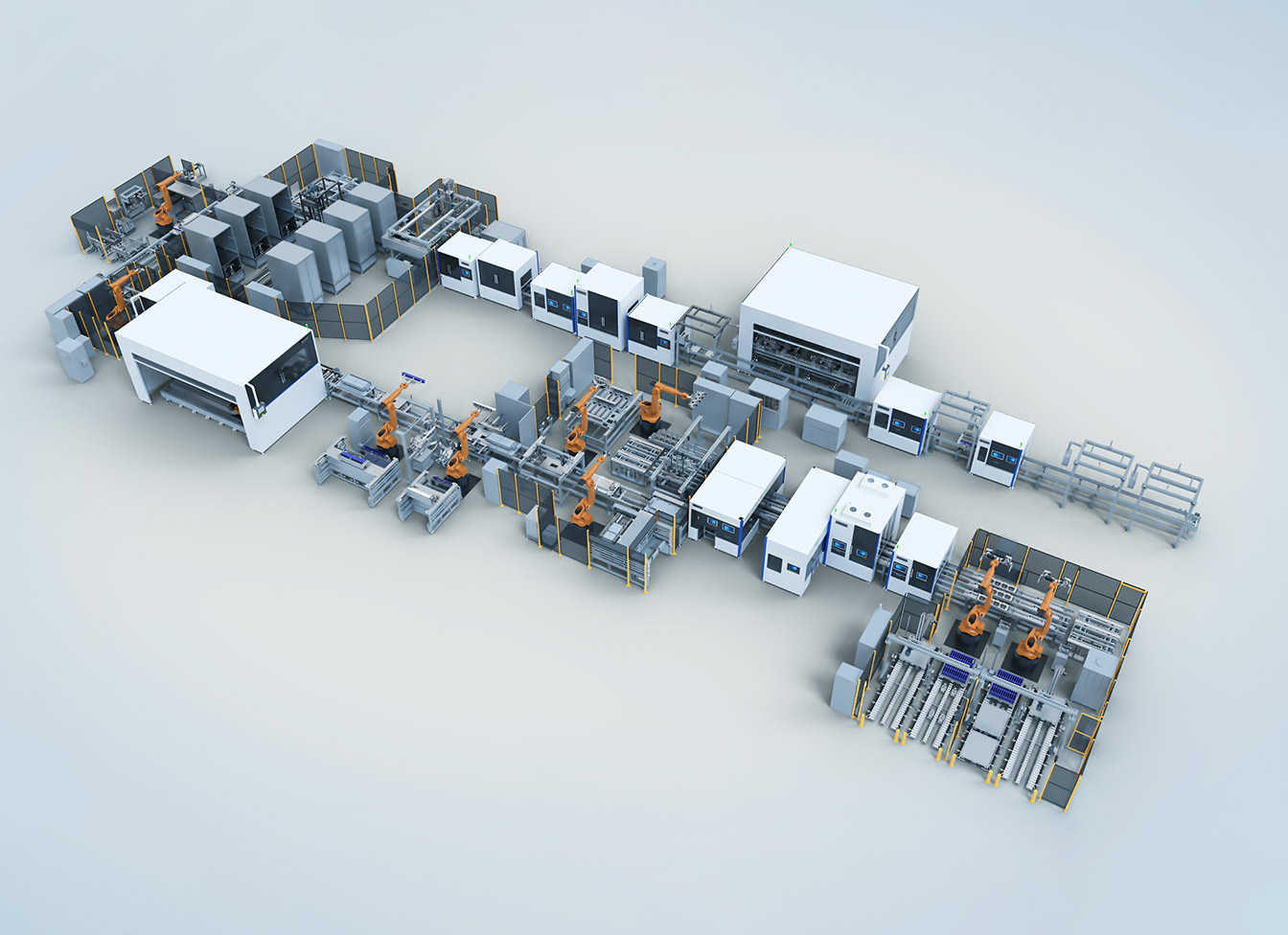
Final synthesis
Start with measurable outcomes, force real-material tests, and lock acceptance to specific metrics. Protect yourself with clear service terms and spare parts plans. Do this and you keep spending predictable and avoid surprises—practical steps that match what experienced buyers expect from a trusted partner like FHS.
