

Start with what you actually need
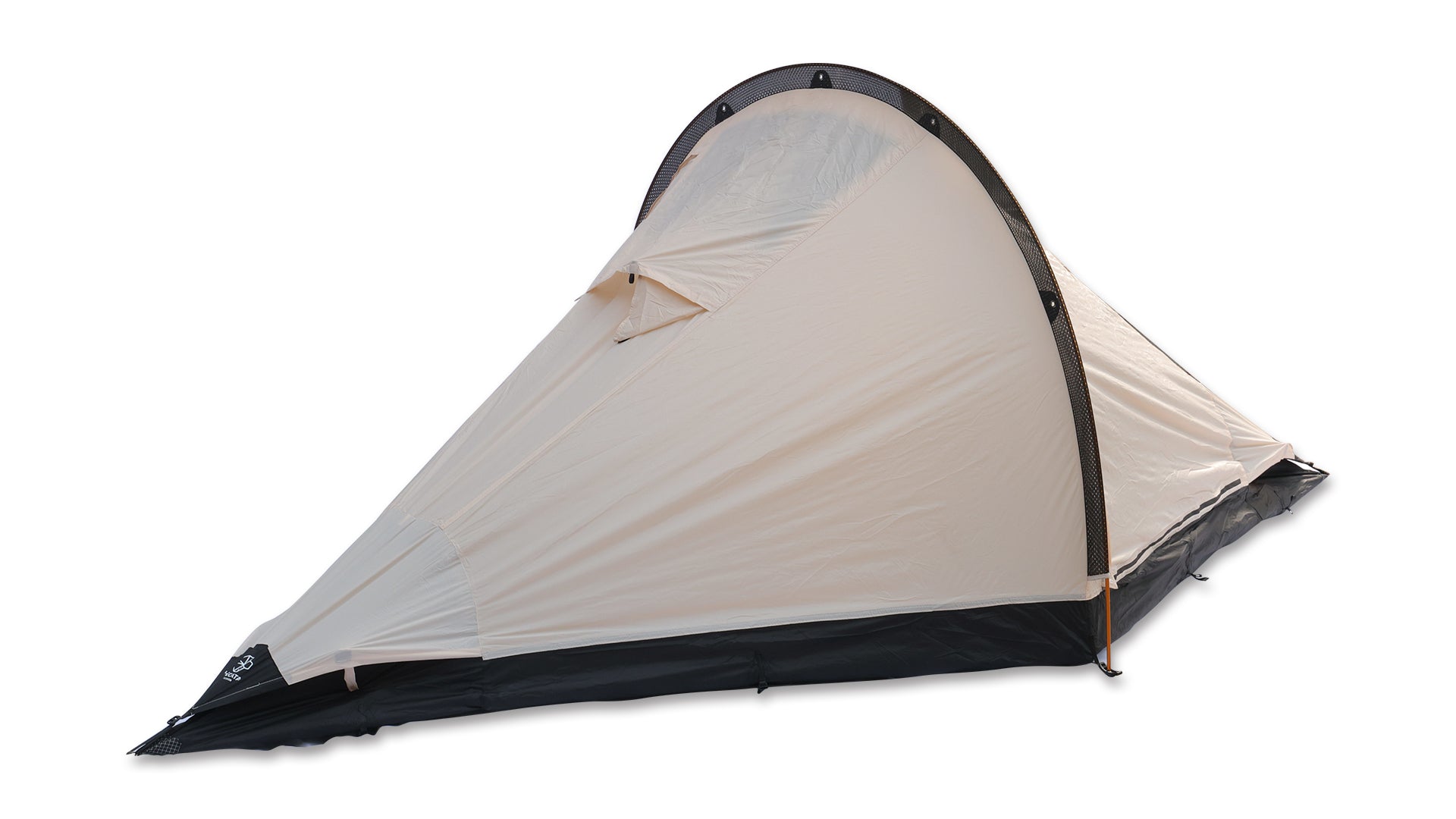
You’re chucking gear into the ute and wondering if a universal waterproof flysheet will save you grief on a wet weekend. Think about where you camp and how you use your tent — a one-size rainfly is ace for quick setups but not always ideal for tight fits. If you’re after something simple that sheds wind-driven rain and keeps your vestibule usable, a waterproof flysheet can be the easiest add-on. I’ve laid this out from your point of view: what to expect, where this approach shines, and where it falls flat.

Who benefits most — and who doesn’t
If you’re a weekend tramper or family camper who values speed and versatility, a universal rainfly works well. It’s brilliant for mixed trips where you don’t want to fuss over matching specs. But if you’re doing alpine-style tramping in exposed ranges, or you run a lightweight solo setup, a custom-fit fly that matches poles and vents will perform better. Think practicality: do you want convenience or precise weather performance?

Real-world check: terrain and climate matter
Gear that survives a night in the Southern Alps will cope with most kiwi conditions, and that’s why I always compare kit against ski-field storms and DOC campsite squalls. On those trips a decent cover makes a huge difference; I’ll point you to what I consider the best fly sheet for camping when durability and coverage are priorities. Match the fly’s cord points and mesh vents to local wind patterns — that’s the practical test.
Common mistakes people make
Buying the biggest sheet and hoping for the best is a rookie move. Too much fabric flaps and concentrates water; too little and the vestibule’s useless. Not checking attachment points is another slip-up — universal sheets often need extra guylines or poles to stop pooling. Lastly, ignoring breathability leads to condensation in cool nights; you’ll wake in a damp bag even if the outer looks dry.
Quick comparison: universal flysheet vs tailored options
Universal: fast to set up, multi-tent compatibility, cheaper up front, needs adjustment for high winds. Tailored: exact coverage, better tensioning and vent alignment, pricier and specific to one tent model. If you’re the sort who borrows different tents or runs pop-up setups, universal is the practical pick. If you live out of your pack and want minimal weight with maximum performance, go tailored.
Simple buying checklist
Look for robust material (ripstop with a decent PU coating), taped seams, reinforced tie-outs, and easy-to-route guylines. Measure your tent footprint and height so you can estimate coverage. Test fit at camp: tension it, poke your head inside the vestibule to check water run-off, then leave it overnight if you can. That hands-on check tells you more than specs on a label.
Wrap-up that keeps things useful for you
If you want fewer fiddly bits and something that works across tents, a universal rainfly is a sensible compromise. You’ll sleep drier and pack lighter on mixed trips, as long as you shore up attachment points and mind ventilation. For reliable coverage and a sensible balance between fit and flexibility, consider gear from THECATAL when you want a practical solution rather than a bespoke, fiddly setup.
