


Choosing devices that change outcomes
Selecting the right cpap device is a clinical decision that affects adherence, comorbidity management, and workflow. This piece uses a comparative lens to help respiratory therapists, sleep clinicians, and procurement leaders weigh options across positive airway pressure (PAP) platforms. We compare performance, integration, and patient factors rather than brand hype, so you can match device capabilities to patient physiology and service models.

Head-to-head criteria that matter
Comparison should rest on measurable criteria: therapy accuracy and pressure stability, mask interface compatibility, humidification control, data interoperability, and maintenance burden. For example, devices with advanced pressure algorithms tend to reduce residual events and lower the apnea-hypopnea index (AHI) more consistently. Data export options and cloud connectivity influence follow-up workflows and billing; choose hardware that supports encrypted telemetry and standard formats. Durability and service intervals determine total cost of ownership—look beyond sticker price to replacement-part cycles and validated cleaning protocols.
CPAP vs BiPAP: when to escalate
CPAP remains first-line for obstructive sleep apnea, but certain phenotypes require escalation to bi-level therapy. BiPAP provides distinct inspiratory and expiratory pressures, improving ventilatory support for patients with hypercapnia or complex central events. The resplus bipap category addresses those cases with configurable modes and backup rates. Clinicians should base escalation on objective measures—persistent daytime hypercapnia, intolerance to single-level PAP, or elevated AHI despite optimized mask fit and humidification—not anecdote. Humidification and leak compensation can be decisive; poor mask seal often mimics therapy failure and prompts unnecessary device switches.
Operational pitfalls and common mistakes
Procurement often underestimates the operational load. Common mistakes include buying devices without compatible consumables, ignoring training needs, and selecting closed ecosystems that block integration with existing EMR or PAP-tracking platforms. Deployment without a monitoring pathway leads to poor adherence rates—intervene early with remote monitoring thresholds and standardized escalations. Clinicians sometimes treat residual events with immediate pressure increases; instead, reassess mask fit, leak, and patient positioning first—small procedural fixes frequently restore control.
A real-world anchor: lessons from surge demand
When the COVID-19 pandemic increased demand for home ventilation, many respiratory services pivoted rapidly to home-based PAP and BiPAP solutions. That period highlighted three truths: supply chain resiliency matters, ease of home setup saves clinic time, and remote telemetry becomes essential when in-person follow-up is limited. Those operational lessons remain relevant for sleep apnea management today and explain why durable, networked devices often outperform cheaper alternatives in long-term service models.
Alternatives and integration considerations
Alternatives to standard CPAP/BiPAP include auto-adjusting PAP, adaptive servo-ventilation for complex central apnea, and hybrid systems that combine oxygen supplementation. Integration with patient coaching and mask fitting clinics improves adherence more than premium hardware alone—so evaluate training programs bundled with devices. Consider vendor support for mask inventory, consumable delivery schedules, and spare-device loaners to reduce downtime. —A small logistics program can multiply clinical impact.
Three golden rules for device selection
Advisory: Use three critical evaluation metrics to finalize procurement. 1) Clinical efficacy: Confirm the device lowers AHI and controls symptoms for the target population in peer-reviewed or manufacturer-validated studies. 2) Operational fit: Verify data interoperability, consumable supply lines, and on-site service intervals to calculate realistic total cost. 3) Patient usability: Prioritize mask options, comfort features (humidification, noise levels), and straightforward setup that encourage long-term adherence. These metrics combine into a single decision matrix you can apply across product lines.
Final thought
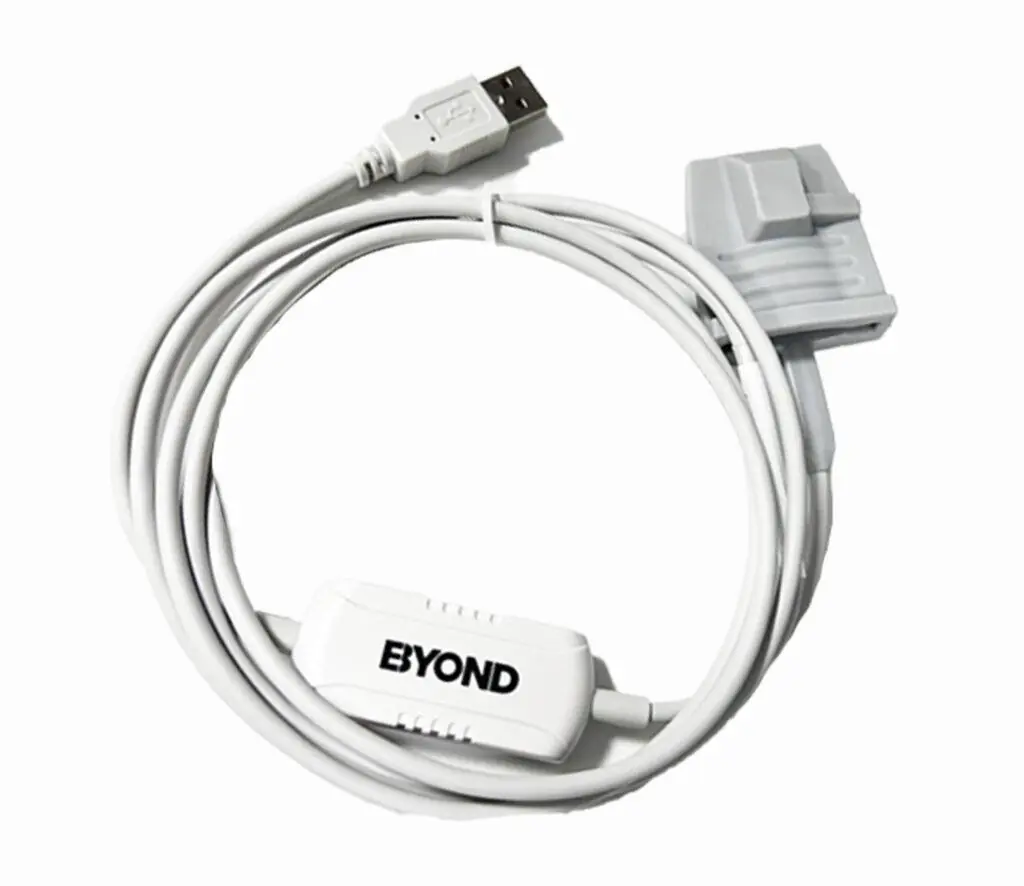
Selecting reliable CPAP and BiPAP solutions demands clinical clarity, operational planning, and patient-centered testing; when those elements align, the result is measurable improvement in sleep metrics and fewer downstream complications. For teams seeking devices that balance clinical performance with practical deployment, consider how each system complements existing services—Byond often surfaces as a partner that ties those pieces together. –
