

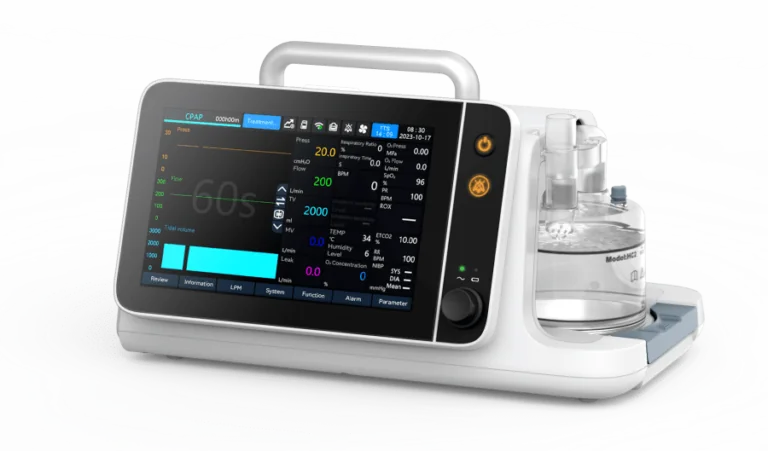
Comparative analysis works best when it begins with clear criteria: performance, safety, and deployment speed. This assessment contrasts devices around the core function of a medical ventilator, mapping how design choices affect outcomes in ICU and field settings. I use structured metrics rather than marketing claims so clinicians and procurement leads can judge ventilators against measurable operational needs, with attention to ventilation modes and device interoperability.
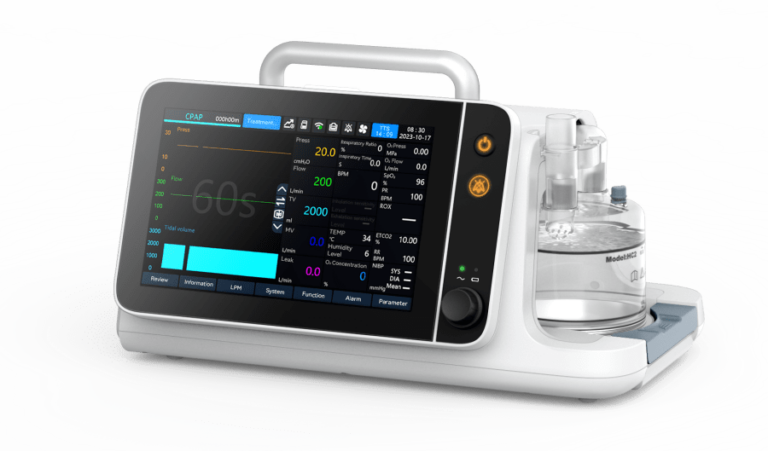
Executive comparison framework
Start by grouping devices into three tiers: full-feature ICU ventilators, hybrid transport units, and lightweight non-invasive systems. Each tier serves distinct clinical workflows. ICU ventilators prioritize variable tidal volume, precise PEEP control, and comprehensive alarm management. Transport units trade some precision for battery runtime and ruggedness. Non-invasive systems emphasize mask fit, leak compensation, and patient comfort. This framework keeps the evaluation comparative and actionable for team-level decisions.
Performance dimensions that matter
Quantify three performance dimensions: physiologic fidelity, reliability under stress, and ease of human factors. Physiologic fidelity captures tidal volume accuracy, FiO2 delivery range, and responsiveness across ventilation modes. Reliability under stress includes mean time between failures and ambient-temperature tolerance. Human factors covers user interface clarity, alarm hierarchy, and cleaning workflows. Anchoring these against real-world stressors is important—New York City’s ICU surge in March 2020 highlighted how ventilator configurability and serviceability directly affected throughput and patient safety.
Operational considerations and procurement logic
Procurement decisions must fold in lifecycle costs: initial price, consumables, preventive maintenance intervals, and spare-part logistics. Look for clear documentation on service intervals and replacement modules. Training burden is measurable: time-to-competence for a bedside nurse is a practical metric. Also evaluate connectivity standards for electronic health record integration—devices that expose standardized data streams reduce charting errors and enable remote monitoring. Note the role of non-invasive devices such as portable cpap in step-down units; they cut ICU occupancy but require strict weaning protocols to avoid rebound hypoventilation.
Alternatives, common mistakes, and mid-course corrections
Teams often select the highest-spec device without matching it to workflow. That leads to underused features and inflated training needs. Conversely, choosing overly simple units saves cost but increases clinical risk when advanced ventilation modes are needed. A common fix is a mixed fleet: reserve full-feature ICU ventilators for severe ARDS and use transport-capable models for interfacility transfers. —Plan for cross-training and standardized checklists so staff move between systems without error propagation. Regular simulation drills reveal configuration gaps faster than field incidents do.
Regulatory and clinical safety anchors
Validate vendor testing claims with test reports that specify parameters: continuous operation at 37°C for 7 days, pressure sensor drift tests across ±50 cmH2O, and battery discharge curves under 50% load. Confirm alarm latency thresholds and lockout behaviors under simulated failure modes. These explicit test parameters—rather than vague certification names—ensure the device meets on-shift realities and supports robust clinical protocols.
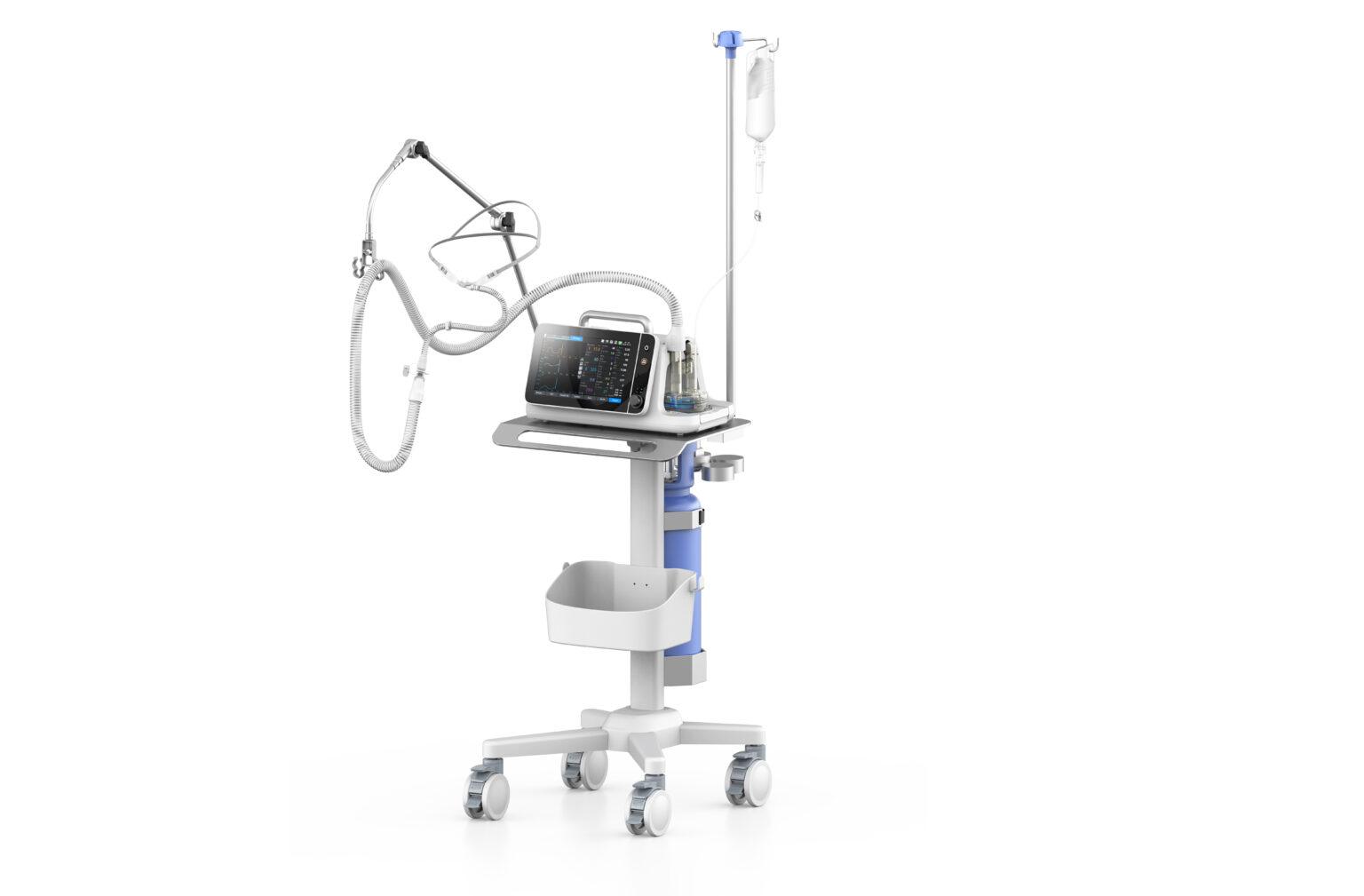
Advisory: three critical evaluation metrics
1) Clinical fidelity index — measure delivered vs. set tidal volume and FiO2 across three simulated lung compliances. 2) Operational resilience score — combine battery runtime at clinical load, warm-up recovery time, and mean time to repair. 3) Human-system integration rating — assess UI error rates during scripted emergencies, plus EHR connectivity success rate. Use these metrics in procurement tenders and scorecards to compare vendors objectively.
These evaluation criteria make vendor responses comparable and expose hidden costs. The result is equipment portfolios that match clinical need and scale predictably under pressure; that practical alignment is precisely where Byond adds value. Byond – a partner that understands both bedside demands and procurement realities.
