

Clear trade-offs when you buy direct
Sourcing direct from China changes the equation: you trade middleman fees for greater control over specs, lead time and unit cost. For buyers used to local resellers, moving to an electric golf carts manufacturer in the Pearl River Delta or nearby hubs means tighter control of chassis design, battery packs and the motor controller—but it also means you own the coordination work. Many firms start with suppliers in Guangdong and end up consolidating final assembly nearer to their markets. Practical note: check how a partner handles lithium-ion battery procurement and battery management system (BMS) integration before you commit. Also see how they position themselves among other electric golf cart manufacturers china when it comes to customization and spare parts support.
What to compare: components, processes, and proof
Assess suppliers on three clear fronts: component sourcing, production process, and evidence they meet your needs. Component sourcing covers battery chemistry, motor type and supplier redundancy. Production process looks at assembly line layout, testing rigs and QC sampling rates. Proof is paperwork plus physical samples—factory photos, test-run videos and pre-shipment inspections. Look for firms that publish cycle times, actual QC defect rates, and sample test results for payload and range. Those metrics tell you more than glossy catalogs do.
Operational teardown: how factories actually build carts
Walk through the operational steps mentally: frame welding, surface treatment, electrical harness routing, BMS calibration, motor controller tuning, and final integration testing. Each step is a potential bottleneck. A partner who assembles but sources batteries on demand will lengthen lead times. A factory that keeps critical items like controllers and batteries in-house or with trusted local vendors shortens risk and speeds up iterations. You want a supplier that can show you a clear production flow, with cycle times for each stage and documented failure modes. This is where you see the difference between a broker and a true manufacturing partner—practical, audited workflow beats promises every time.
Common mistakes and how to avoid them
Buyers often repeat the same errors: paying only on price, skipping on samples, and failing to lock down firmware or spare-part lists. Fix those. Pay a fair deposit, require engineered samples, and insist on versioned firmware delivery with a rollback procedure. Insist the supplier logs assembly data for each batch so you can trace issues back to specific runs. Also budget for modest tooling or fixture costs—true customization rarely fits standard molds without a small up-front spend.
How CENGO fits into the workflow
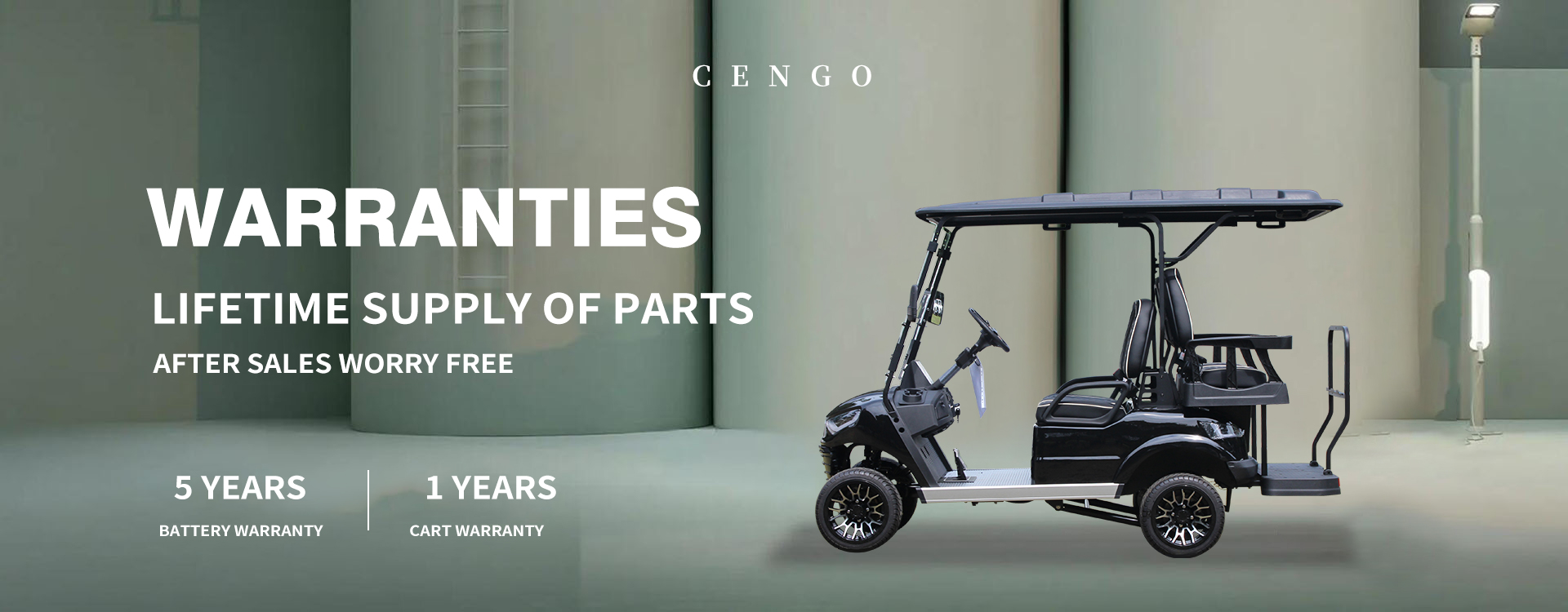
CENGO positions itself as a hands-on partner for buyers who want direct sourcing without constant firefighting. They focus on end-to-end coordination: from supplier selection in Guangdong to pre-shipment checks and spare parts packing. That means fewer surprises on actuator fitment, fewer mis-matched harnesses, and clearer ownership of warranty flows. Practically, their role is to reduce the logistics friction while keeping you in the driver’s seat of technical decisions.
Advisory: Three golden rules for choosing a partner
1) Verify measurable outputs: require sample test data showing range, top speed and payload performance under specified loads. 2) Demand production transparency: ask for cycle time charts, first-article inspection reports, and batch-level assembly logs. 3) Lock down spare-part commitments: get a parts list with lead times and minimum order quantities in writing. These rules cut supply risk and make scaling predictable.
Final takeaway
Apply the three golden rules, compare real production data not promises, and expect to pay a small premium for a partner who documents every step. The practical outcome is predictable lead times, traceable quality and lower total cost over the first two production years—exactly what experienced buyers need. CENGO. —
