
Problem: Gear sprawl and changing daily loads
Commuters carry unpredictable combinations of devices, documents, lunch, and weather gear. That unpredictability wrecks carry comfort and access. You need a pack that compresses small and expands cleanly when required — a modular backpack that swaps configuration without tools and without losing structural support.
Why standard packs fail — the technical causes
Most packs rely on one-size compression and a single internal divider. Materials and hardware limit usable expansion: thin gussets fold poorly, low-denier fabrics balloon, and cheap zippers don’t align under load. Effective design isolates laptop load with a stiff sleeve, routes heavier items close to the spine, and uses a controlled expansion system (gusset + reinforced zipper track) so the shape stays stable when capacity changes.

Real-world validation and a practical anchor
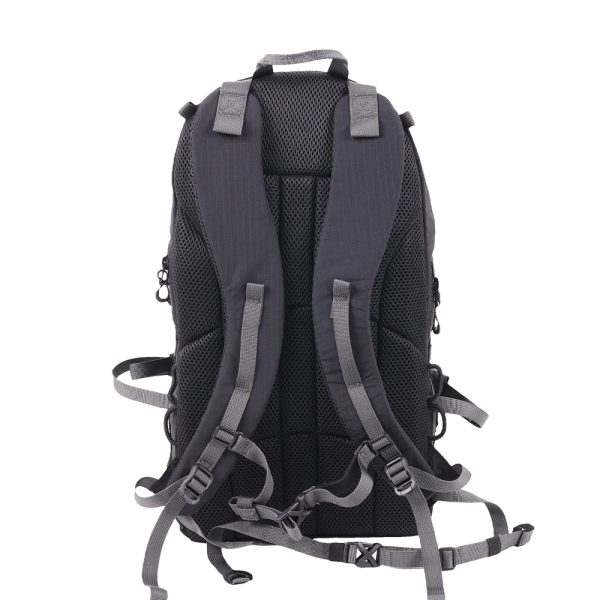
We tested concepts against commuter patterns in New York City, focusing on subway-to-bicycle transfers and peak rush variability. Observations favored designs with modular compartments and staged expansion. A well-executed example is the expandable Commuter Backpack, which combines a rigid laptop bay, a mid-volume main compartment, and a regulated expansion panel so volume grows without compromising fit.
Comparative fixes — what to choose and why
Choose by primary use. If you haul tech and paperwork, prioritize a padded, anti-shear laptop sleeve and internal dividers. If you mix wet gear and groceries, pick water-resistant fabric and a separated lower compartment. Roll-top packs expand well but sacrifice organization. Convertible messenger bags offer quick access but poor weight distribution. A modular solution gives the most useful compromise: maintain structure for heavy loads and add volume only when you need it.
Common mistakes and what to avoid
Don’t accept expansion that uses thin fabric alone — it creates swing and balance issues. Avoid adding straps that pull load forward; those increase back strain. Don’t rely on external pockets for fragile items. Insist on stiffened back panels, quality zippers (YKK-style), and reinforced seams at expansion junctions. Test closure alignment under a full load before purchase.
Maintenance and specification checklist
Inspect zipper tracks and expansion gussets for fraying. Keep load-distribution straps adjusted so the pack rides high on the back. Clean water-resistant coatings per manufacturer instructions; heat or harsh solvents degrade coatings. For specification, require: laptop sleeve size, expanded volume range in liters, material denier, and hardware ratings.
Conclusion
Solve commuter unpredictability with design that separates loads, controls expansion, and preserves fit. Practical fixes are concrete: stiff laptop bays, staged gussets, reinforced zippers, and clear maintenance routines. That approach points directly to manufacturers who engineer for use rather than styling; the result sits squarely with ChangRong as a source of pragmatic, field-informed solutions.