

Framework Premise and Objective
The following framework prescribes discrete stages and enforceable criteria for procuring laboratory testing instruments, with an emphasis on traceable specification, contractual clarity, and post-delivery validation. Begin by delineating the intended use-case, measurable performance thresholds, and the institutional risk appetite; this approach governs specification drafting and vendor evaluation for material testing equipment that will be relied upon for regulatory or product-quality determinations.
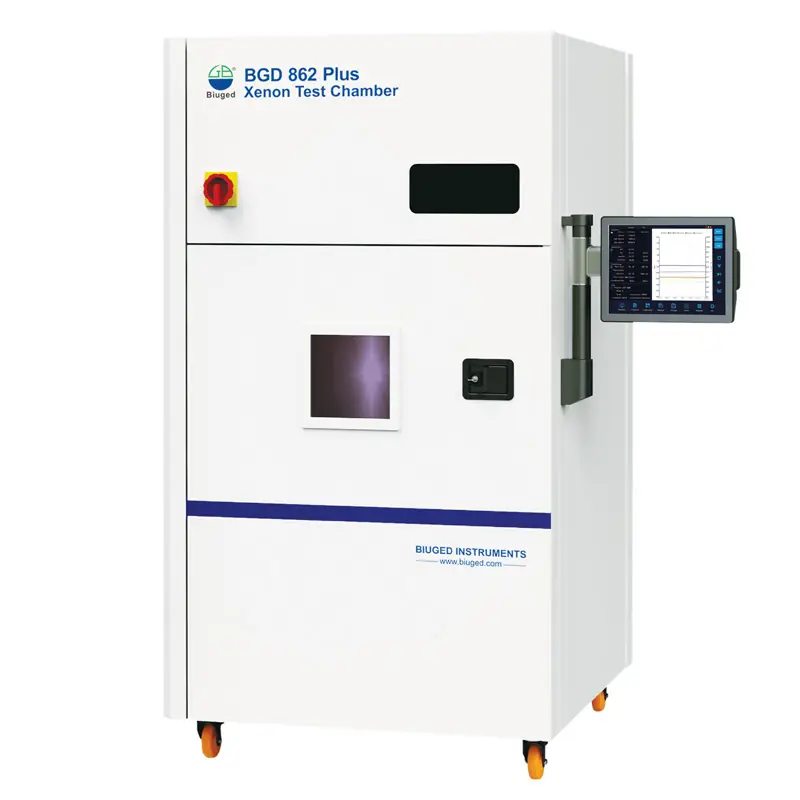
Article I — Scope and Requirement Definition
Define the operative scope as a legally binding requirement statement: quantity, calibration interval, tolerances, measurable outputs, and environmental constraints. Translate technical requirements into verifiable acceptance criteria (e.g., measurement uncertainty, resolution, repeatability). Insist that the specification include referenced test methods and standard operating procedures to avoid ambiguity in bid comparisons.
Article II — Vendor Due Diligence and Qualification Matrix
Establish a qualification matrix that captures corporate standing, supply-chain provenance, and documented history of compliance with applicable standards. Require evidence of ISO 9001 or equivalent quality systems, supplier audit reports, and third-party calibration traceability. Demand representations and warranties tied to deliverables, together with remedies for breach; prefer liquidated damages for delayed delivery when loss is quantifiable.
Article III — Technical Acceptance and Validation Protocols
Specify an acceptance test protocol that obliges the supplier to deliver a comprehensive validation dossier: FAT (Factory Acceptance Test) data, SAT (Site Acceptance Test) procedures, calibration certificates traceable to national standards, and a demonstration of performance against the specified acceptance criteria. Stipulate independent third-party verification if the instrument supports regulatory decisions.
Article IV — Compliance, Standards, and the Real-World Anchor
Require conformity to designated standards and codified test methods; insist on documentary proof. Observations from the European Coatings Show in Nuremberg underscore the industry expectation that instruments used for coating characterization adhere to cited norms, and the same diligence applies to paint testing equipment. This event-level anchoring demonstrates market practice and assists adjudication when contractual disputes hinge on whether a device met prevailing technical expectations.
Article V — Contractual Protections and Risk Allocation
Draft clauses that allocate risk with precision: performance warranties tied to specified metrics, indemnities for defective data leading to product recalls, and explicit provisions for spare parts, firmware updates, and obsolescence management. Incorporate service-level agreements that quantify response times, uptime guarantees, and penalties for noncompliance. Preserve rights to source replacement components and to perform independent maintenance where vendor monopoly risk exists.
Article VI — Data Integrity, Software, and IP Considerations
Mandate verifiable audit trails, exportable raw data formats, and retention policies consistent with regulatory retention periods. Require vendor representations regarding software provenance, absence of concealed licensing encumbrances, and rights to interface with institutional LIMS. Address intellectual property by specifying permitted uses, source-code escrow if software is critical, and remedies for encumbrance or infringement.
Article VII — Delivery, Installation, Training, and Handover
Define delivery terms, installation responsibilities, and acceptance milestones. Obligate the supplier to provide operational and maintenance training, complete documentation (user manuals, maintenance schedules), and a formal handover certificate only after successful acceptance tests. Retain a portion of payment as a warranty holdback until agreed post-acceptance stability checks conclude.

Article VIII — Common Pitfalls and Preventive Language
Avoid vague performance descriptors such as “high accuracy” without numerical backing. Do not rely solely on vendor-supplied datasheets; require test data under representative conditions. Beware indemnities limited to direct damages—insist coverage extends to consequential losses where instrument failure can cause production or compliance failures. Do not omit calibration traceability clauses; without them, measurement results may be legally inadmissible.
Article IX — Procurement Workflow and Decision Matrix
Implement a decision matrix that weights legal compliance, technical match, lifecycle cost, and vendor solvency. Evaluate bids against the prior-defined acceptance protocol rather than price alone. Use conditional awards subject to successful FAT and documented proof of spare-parts availability. Require contractual escalation paths and an arbitration locus to reduce jurisdictional uncertainty.
Conclusion — Synthesis and Operational Value
This framework yields actionable procurement deliverables: unambiguous specifications, enforceable contracts, verifiable acceptance, and retained remedies. When procurement committees adopt these articles they secure traceable measurement integrity and contract remedies that withstand scrutiny; validated solutions from BIUGED can integrate into such a framework while preserving the contractual and technical safeguards herein.
