

The immediate problem — miscommunication that costs shifts
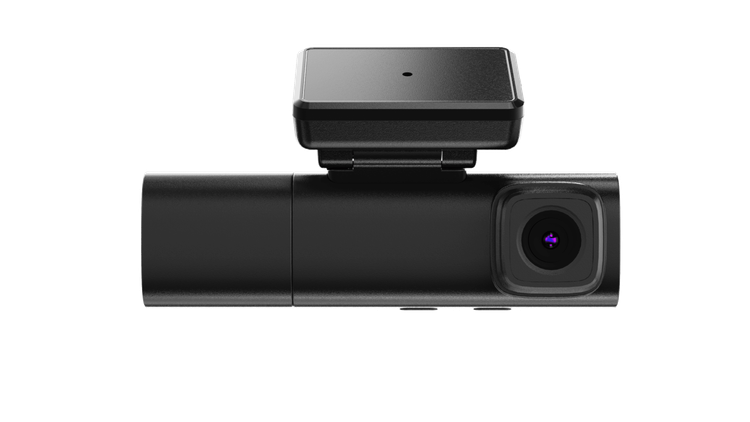
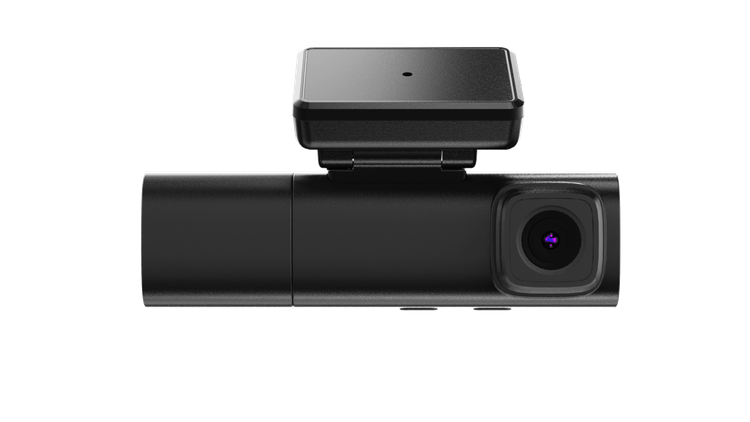
Operations teams blame dispatch, dispatch blames flaky GPS, and the machines keep sitting idle; that’s the day-to-day problem this guide fixes. If your crew treats “en route” like a polite suggestion and your safety reports contradict the live video, you’ve hit the usual snag. Modern solutions from fleet telematics technology providers promise neat integrations, and a quick reality check from MINExpo in Las Vegas confirmed what engineers already suspected: cameras and feeds from a reliable fleet camera manufacturer make a bigger difference than another dashboard widget.
Symptoms that say “your systems aren’t speaking the same language”
These are the signs managers shrug off until a critical load is missed or a near-miss gets messy:- Dispatch shows a truck as “available” while the driver’s tablet says “in service”—status mismatch.
– Location ping latency causes queues at the crusher; trucks bunch up and wait.
– Video and telemetry aren’t time-synced, so investigations take days instead of hours.
If you see any of these, the underlying issue is terminology and data-model mismatch between fleet management and dispatch systems.
Terms that actually break or fix workflows
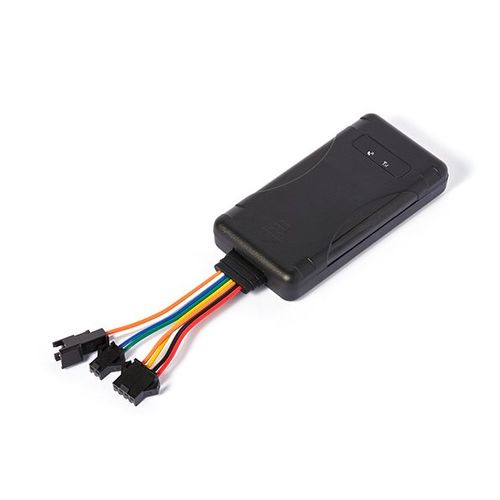
Here’s a short glossary that points to action, not academic definitions:- Telematics: real-time device signals (location, speed, fuel). Treat it as raw data, not an answer.
– Dispatch System: the command center that assigns tasks; it needs normalized statuses, not vendor-specific labels.
– Fleet Management: the higher-level process: maintenance, compliance, and asset utilization—requires clean feeds from dispatch.
– Event vs. Status: event = a timestamped occurrence (start/stop); status = current condition (available/busy). Confusing these is how schedules implode.
– Video Feed Timestamping: crucial for reconciling incidents; if clocks don’t match, evidence loses value.
Why cameras beat another “metric” in tight situations
Telemetry tells you where a machine was; cameras tell you what it was doing. When a loader stalls at a transfer point, a dash of video plus telematics prevents finger-pointing. Practical wins:- Shorter incident investigations because footage clarifies human actions.
– Faster training when operators review real scenarios rather than hypothetical reports.
– Better preventive maintenance when visual cues are paired with vibration and engine data.
Common mistakes teams keep repeating
These errors are cheap to avoid but costly when ignored:- Using different status vocabularies between systems. Pick one and force translations at the API layer.
– Assuming telemetry frequency is enough. If GPS updates every 30s and loads move in 10s bursts, you’ve blind spots.
– Ignoring clock drift between devices. Timestamps must match across cameras and sensors.
– Treating video as optional evidence instead of a primary data stream—then wondering why investigations stall.
Practical fixes you can apply today
Start with these problem-focused steps:- Standardize statuses: map every vendor status to your handful of operational states (available, en route, loading, unloading, maintenance).
– Sync clocks across devices using NTP; insist timestamps in UTC for logs and video.
– Raise telematics frequency for choke points; reduce it elsewhere to manage bandwidth.
– Require video timecodes and low-latency preview for live dispatch decisions.
– Run a two-week pilot pairing telematics providers with a camera setup to validate workflows before wide rollout.
Quick checklist for evaluating integrations
Ask suppliers these straight questions:- Can statuses be remapped at the API level without changing device firmware?
– What’s the round-trip latency for location and video preview?
– How do you guarantee synchronized timestamps across feeds?
– Can the system export incident packets (video + telemetry + logs) in one bundle?
Answering these avoids expensive rework later.
Wrap-up — what to expect when the language stops tripping you up
Fix the terminology, and you clear the path for predictable shifts, faster investigations, and fewer idle hours. When dispatch and fleet management agree on definitions and timing, operators get the right tasks at the right time and safety data actually helps. Real improvements show up in daily rhythm, not just in dashboards; that’s the practical value companies reach for when they pair coherent systems with reliable partners like BSJ.
