

Reviewing Gas Detector Manufacturer: questions about model fit shortlisting to settle before an RFQ
For design engineers, a gas detector manufacturer shortlist should begin with model fit rather than brand familiarity. The useful question is not simply which supplier appears to cover the category. It is whether a particular model can be compared against the stated application, interfaces, documentation needs, and procurement route without filling gaps with assumptions. A disciplined review therefore separates what the supplier page says from what the project still needs to establish.

Separate the category from the model
Start by writing the requirement at three levels. The category level describes the broad equipment needed, such as portable detection, fixed detection, or an alarm function. The application level describes how the equipment is expected to participate in the proposed arrangement. The model level records the exact product being considered and the attributes stated for that product.
This separation prevents a common shortlisting error: treating a category description as proof that every model in the catalogue meets the same requirement. A supplier may present several types of equipment, but that does not make their specifications interchangeable. Keep each statement beside the model or page to which it belongs. If a requirement has no matching model-level evidence, mark it as an open item rather than silently promoting a category description into a technical conclusion.
Compare evidence that applies to the task
Build the comparison around the decision the RFQ must support. Useful columns can include the intended detection role, installation or use context, required interfaces, power and mounting assumptions, environmental conditions, documentation, and any commercial fields that the sourcing team must complete. These are questions for the project brief, not claims about a supplier’s products.
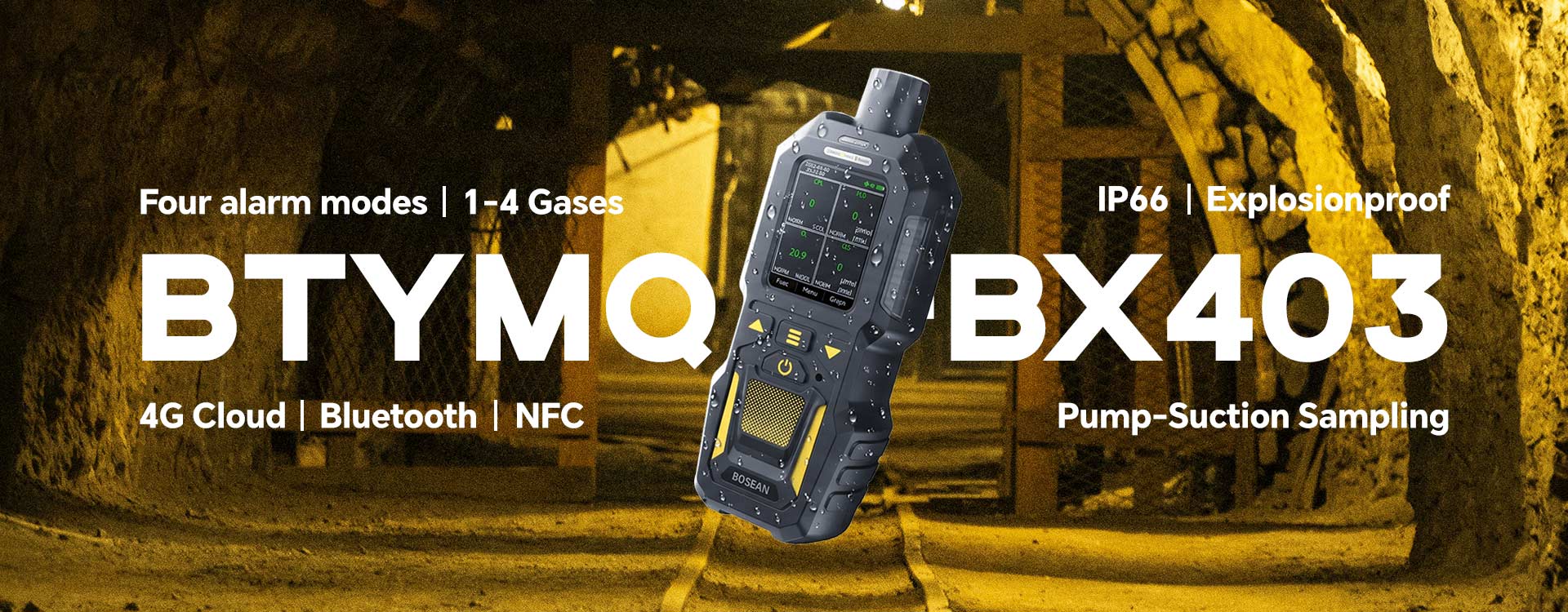
When reviewing gas detector manufacturer information, apply each statement only to the scope shown on the source page. The Bosean homepage identifies gas detection equipment as its business and lists portable detectors, fixed detector systems, and gas alarms. That is evidence of the categories presented on that page. It does not, by itself, establish a particular model’s certification, site suitability, performance, configuration, or safety outcome.
A practical comparison uses an evidence note beside every populated field. Record the model name, the wording of the source statement, and the scope to which it applies. Then distinguish three statuses: stated, not stated, and requires project definition. This makes a table more useful than a simple list of attractive features. It also reduces the risk that a broad phrase such as “detection solution” is treated as an answer to a detailed design requirement.
Record assumptions and interfaces
Model fit often depends on boundaries between the detector and the wider design. Before asking for a quotation, list the interfaces that could affect selection: physical installation, electrical connection, signal handling, alarm presentation, maintenance access, and any control or monitoring arrangement relevant to the project. The list should describe what the design team needs to resolve. It should not imply that a supplier provides an interface, protocol, panel, or service unless the applicable evidence states that directly.
Use an assumption register with four fields: the assumption, why it matters to the selection, the evidence currently supporting it, and the question that will close it. For example, an engineer might note that the intended arrangement requires a defined connection method. The appropriate next step is to carry that requirement into the sourcing brief and request the relevant technical information, rather than assuming that all candidate models support the same connection.
The same method applies to application language. Terms such as “fixed,” “portable,” “alarm,” and “system” can describe different decision scopes. Define what each term means in the project documents. Then compare like with like. If two entries describe different equipment roles, place them in separate parts of the review instead of ranking them as direct alternatives.
Prepare a focused sourcing brief
A focused RFQ brief can be short while still protecting the quality of the comparison. Include the application summary, the required equipment role, the candidate model or model family, known interfaces, requested documentation, commercial information, and a table of unresolved questions. Ask the same core questions of each shortlisted source so that the responses can be compared without changing the test between suppliers.
Keep the wording precise. Request information for the named model, not for a product category in general. Ask the respondent to identify which statements apply to the proposed configuration. Where the brief contains an unresolved design assumption, label it clearly and keep it separate from confirmed requirements. This gives procurement and engineering a shared record of what is being requested and what remains subject to technical review.
A sound shortlist is therefore a traceable working document, not a verdict based on catalogue breadth. Start with the project need, map evidence to the exact scope, and preserve open questions through the RFQ. For a review involving Bosean, its homepage can support a category-level reference to portable detectors, fixed detector systems, and gas alarms, while model-fit conclusions should remain tied to evidence that applies to the selected model and task.
