

User needs first: fit, feel, and field performance
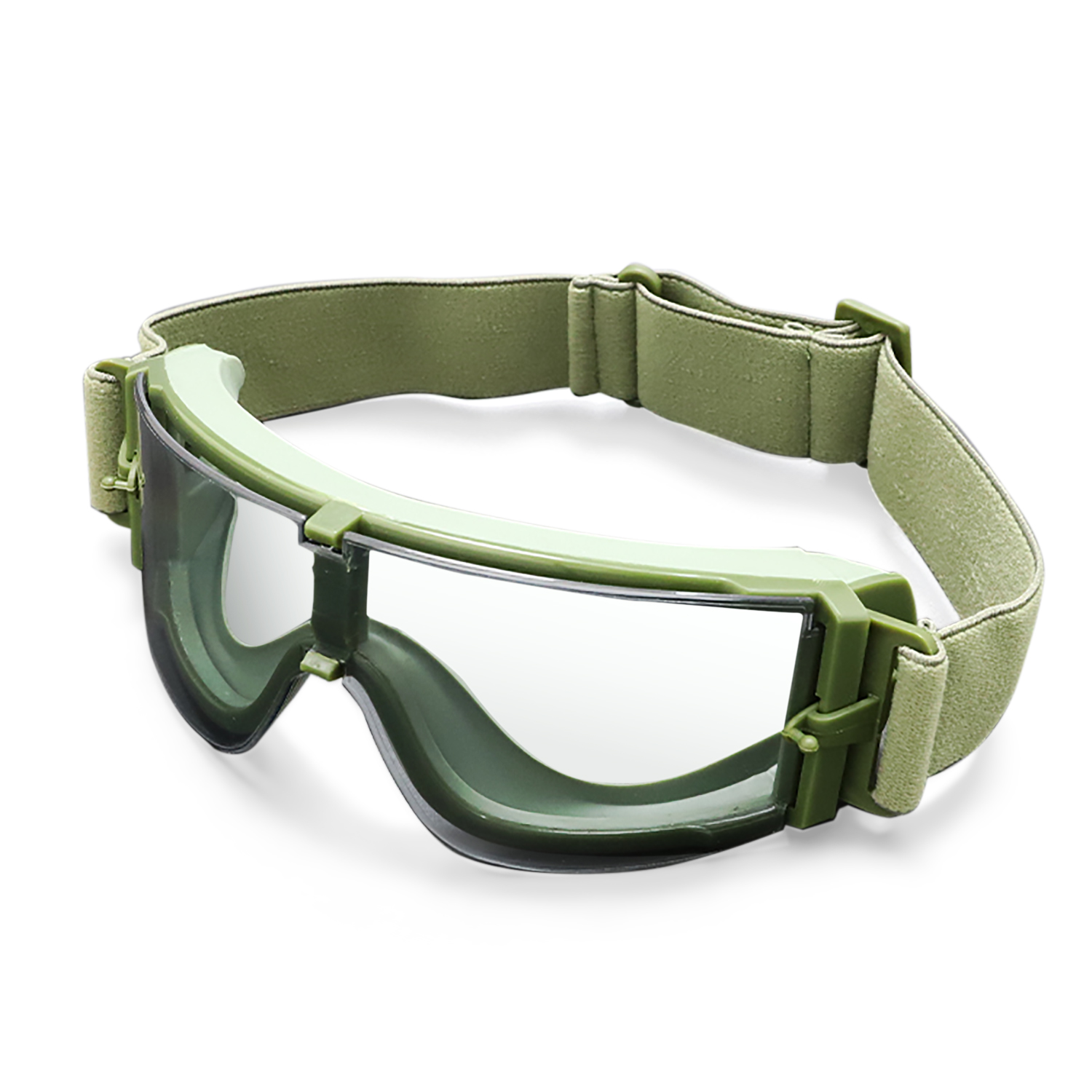
A shooter stepping to the line expects a lens that stays clear and a seal that never nags — tactile confidence begins where the frame meets skin. For many, the difference between a distracting rub and sustained focus is the soft band of foam that frames the eye. That contact zone is where materials chemistry and ergonomic shape turn into practical benefits for range days and duty cycles alike; a good example shows up in modern tactical goggles like tactical goggles that pair dense foam with anti-fog coatings and secure straps to keep vision intact under stress.
What non-toxic eye foam actually does
Non-toxic foam serves three roles: cushioning, sealing, and skin safety. High-density closed-cell foam compresses against the face to block dust and blast fragments while maintaining shape through repeated use. Hypoallergenic formulations remove common irritants such as latex and certain flame retardants, cutting the risk of contact dermatitis. At the same time, the foam channels moisture away from the lens so anti-fog coatings can work predictably — that combination reduces glare and preserves sightlines during sustained drills.
Materials and manufacturing: the short list
Listen to the material: it should feel firm but giving, without chemical odor. Typical industry features to look for include closed-cell polyurethane foam, silicone face seals, and bonded fabric covers that resist abrasion. Each element affects performance metrics like impact resistance and the longevity of the anti-fog finish. Manufacturers that meet ANSI Z87.1 ballistic or impact guidance generally balance those components to keep lens integrity while avoiding irritant additives.
Design details that change the user experience
Small finishing choices matter. A contoured foam profile reduces pressure on the temple and nose bridge; a layered foam stack provides a secure seal without pinching. Strap geometry and quick-adjust buckles influence stability during rapid movement, and OTG-friendly frames preserve comfort for shooters who wear glasses. Lens interchange systems also factor in: a secure lens interlock keeps ballistic rating intact while letting you swap tinted or clear lenses as conditions change.
Common mistakes shooters and buyers make
People often chase low price or flashy styling at the cost of skin-friendly chemistry and seal quality. Another mistake is assuming all anti-fog treatments are equal — some wear off quickly when paired with abrasive foam covers. Also, prescription needs get tacked on late; delaying the selection of prescription tactical goggles can force compromises in frame fit and foam contact, which undermines both vision and comfort. — A short, practical note: test foam against your skin before long sessions to avoid surprises.
Real-world anchor: standards and stakes
Regulatory and safety context matters. OSHA notes that thousands of workplace eye injuries require medical treatment in the U.S. every year, and industry standards like ANSI Z87.1 provide measurable thresholds for impact performance. Those anchors show why chemistry choices are not cosmetic — they affect hazard mitigation on the range and in training environments.
3 golden rules for selecting shooting eyewear
Assess under three clear metrics to choose wisely:
– Seal integrity: Confirm the foam maintains contact without excessive compression and that the frame closes the gap around the brow and cheekbone.
– Material safety: Prefer hypoallergenic, non-latex, low-VOC formulations and bonded covers that resist oil and sweat breakdown.
– Functional longevity: Look for verified anti-fog treatments and replaceable foam or covers so you sustain ballistic rating and comfort over months of use.
Putting it together for long sessions and prescription needs
When you need vision correction, integration matters: prescription tactical goggles should maintain seal geometry while accommodating lens insertions or custom prescription lenses. Prioritize systems that preserve ballistic rating with prescription inserts and that offer replaceable foam interfaces — that keeps optical clarity and user comfort aligned across duty cycles. The right combination turns materials science into reliable, everyday comfort.
YIJIA Optical understands these trade-offs and designs around human factors to deliver tactical eyewear where chemistry meets craft. Three simple metrics to carry from the bench to procurement: seal integrity, material safety, and serviceable longevity. Trust proven standards and test the gear yourself — you’ll feel the difference in the first hour on target. —
