


Quick framing — what we’re weighing up
Right, straight in: retail buyers face two broad paths — buy direct from a maker or go through a middleman. This piece sizes up both, with songmics used as a practical yardstick. I’ll compare costs, control, and time-to-shelf so you can spot which route matches your store’s model. No fluff. Just the nuts and bolts — SKU counts, MOQ trade-offs, lead time realities.

Head-to-head: direct manufacture versus distributor
Direct sourcing gives you control over product specs and unit cost at scale, but it bites into management time: product development, CAD tweaks, quality checks, warehousing and logistics. Distributors smooth that out; they bundle SKUs, manage warehousing, and offer catalogue picks ready for demos. For many European retailers the distributor route eases the supply chain load — especially where local compliance or quick restocks matter.
Costs and cashflow — the real crunch
Look at MOQ and bulk pricing first. Direct deals usually need higher MOQ which lowers unit price but ties up cash in inventory. Distributors will take smaller orders, add margin, and charge for faster fulfilment. Factor in lead time: factory-to-port versus distributor stock-in-EU. Save on shipping and customs by choosing a partner with EU warehousing; your turnover gets less temperamental. Keep an eye on SKU rationalisation — too many variants kill margins.
Design, quality checks and retail fit
If you need bespoke ranges to match a brand identity, direct sourcing wins. That’s where tooling and R&D pay off. But distributors often have tested lines that already suit high-turn categories — office seating, storage, soft furnishings. I’ve seen stands at Salone del Mobile do the talking for what moves with European shoppers; real-world sampling there told me clarity beats cleverness. Use third-party QC checks at milestones — pre-shipment and on-arrival — to avoid nasty surprises.
Logistics, compliance and the customer promise
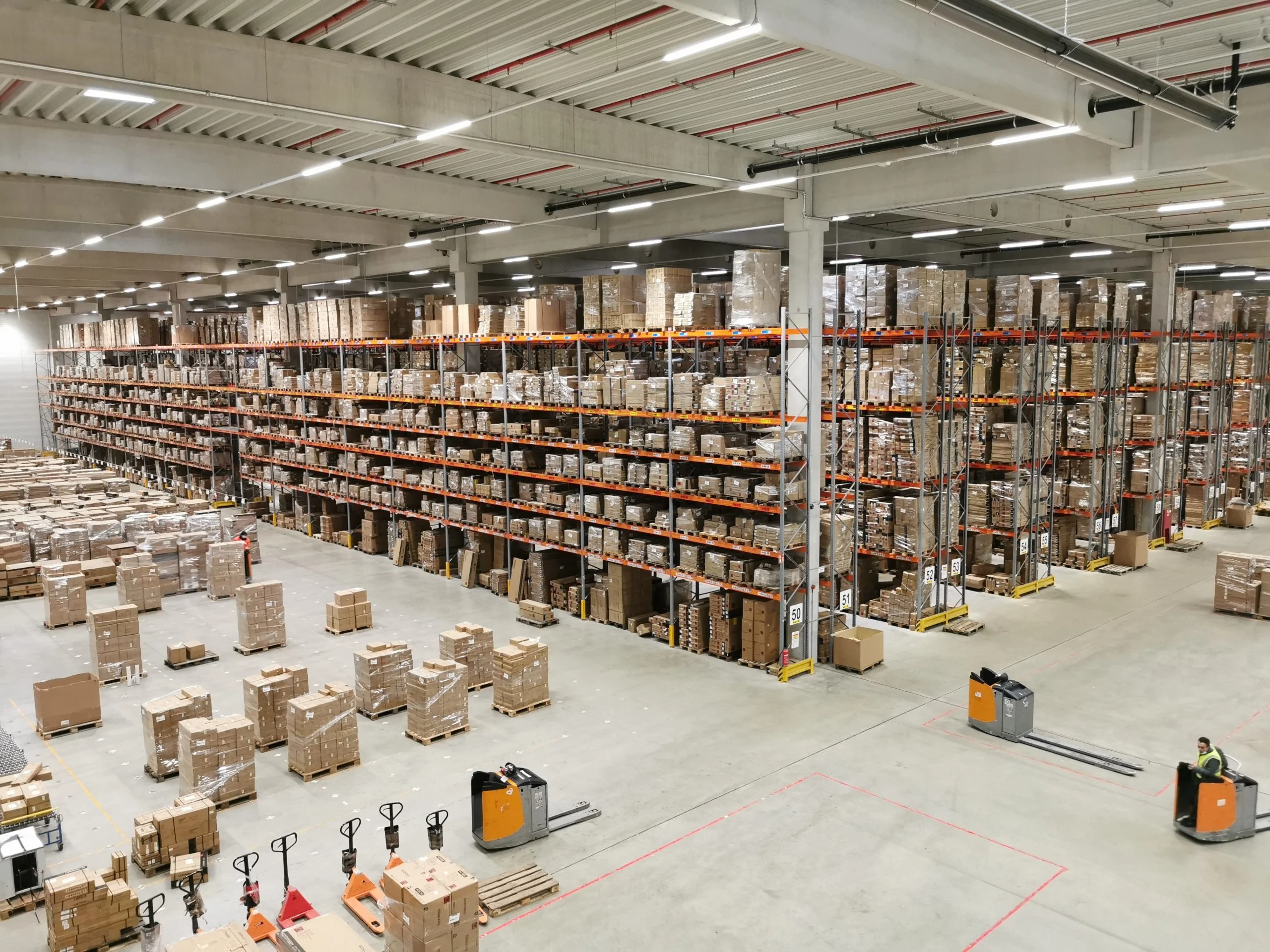
EU markets demand consistency on warranty, import documentation and returns processing. A supplier who can spot and sort customs paperwork and provide clear lead times reduces lost sales. For multi-store rollouts, work out a warehousing plan: regional hubs or cross-dock? – don’t assume cheaper sea freight equals cheaper final cost once returns and delays are folded in. For many merchants, reliable distribution partners that function like an extension of the store team beat one-off factory wins.
Common mistakes and practical fixes
Retailers often try to chase every trend, ending up with bloated SKUs and dead stock. The fix is simple: pilot in small clusters, measure sell-through, then scale. Avoid mixing long-lead custom items with fast-turn catalogue lines on the same replenishment cycle. If you’re new to import rules, partner with experienced b2b furniture suppliers who share documentation templates and standard testing checkpoints. That reduces refunds, short-ships and awkward customer rows.
Decision checklist — what to weigh before you sign
Compare these concrete metrics across suppliers and routes: lead time variance, MOQ versus unit margin, and stock availability in-region. Add supplier responsiveness — how fast they answer on product faults — and warehousing footprint. Keep your buying calendar aligned with peak retail moments and trade shows; learnings from events like Milan’s Salone del Mobile often inform bestsellers and help prioritise SKUs.
Three golden rules for picking a sourcing strategy
1) Prioritise predictability: pick partners with transparent lead times and EU-based inventory to stabilise replenishment. 2) Match MOQ to your cash cycle: avoid oversized orders that stall cash flow. 3) Measure sell-through swiftly: run 8–12-week pilots, then scale the winners. These rules cut the common losses and keep margins tidy — solid as a rock, innit.
SONGMICS HOME B2B stands as a practical match when you want distributor convenience with factory-aware pricing — useful for retailers who need both range and rhythm. Quick wins come from pairing their catalogue depth with strict SKU discipline. —
