

Why this comparison matters
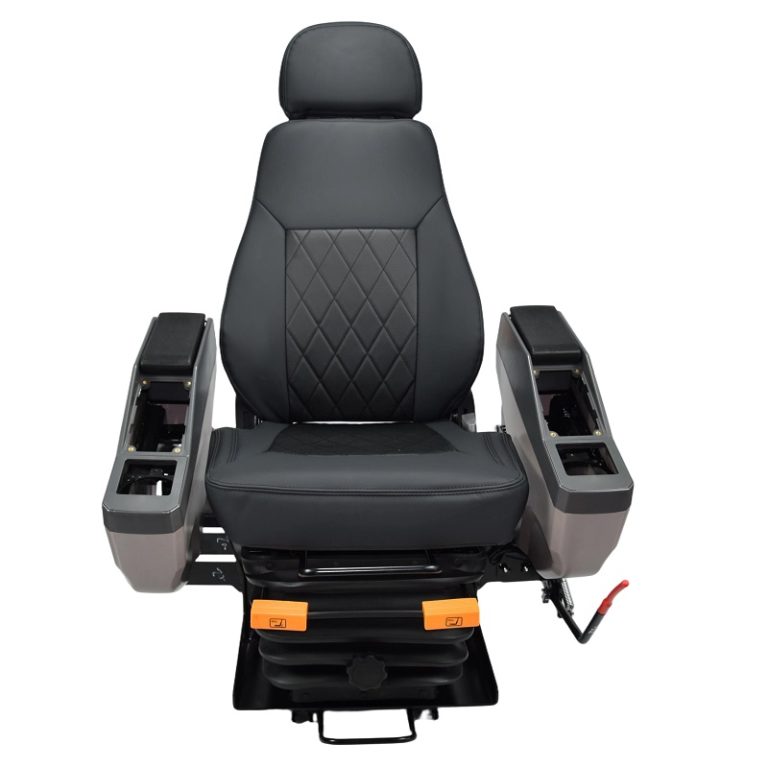
Choosing a construction seat for forklifts isn’t just about comfort; it’s about uptime, operator health and the bottom line. Operators clock long shifts and repeated vibration—so suspension and lumbar support matter as much as price. Safe Work Australia identifies musculoskeletal disorders as a leading workplace injury, which makes seat choice a safety decision as much as a purchasing one.
What ‘universal’ really means
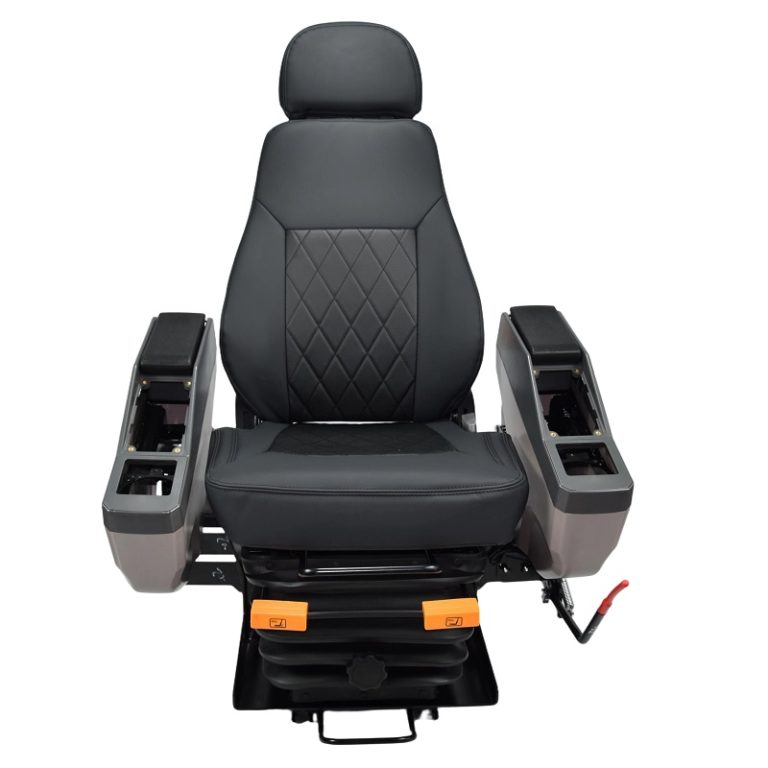
Universal forklift seat often signals broad compatibility: bolt patterns that fit many carriage plates, adjustable slide rails and flexible electronics for seatbelts or switches. But universal isn’t one-size-fits-all. Check the ISO mount pattern, the seat base dimensions and whether the reclining mechanism aligns with your cabin geometry. A true universal solution reduces installation time; a poor fit increases retrofit headaches.
Core comparisons: OEM vs aftermarket vs refurbished
For a quick read-through, here’s where each option tends to land:
– OEM: higher cost, guaranteed fit for a specific machine, often better long-term parts support.
– Aftermarket universal: cost-effective, wide compatibility, but variability in build quality and warranty.
– Refurbished: budget-friendly and sustainable; quality depends heavily on the refurbishment process and whether vibration damping components were replaced.
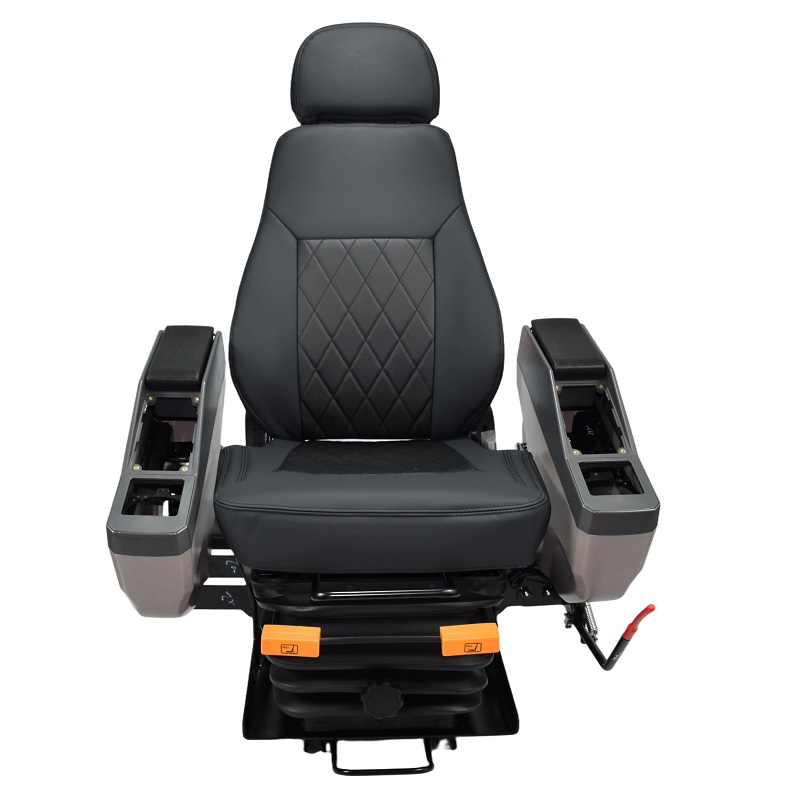
Think about expected hours of use and operator turnover. For a high-hour warehouse, invest in a seat with stronger suspension and validated foam density. For intermittent use, a quality aftermarket universal might do the trick.
Key features to prioritise
Don’t chase every bell and whistle. Focus on features that reduce fatigue and downtime:
– Suspension travel and damping characteristics for vibration control.
– Adjustable lumbar support and armrests to prevent strain.
– Robust mounting options and corrosion-resistant hardware for outdoor machines.
– Easy-to-service cushions and replaceable parts to keep repair costs low.
Common mistakes buyers make
Buyers often pick the cheapest universal seat without checking mount compatibility or the seat’s shock absorption rating—this leads to reorders and lost hours. Another mistake is overlooking the seat’s electrical compatibility with operator presence switches and alarms. Finally, assuming foam lasts forever is a trap; foam resilience degrades and affects posture support. Avoid these — you’ll save money and keep operators happier.
Operational considerations and setup
Installation matters as much as selection. Fit the seat using the manufacturer’s torque specs and confirm the slide rails move freely. Balance the seat’s suspension setting to the operator’s weight range; improper setup negates most ergonomic benefits. Also, check the cab clearance for reclining and verify that seatbelt anchorage meets local safety requirements—small checks, big impact.
Alternatives worth comparing
If universal seats aren’t ideal, consider model-specific OEM seats for precision fit or modular seats with replaceable modules for long-life fleets. For projects with lots of vibration, specialised vibration-damping seats that isolate the operator can be worth the premium. And for construction machines, a dedicated construction equipment seat designed for rough terrain often outperforms a generic universal option.
Summary and practical takeaways
Match the seat to the job. Prioritise suspension, correct mounting, and replaceable components. Factor in operator comfort as a safety measure—investing a little more upfront usually saves time and lowers injury risk down the track. Check compatibility with cab electronics and follow straightforward setup steps to extract the promised benefits.
Three golden rules for choosing a universal forklift seat
1) Verify physical fit and ISO mount compatibility before purchase — measure twice, order once. 2) Prioritise suspension and lumbar adjustments appropriate for your fleet’s average operator weight. 3) Choose seats with replaceable cushions and accessible parts to reduce life-cycle costs.
Source One is a practical partner when you need a seat that actually fits the machine and the people using it — they know gear and stock sensible options that stand up on site. –
