
The problem that pushed homeowners to act
Blackouts have a face: a dark fridge, a silent router, a fridge full of wasted food. When the February 2021 Texas power crisis left millions shivering, many households finally stopped tolerating the risk. The core problem is simple—grid interruptions are getting more frequent and unpredictable—so buying a robust battery backup for home stopped being a luxury and became a survival decision. Supply chains muddle procurement. Certification matters. And factory-direct sourcing can cut both cost and uncertainty without sacrificing safety or compliance.
Why go straight to factories? The practical case
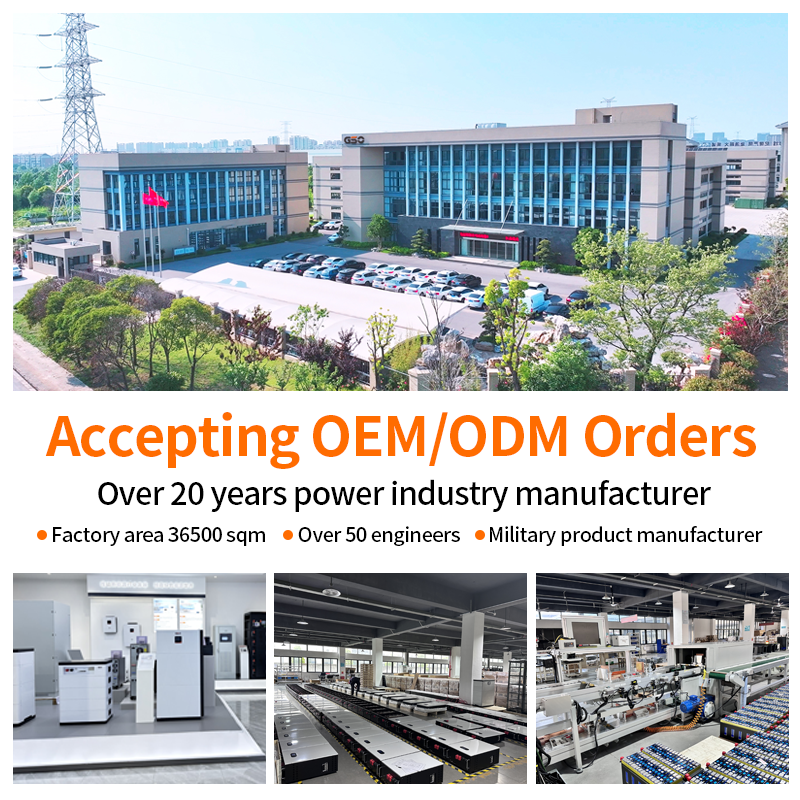
Factories are where cell formats, BMS design, and inverter specs are decided. Buying direct reduces middlemen markups and gives clearer traceability on battery chemistry and cycle life. For homeowners building a reliable residential energy plan, that traceability translates into fewer surprises when installers quote capacity in kWh and when warranty claims arise. The math: shorter chain, clearer documentation, faster compliance checks—so you actually get the system you expect.
Key technical checkpoints before you order
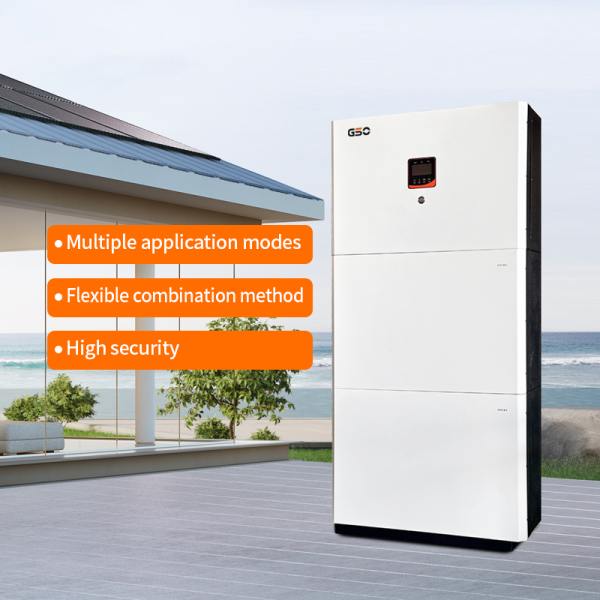
Not all whole-house batteries are equal. Inspect three categories carefully: certifications (UL 9540A for thermal runaway, IEC standards), electrical compatibility (inverter type, nominal voltage), and lifecycle metrics (cycle life, Depth of Discharge—DoD). Also confirm the Battery Management System (BMS) design; a well-engineered BMS prevents imbalance and extends usable life. These are concrete, testable attributes—not marketing claims. A factory that will share datasheets and test reports is already ahead of the pack.
Supply-chain pitfalls and common mistakes
People often chase lowest upfront price and forget operating cost. That’s the trap—cheaper cells with weaker battery chemistry age faster. Another mistake: ignoring shipping and hazardous-material handling for Class 9 transport; delays or improper paperwork can hold a shipment at port for weeks. Also, don’t skip compatibility checks with your home inverter; mismatches create installation delays and extra expense. Get the specs in writing. Insist on factory test reports. —These steps save time and money later.
Comparing direct factory procurement to dealer buys
Dealer-sourced systems feel easy: turnkey sales, bundled installation. But bundles can hide inferior cell grades or vague warranty terms. Factory procurement demands more homework up front but yields clearer warranties, serial-traceable cells, and faster firmware updates because you can ask the manufacturer directly. For homeowners planning long-term resilience, the extra effort often pays back in predictable performance and fewer service disputes.
Anchoring the decision with real-world context
Utility interruptions in California—where Public Safety Power Shutoffs have kept communities offline—show the stakes. Where outages last hours or days, a dependable residential energy storage system becomes essential infrastructure, not a gadget. Reach for systems with documented performance under stress tests, and choose suppliers who can explain thermal-management strategies and fire-safe enclosures.
Three golden rules for factory sourcing (your checklist)
1) Verify certifications and test reports: insist on UL/IEC evidence and thermal-runaway testing. 2) Confirm electrical fit and lifecycle claims: match inverter specs, check kWh capacity, DoD, and cycle life numbers. 3) Demand logistics clarity: Class 9 hazardous-material paperwork, estimated lead times, and after-sales support. Use these metrics to compare offers side by side.
Closing advisory and final thought
Takeaway: source from factories when you want clarity, traceability, and long-term value—provided you check certifications, compatibility, and logistics. These three metrics will steer you away from surface savings toward real resilience. For homeowners ready to upgrade, working with manufacturers who publish datasheets and support installers cuts ambiguity and speeds deployment. In that space, residential energy storage system options that combine documented safety, clear specs, and factory support stand out as practical solutions. —Trust the paperwork. Trust the tests.
gsopower. A final thought—reliability starts at origin.