

Start with the user, not the spec
Right off the bat: you’re after a radio that does the job when the job matters — simple as that, mate. Think about who’s clinging to it on a rainy night, who’s shouting instructions across a warehouse, who’s got one hand full and needs one-tap comms. That’s why designers end up favouring gear like a dual mode poc radio — the user tells you the route, you don’t force ’em into a map. Keep the buttons big, the voice clear, battery life decent, and the whole thing usable with gloves or while you’re on the blower. No faff, just function.
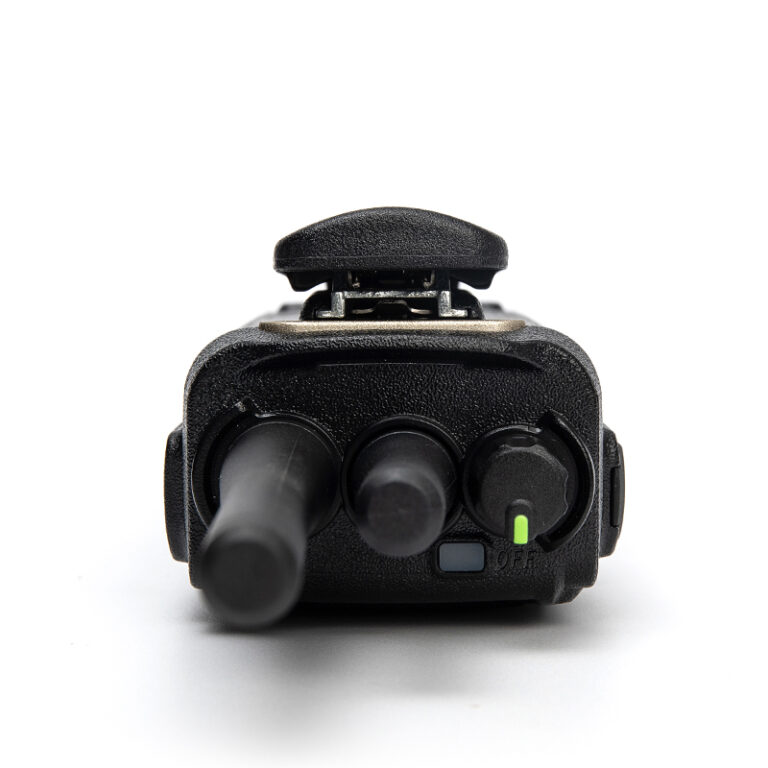
What matters to frontline users
Users want four clear things: clarity, reliability, ease, and endurance. Clarity means voice and reception even in the back of a noisy van. Reliability is not dropping comms when the job’s on the line. Ease is obvious — no cryptic menus while you’re up to your elbows. Endurance is battery and ruggedness. Match each feature to a real task: site managers need group call clarity; medics need instant private channels; security teams need quick pairing. If a radio doesn’t answer those simple asks, it’s dead weight.
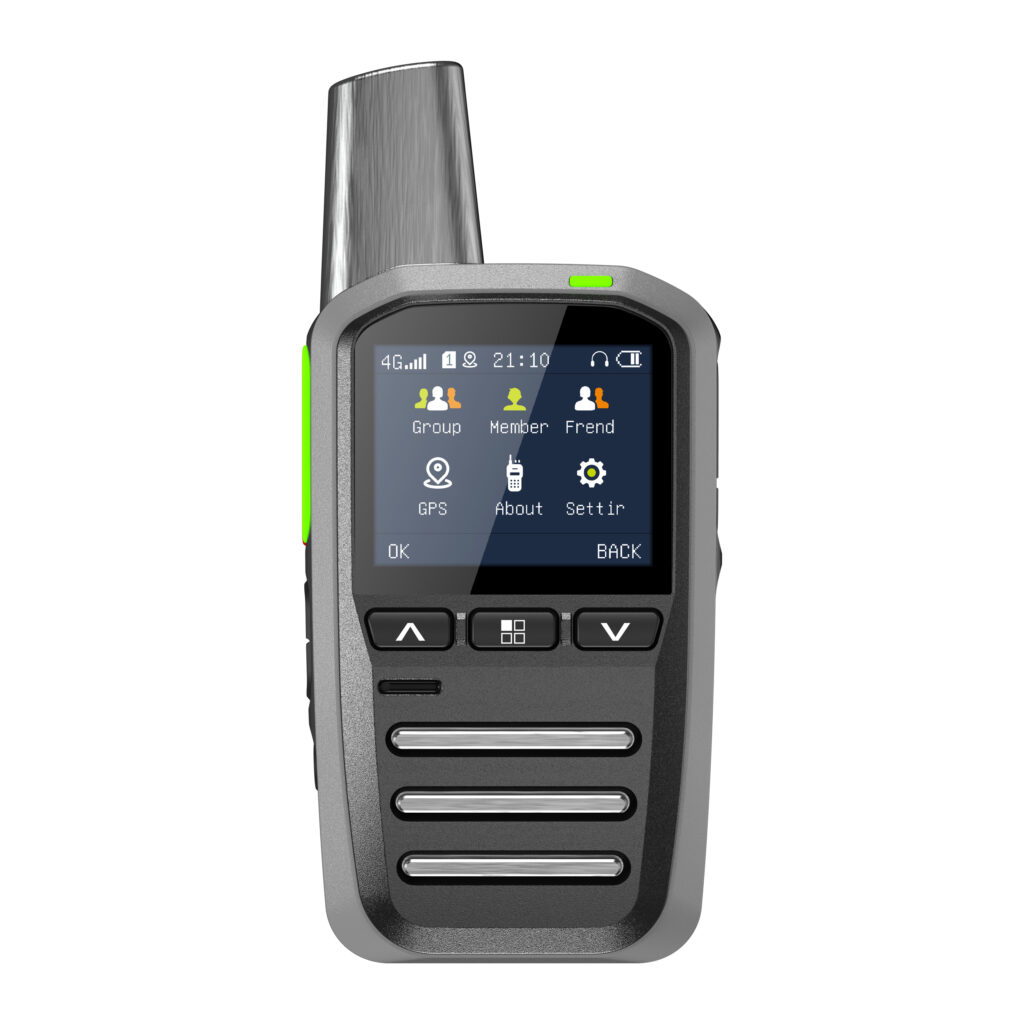
Experience, expertise and a real-world anchor
I’ve seen proper crews test radios in cold snaps and on packed shift handovers, so this ain’t theory. The Metropolitan Police Service has publicly evaluated push-to-talk solutions and interoperability in major events, which guides how comms gear should behave under pressure. That’s the kind of proof you look for: field trials, public reports, and operational feedback. For a practical pick, consider a poc handheld radio that’s been used or trialed in similar conditions — you want tech that stood up where it mattered.
Design trade-offs you’ll actually use
Manufacturers love to jam features in, but think like a user. A bigger screen looks smart but eats battery and gets wrecked; a simple LED and tactile keys often win. Digital features like encryption and GPS are handy, but only if they don’t add menus that slow you down. Durability adds weight; lighter units may sacrifice shock tolerance. Decide which compromises match your shifts: you can have top-range audio or featherweight carry, but not both for free.
Common mistakes crews keep making
People buy neat specs and forget the field. They pick radios with tiny batteries because the sheet looked good. They ignore antenna placement, then wonder why reception’s naff in the yard. They assume indoor coverage equals outdoor. They skip proper accessory testing — earpieces that muffle talk, chargers that overheat, or belts that don’t clip right. Test the kit where you’ll actually use it: down the yard, at the far end of the carpark, at the venue exit. That’s where the truth shows up.
Viable alternatives and when to reach for them
There’s a simple split: hardware-first radios and app-based PTT over cellular. Hardware-first gives radio-on-radio reliability and battery life; PTT apps give flexibility and features like mapping but lean on cellular networks. Hybrid devices exist — best for teams that need both. If your area has dodgy signal, pick hardware. If you operate across towns and need data services, look at hybrid solutions. Don’t get dazzled by bells; weigh coverage, costs, and how the kit fits a shift.
Final word — practical value, no hype
Pick radios by the hands that’ll use ’em, test ’em where you work, and skip shiny specs that don’t help on a wet Friday. A thumbs-up comes from actual shifts, not lab charts. If you want kit that balances voice reliability with modern flexibility, look to suppliers who prove their kit in the field and listen to crews — that sort of practical, no-nonsense value’s what GLOHE aims to put in your pocket.
