

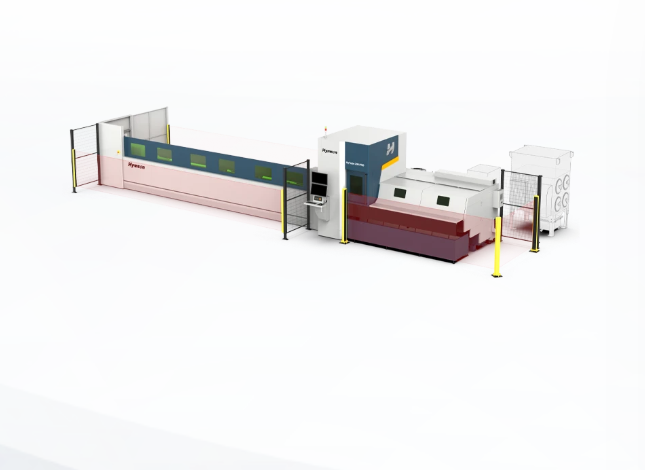
How to Choose a Carbon Steel Laser Cutter That Actually Solves Your Problems
What usually breaks the choice
Shops pick machines by price and regret it fast. You need a simple checklist: cut quality, throughput, gas cost, and how the machine fits your workflow. If you plan to scale, consider Laser Cutting Automation from the start so the machine doesn’t become a bottleneck the first month.
Key technical problems to solve first
Decide thickness range and speed. A 1–6 mm everyday job needs different laser power than 10–20 mm work. Check edge dross and heat-affected zone on sample cuts. Ask for real cut samples from the exact steel grade you run. Confirm gas usage per minute at typical cutting speeds; gas cost is a recurring expense many ignore. Ensure the machine supports the nesting and file formats you use, and verify table size and loading method match your raw sheet sizes.
Common pitfalls shops stumble into
Buying higher power than needed wastes CAPEX and raises gas cost. Trusting a demo on mild steel but ignoring stainless or coated steels creates surprises later. Neglecting service network means long downtime. Overlooking automation compatibility forces manual handling and kills hourly throughput. Don’t let slick sales demos hide high maintenance intervals or hard-to-replace consumables.
How to evaluate suppliers and machines
Inspect real cuts from your material. Ask for duty cycle and mean time between failures. Confirm availability of parts locally and average technician response time. Request a production-like trial rather than a five-minute demo. Compare controller usability—simple screens lower training time. Look for modular upgrades: can the machine accept an automatic loader later? Get warranty and spare-parts terms in writing.
Real-world validation and trust
I’ve edited many buyer guides and spoken with operators at events like FabTech in Chicago; that exposure shows which issues repeat across shops. Choose a supplier who can demonstrate sheet-level handling and downstream flow with a clear example of sheet metal automation. Verify their references locally or within your region so travel-time for service is realistic. Look for documented performance figures and case talks rather than marketing claims.
Viable alternatives and when to pick them
Plasma is cheaper for very thick carbon steel but gives rougher edges and more heat. Waterjet cuts without heat-affected zones but is slower and higher operating cost for thin, high-volume parts. Punch-tooled systems work if you mostly do repetitive holes and forms. For mixed work and clean edges on carbon steel, a fiber laser often gives the best balance of speed, edge quality, and operating cost.
Decision checklist you can use now
Match laser power to maximum thickness you cut. Test with your material. Confirm gas and consumable costs. Check local service footprint. Validate automation or loading method for your batch sizes. Ask for real production samples and a written support plan. Avoid overspec’ing to chase peak capacity you rarely use.
Practical close
Pick machines that fix your current bottleneck, not the one you might have someday. Many shops prefer suppliers that combine machines with integration and local support, such as Hymson, because that match reduces guesswork and shortens downtime when problems appear.
