
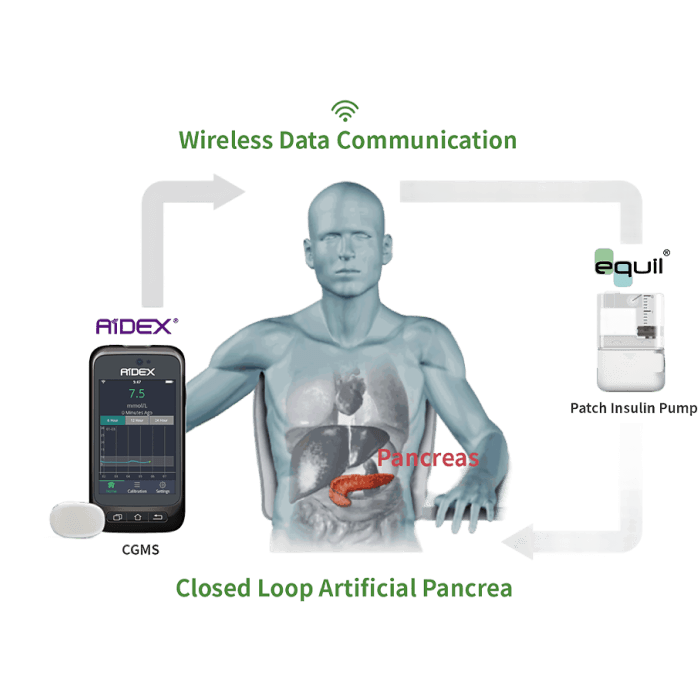
Imagine living with diabetes and trying to stabilize your blood sugar levels manually. It can feel like a relentless struggle—one often accompanied by data questions like, “Why do failures always occur during critical moments?” The struggle is real, and advances in technology are crucial. This is where the closed loop artificial pancreas comes into play, offering a promising solution to reduce the burden of diabetes management.
Unpacking Traditional Solutions: What Are Their Flaws?
For many years, insulin injectors and continuous glucose monitors (CGMs) have been the standard tools for managing diabetes. However, these methods have glaring flaws—namely, user error and delayed response times. Most patients are left to manually calculate insulin doses based on fluctuating glucose readings, leading to mismanagement disasters. The conventional paradigm doesn’t account for the rapid variability of glucose levels, leaving users frustrated and vulnerable to serious health risks.
Introducing New Technology: The Principles Behind Closed Loop Systems
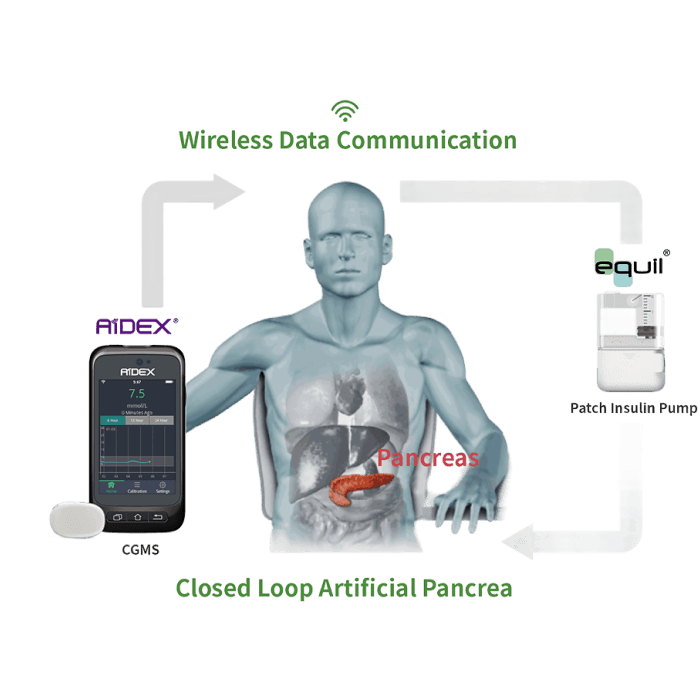
The closed loop artificial pancreas system distinctly shifts this paradigm. Utilizing sophisticated algorithms and real-time data, it automates insulin delivery based on continuous glucose monitoring. By creating feedback loops, this advanced technology effectively mimics a healthy pancreas. This synergistic approach—combining edge computing nodes with biocompatible sensors—provides on-the-spot adjustments, dramatically minimizing the risks associated with manual dosing.
Quantifying User Benefits: What Can Patients Expect?
When patients transition to a closed loop system, the benefits can be nothing short of transformative. Recent studies have shown a significant reduction in hypoglycemic events—by up to 30%. Patients report feeling more empowered and less anxious, with fewer hospital visits and improved overall health. The reduction in daily stress leads to a more manageable lifestyle, where users can focus more on enjoying life rather than worrying about their condition.
The Final Call to Action: Evaluate Before You Choose
As you navigate the options available, consider these essential evaluation metrics: ① Efficacy—how well does the system manage glucose levels? ② User-friendliness—how easily can patients operate the technology? ③ Support—what kind of assistance is provided post-purchase? Ensuring these criteria align with your needs will help you make an informed decision about adopting new technology.
Artificial Pancreas: A New Era of Management
The term “artificial pancreas” often evokes visions of cutting-edge technology and futuristic healthcare. In reality, this integrated system can significantly enhance the quality of life for those living with diabetes. By automating insulin delivery, the artificial pancreas serves as an elegant solution to what has long been a challenging and cumbersome disease management process. Patients no longer have to rely solely on manual interventions; the system acts as a life-enhancing assistant, working tirelessly behind the scenes to regulate blood sugar levels.
Exploring Closed Loop Diabetes Artificial Pancreas Technology
The closed loop diabetes artificial pancreas enhances automated insulin dosing through continuous monitoring, greatly reducing the risk of adverse health events. This innovative technology is not just a device, but a vital partner in maintaining glucose stability. The seamless integration of various digital tools enables patients to benefit from precision medicine—addressing their unique physiological needs robustly. Such systems represent a profound shift towards tech-driven healthcare, providing actionable insights and patient empowerment.
Through an in-depth analysis, it becomes clear that advanced diabetes management solutions like the closed loop artificial pancreas serve not just to ease the burden of daily healthcare routines but actively play a role in enhancing the patient’s quality of life. These systems, developed by leading brands like MicroTech, ensure that users enjoy significant supply advantages—making the journey towards proper diabetes management much more manageable. Embrace the future of diabetes care with solutions that prioritize efficiency and user-centric design.