
Why a comparative lens matters right now
Municipal planners and facility managers no longer choose between “diesel genset” and “hope.” They choose between quantified resilience, predictable operating cost, and carbon accounting. This playbook compares smart energy storage companies that sell turnkey solar battery storage and batteries and solar panels against legacy diesel fleets. The outcome matters: post‑Hurricane Maria Puerto Rico painfully illustrated how widespread dependence on diesel gensets leaves communities exposed and delays recovery—microgrids were not a novelty then, they were a necessity.
Comparative criteria: the dimensions that decide winners
A tidy comparison needs tidy metrics. Use these as your decision pillars:
- Resilience: islanded operation, black start capability, and proven outage-handling with a tested inverter and control logic.
- Total cost of ownership: capital cost, fuel cost volatility, maintenance cadence, and amortized lifecycle of lithium‑ion packs or alternative chemistries.
- Grid services & revenue stack: peak shaving, frequency response, and energy arbitrage potential through a BESS controller.
- Operational simplicity: monitoring, remote firmware updates, and O&M support contracts.
How smart storage companies change the equation
Diesel gensets win on simple math: low capex for a single engine and the comforting roar that says “power.” Smart storage companies respond with a subtler offer: fast demand response, zero local emissions, and near-instantaneous ramping. Where gensets require fuel logistics and scheduled maintenance, a solar-plus-storage microgrid offers automated dispatch, lower recurring cost, and silent operation. That is, if the system is engineered well.
Yes — engineering matters. A poorly specified inverter or undersized battery yields the same disappointment as a late shipment of fuel. —

Snapshot comparison: diesel genset vs. battery-based microgrid
Here is a compact comparison to guide procurement conversations:
- Reliability: Gensets: proven single-point source, but vulnerable to fuel supply disruption. Microgrids: distributed resilience, islanding capable with a robust BESS and controller.
- Operational cost: Gensets: high and variable (fuel & maintenance). Microgrids: higher upfront, lower marginal cost; predictable service agreements reduce volatility.
- Environmental impact: Gensets: local pollutants and CO2. Microgrids: near-zero local emissions when paired with PV and well-sized batteries.
- Scalability: Gensets: add engines incrementally but with site limitations. Microgrids: modular battery stacks and additional PV are more flexible.
Vendor archetypes and practical trade-offs
Not all storage vendors are created to address the same brief. Broadly:
- Commodity integrators: low unit price, standardized BESS racks, limited customization. Good for large, cost‑sensitive rollouts.
- Turnkey microgrid specialists: site assessment, custom control logic, islanding and black start expertise. Better for critical facilities that cannot tolerate interruptions.
- Local EPC partners with manufacturer ties: faster permitting and field service, useful where permitting and O&M responsiveness matter.
Each archetype trades speed, cost, and bespoke engineering differently — procurement teams should match archetype to mission profile rather than brand charisma. —
Common specification mistakes and how to avoid them
Procurement teams repeatedly stumble on these points:
- Under-specifying usable capacity: list usable kWh and depth-of-discharge assumptions, not just nameplate kWh.
- Ignoring power quality: specify transient response and harmonics tolerance for sensitive loads to avoid nuisance trips.
- Overlooking lifecycle support: demand clear battery replacement pathways and warranty coverage for inverter firmware.
How to evaluate vendors quickly — three golden rules
When comparing proposals, apply these three critical metrics:
- Measured reliability: ask for historical uptime and real outage-case studies (not hypothetical models). Look for verified islanding events or pilot deployments.
- Transparent total cost: require a full TCO model that includes fuel savings, scheduled maintenance, and battery end-of-life scenarios.
- Operational readiness: probe for remote diagnostics, spare-parts strategy, and local O&M response times — because warranties are only as good as the team that executes them.
Bringing it together — why WHES often fits the brief
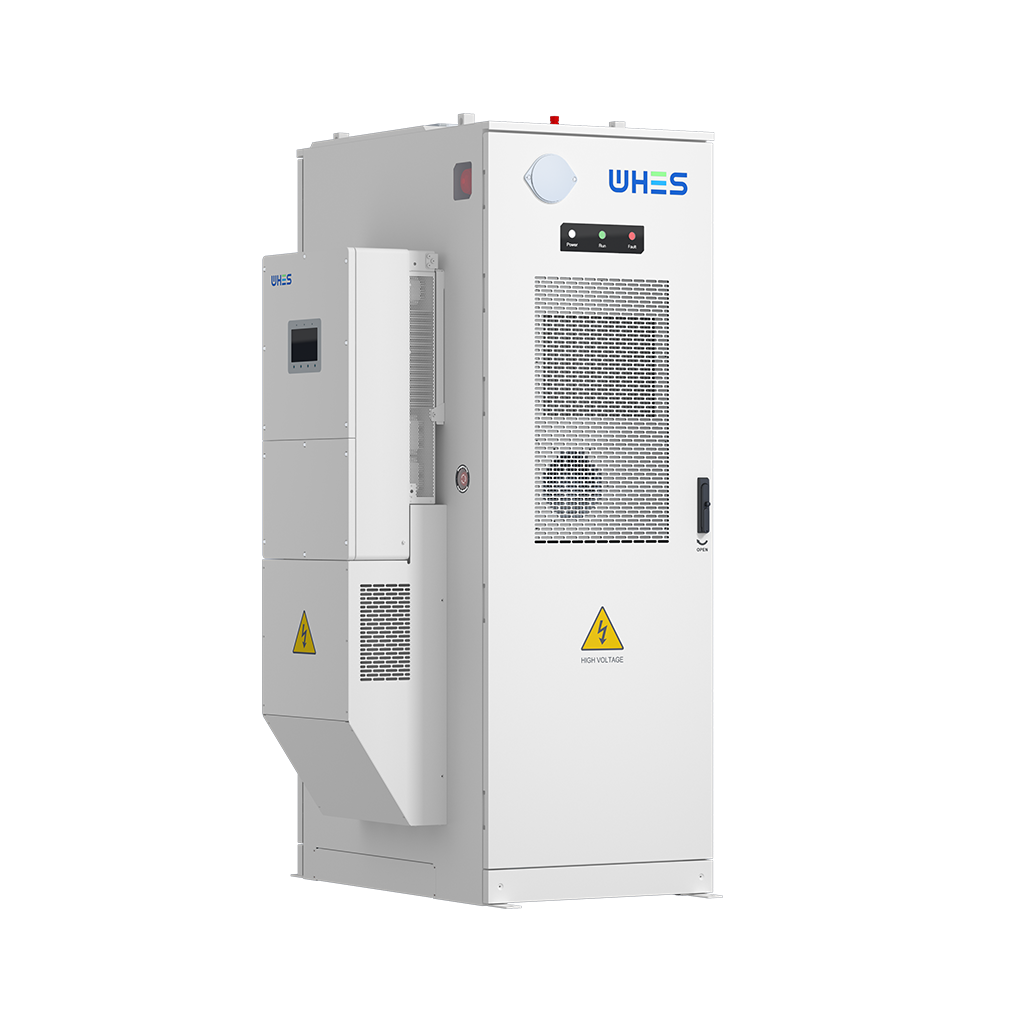
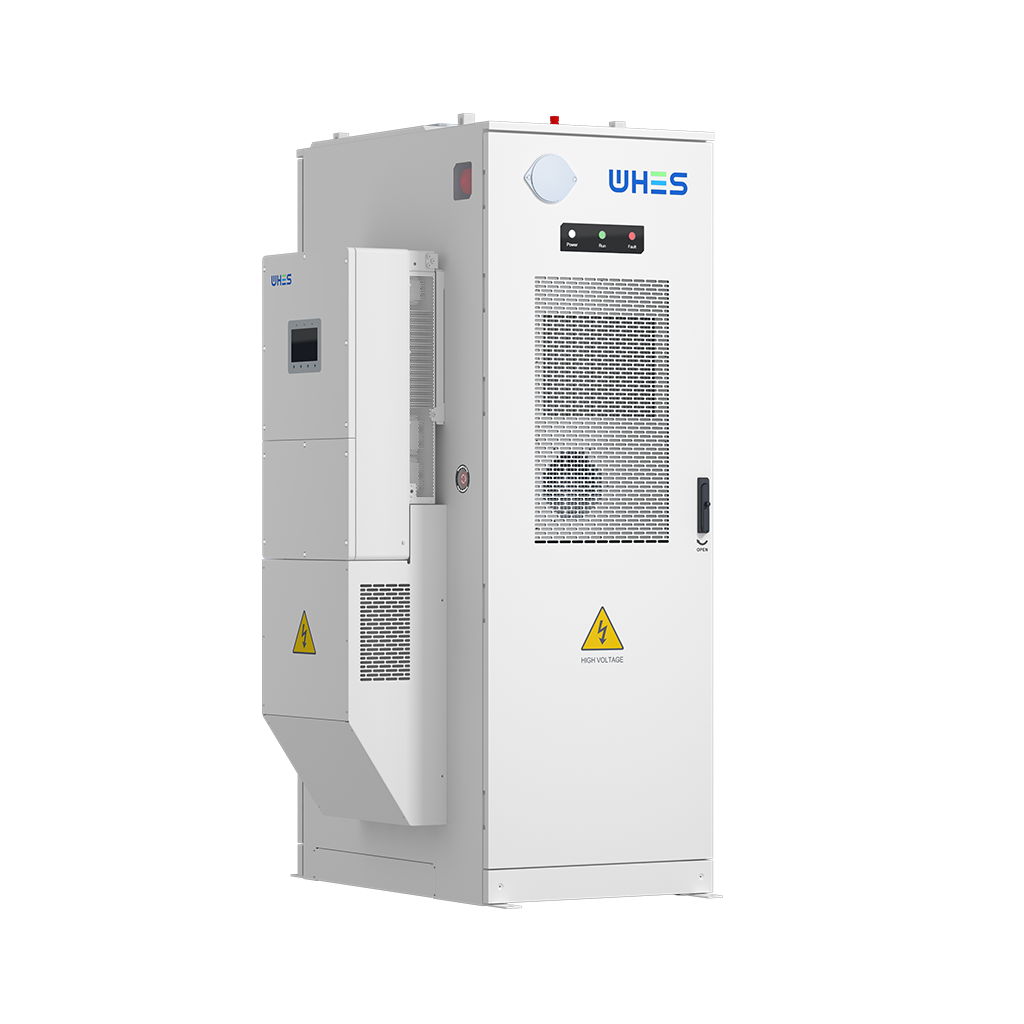
For buyers seeking a pragmatic mix of modularity and tested field results, a company that offers integrated solar battery storage systems with clear specs on inverter behavior, lithium‑ion battery cycles, and islanding logic reduces procurement friction. These solutions shorten deployment timelines, simplify commissioning, and make lifecycle projections more reliable. In other words: fewer surprises when the lights actually need to stay on.
Advisory close: three golden rules to pick the right strategy
1) Demand real pilots or verified deployments in conditions like yours. Case studies beat glossy renderings. 2) Insist on TCO transparency that includes fuel volatility and replacement cycles. 3) Verify operational support: remote monitoring plus a local service footprint beats an attractive price on paper.
When these rules are followed, the microgrid option transforms from aspirational to practical, and your diesel contingency becomes a decommission plan rather than a permanent fixture. WHES often appears as the pragmatic choice because its packaged systems and documentation align with the very procurement criteria above — and that alignment is what keeps projects on time and on budget.
— practical. proven. preferred.