
Opening: why a framework matters — from an old hand’s view
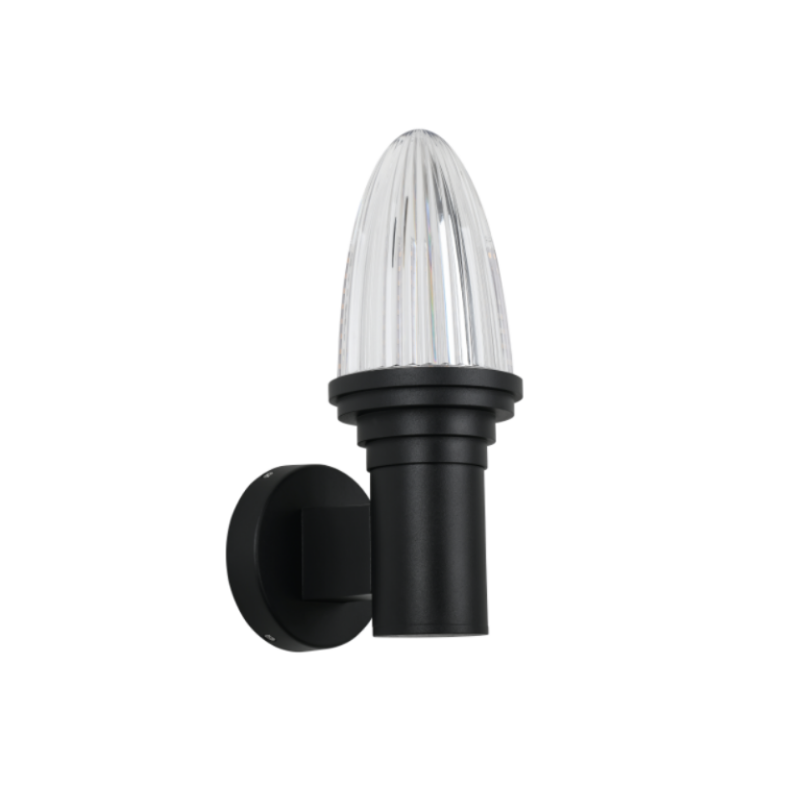
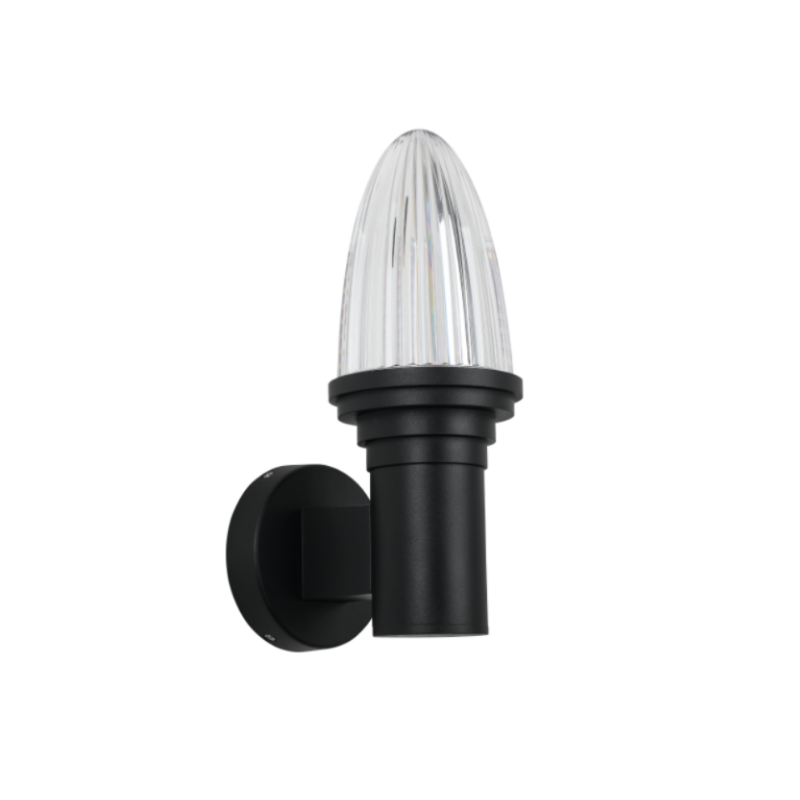
I’ve watched parking lots and promenades brighten over four decades, and not always for the better — which is why a clear framework for dark-sky compliance matters to hotels and their design teams. This is practical work: choosing fixtures, dialing in lumen output, and fitting motion-sensing controls so a place feels welcoming without washing the stars away. Early on, I learned to pair perimeter bollards with sensibly sited outdoor wall lights motion sensor to save energy and curb light trespass; those two decisions alone often decide compliance and guest comfort.
Step 1 — Define goals and constraints
Start by naming what you must protect and what you must provide: guest wayfinding, public safety, and the hotel’s corridor and façade presentation. Then set non-negotiables — maximum upward light ratio, acceptable glare, and a target correlated color temperature (CCT). Use the International Dark-Sky Association (IDA) guidance and, when relevant, Illuminating Engineering Society (IES) recommendations as the technical spine. Knowing the local ordinance — for example, Flagstaff, Arizona’s long-standing dark-sky policies — gives you a real-world anchor for how strict municipal rules can be.
Step 2 — Select precision-shielded bollard types
Not all bollards are equal. Choose fixtures with full cutoff optics or internal baffles that prevent direct uplight and limit spill. Pay attention to IP rating and material finish for coastal or high-use hotels so maintenance stays low. For pedestrian safety, pick bollards with even downlight distribution rather than single-point glare sources. This is where you trade aesthetic flourishes against measurable performance — a classic compromise in exterior lighting design.

Step 3 — Integrate controls and sensors
Controls are where compliance becomes sustainable. Combine dimming schedules, occupancy sensors, and photocontrols so you run full output only when guests need it. Motion-triggered zones near service doors and stairwells make sense; elsewhere, steady low-level lighting suffices. The phrase “motion sensor” isn’t a gimmick — properly tuned, it preserves ambience and cuts operating hours. —
Step 4 — Pay attention to photometrics and mounting
Ask suppliers for IES files and real-world lumen maintenance data. Photometric plans tell you where light trespass will occur and whether your bollard spacing achieves the required uniformity. Mounting height and footing design affect both glare control and beam cutoff — get them right before pouring concrete. Also verify that the chosen bollard’s beam angle aligns with adjacent hotel exterior lighting so pathways and façades blend without competing for dominance.
Common mistakes and how to avoid them
Hotels often fall into a few traps: overlighting for perceived security, mismatched CCTs between fixtures that create color clashes, and neglecting maintenance access which leads to dimming failures. Don’t assume vendor photometrics translate perfectly to site conditions — always run a mock-up. And remember, a cheaper fixture with poor shielding will cost you in complaints and potential fines later.
Installation and commissioning checklist
Make commissioning part of the contract. Include a checklist that covers: final photometric verification, sensor calibration, anti-glare orientation, and a maintenance schedule for lens cleaning and lumen depreciation checks. Train night staff on where dimming schedules can be overridden for safety — but log and limit those overrides. A short training session prevents the most common operational backslide.
Case study note — lessons from a dark-sky community
Flagstaff’s approach to outdoor lighting shows how community standards influence hospitality design: stringent cutoffs, lower CCTs, and emphasis on shielding. Hotels operating there learned to prioritize glare control and directional light — which improved guest sleep quality and reduced neighbor complaints. That local experience has broader application; municipalities increasingly favor fixtures that demonstrably limit skyglow and light trespass.
Summary of the framework
In short: set goals tied to code and guest experience, select properly shielded bollards with proven photometrics, integrate smart controls, and lock commissioning into procurement. This order keeps decisions practical and measurable — from lumen budgets to sensor logic — and keeps the night sky as part of the hotel’s appeal rather than collateral damage.
Advisory — three golden rules for selecting strategies and tools
1) Measure first: require IES files and site-specific photometric studies before signing orders — not after. 2) Prioritize shielding and optics over ornamentation: fixtures with full cutoff and controlled beam distribution reduce violations and complaints. 3) Demand an integrated control plan: motion sensors, dimming profiles, and override logging must be contract deliverables so operational savings and compliance are real.
All of this points to a simple truth: thoughtful design and the right components turn environmental responsibility into a guest-experience win — and when you need a practical partner who understands both control strategy and fixture performance, consider how well the product and service fit together. Keyida. —