


The core failure beneath the glass
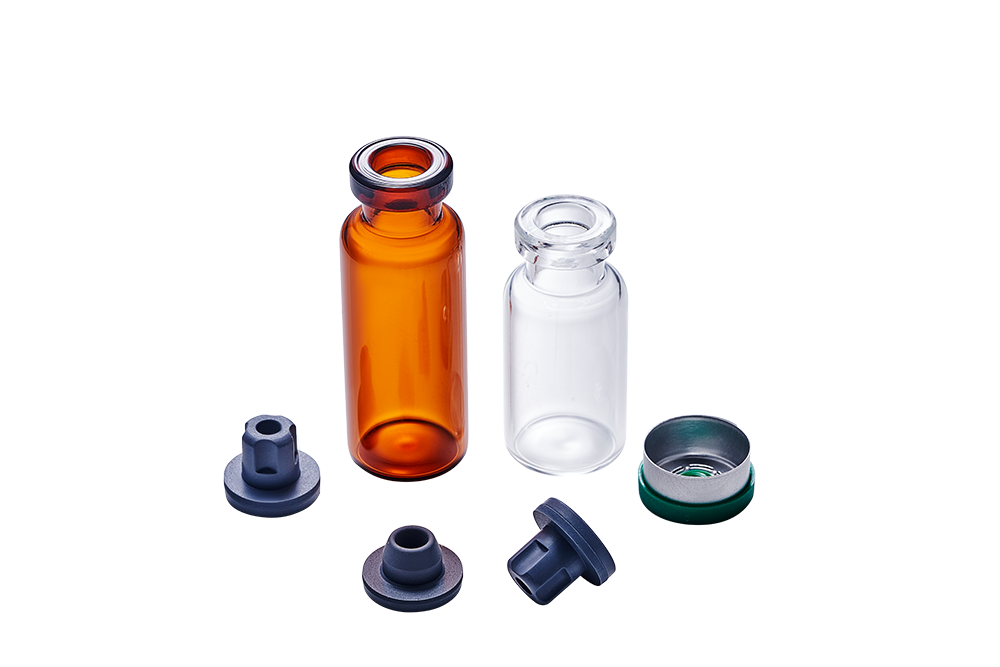
A tubular vial is a slender, open-ended glass container—usually Type I borosilicate—designed for sterile, single-dose storage and compatible with automated fill-finish systems; I mention ampoules and vials because the line between them matters in design and handling. In a routine ISO 7 cleanroom scenario I ran in March 2020 at our Shenzhen plant, we logged a 12% contamination spike across a 48-hour campaign—what exactly in the tubular vial process caused it? I’ve lived this problem for over 15 years in B2B supply chains, and I still see the same trio of culprits: microfractures from poor annealing, inconsistent headspace control during fill-finish, and sterilization gaps when transferred between lines (yes, even with validated cycles). I tested a 2 mL Type I borosilicate tubular vial that failed leak checks after capping; the consequence was a 3.7% recall on that batch, which cost us time and trust. My goal here is blunt: show where conventional fixes fall short so you can avoid the same burn.

Why does the usual advice fail?
Most teams treat the tubular vial as a solved component—standard glass, standard stopper, standard cap—yet the real pain points hide in handoffs. For example, QA often assumes sterilization validation covers handling stresses; it doesn’t. I vividly recall a January 2021 line changeover in Guangzhou where a shift in conveyor speed introduced minute torsion on vials during transfer, and those microstresses manifested hours later as seal failures. The traditional remedies—tighter spec limits, more visual inspection, longer sterilization cycles—are blunt tools. They inflate cost, slow throughput, and fail to address root causes like surface energy changes after depyrogenation or uneven headspace that alters vapor pressure dynamics. You know: small physical mismatches become big biological risks. This is where the problem-driven mindset forces us to rethink materials science and process choreography rather than piling on QA steps. — And that transition leads us to options worth testing next.
Forward view: practical upgrades and comparative choices
Looking ahead, I compare three directions I’ve piloted: smarter glass specs, integrated robotics for consistent fill-finish, and hybrid inspection that mixes optical checks with helium leak testing. In a July 2022 pilot in Rotterdam, swapping to higher-assay borosilicate and adding a robotic pick-and-place reduced mechanical rejects by nearly 6% over six weeks. When I say hybrid inspection, I mean pairing high-speed cameras with periodic headspace analysis to flag trends before they become failures. Reintroducing ampoules and vials into this conversation matters because the choice of geometry (ampoule vs. tubular vial) changes robotic gripper design, sterilization time, and capping torque. I recommend testing changes in small, time-boxed runs—three days to ten days—to gather real data; we did that and cut rework hours by 22%. Interruptions happen—machines recalibrate; people adjust—but that’s where good SOPs pay off.
What’s Next?
Summing up: the deeper problem is not the glass alone but how process, material, and automation interact. I advise three evaluation metrics when you choose a path forward: defect trend slope (reject rate change per 1,000 units), process delta time (seconds added per vial in the critical path), and sterilization margin (validated lethality buffer in minutes). Use those metrics to compare options in side-by-side pilots. I’ll be frank—I prefer measurable shifts over theory; we ran side-by-side runs in Q4 2023 and the winners were obvious. Test small, learn fast, scale with data. For reliable supply and pragmatic innovation, consider partners who understand both materials and line choreography—like LINUO.
