

A Changing Landscape of Street Cleaning
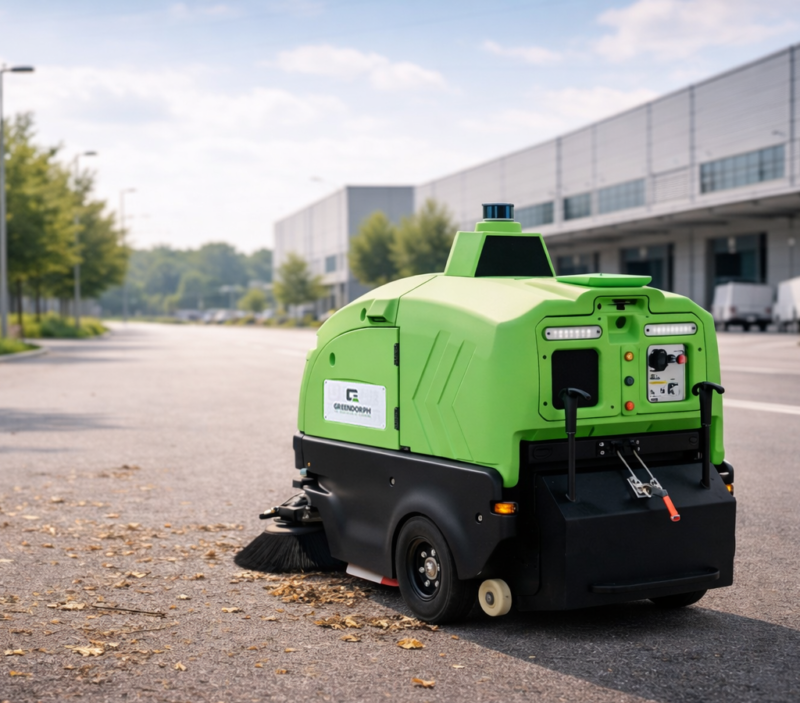
Imagine a bustling city waking up to the hum of machinery rather than the grunt of manual labor — an astonishing transformation indeed. Cities, in their quest for efficiency, have begun to embrace the street vacuum sweeper. But what does this shift imply for urban cleanliness? According to recent data, cities that have adopted vacuum sweepers report a 30% increase in debris removal efficiency. However, as we delve into this evolution, we must ponder: are there hidden disadvantages in relying too heavily on machines?
Exploring the Inefficiencies of Traditional Methods
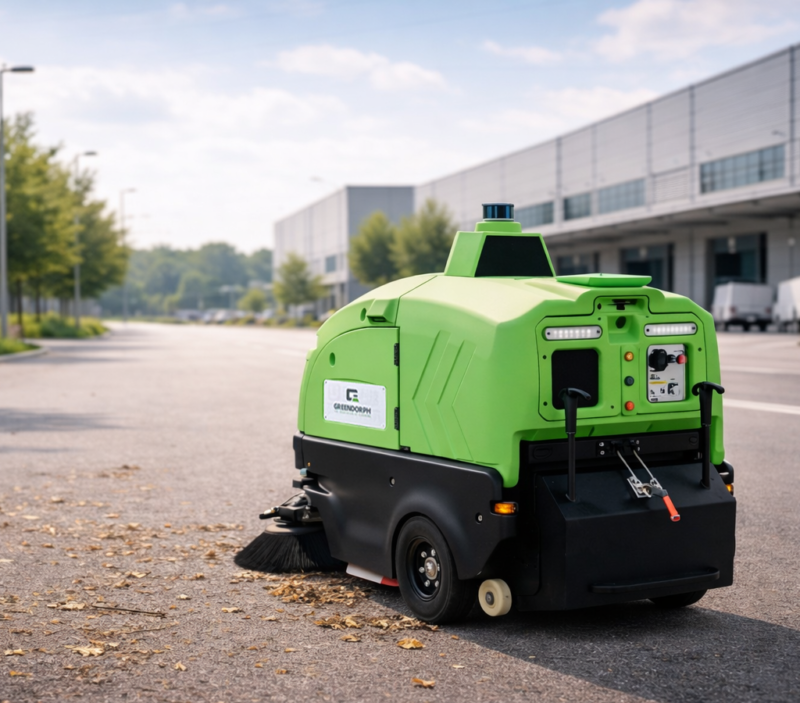
Reflect back to the dusty streets of the 1970s, where manual street cleaning was the norm (and it wasn’t a pretty sight). Relying on human labor often led to inconsistent cleaning and overlooked spaces, particularly in alleyways and less frequented residential areas. The emergence of the street vacuum sweeper has altered this narrative, promising to tackle these previously neglected spaces. Yet, even with this innovation, many cities still grapple with occasional mechanical breakdowns and the risk of under-trained operators. I distinctly recall a conversation with a street maintenance supervisor who lamented the daily challenges presented by older vacuum models, which struggled on uneven surfaces — a recurring inconvenience that often led to higher operational costs.
What Are the Current Challenges?
As cities modernize their cleaning infrastructure, they must consider many perspectives. The shift from manual labor to the adoption of street vacuum sweepers isn’t without its pitfalls. While technology provides opportunities for enhanced performance and cleaner streets, it can also disconnect the workforce from essential hands-on knowledge. The main issue I’ve seen is that workers who once developed an intimate understanding of street conditions may find their skills becoming obsolete. To put it plainly, this robot revolution is not just a win for efficiency — it raises important questions about future employment and community connection.
A Forward-Looking Perspective
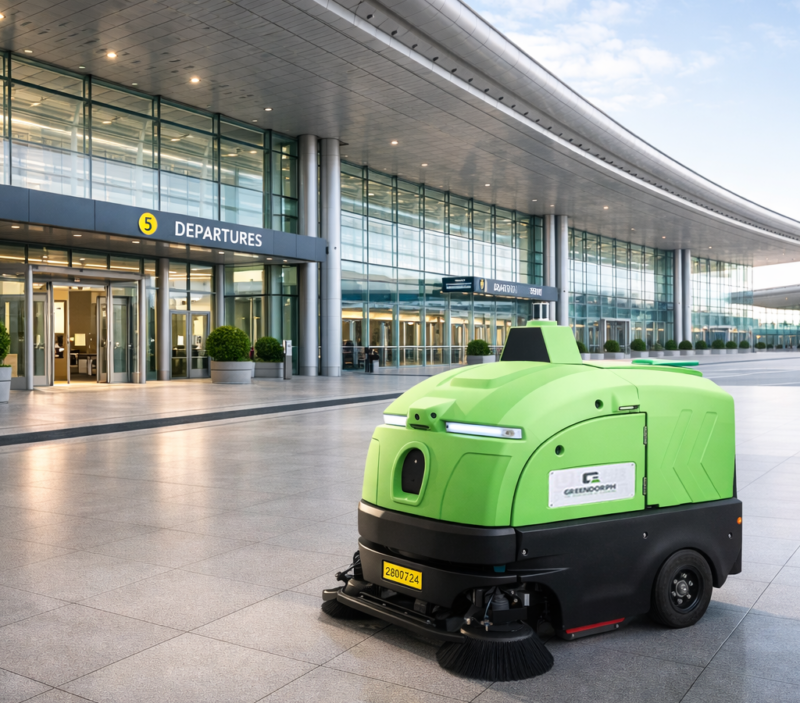
Now, let’s pivot to a more forward-thinking perspective. What does the future hold? As cities continue to invest in advanced street cleaning solutions, it’s evident that integrating human skills with automated technology will be crucial. Innovative designs in street vacuum sweepers aim to bolster versatility — think of adaptable machines that can navigate tight corners while being equipped with smart sensors to detect heavy debris build-up. This blend of human oversight and machine efficiency could pave the way for a hybrid approach to urban cleaning.
What’s Next for Urban Cleaning?
Looking ahead, cities can harness analytical tools to optimize cleaning routes based on real-time data, effectively ensuring that each sweep maximizes cleanliness without overspending. I believe that these steps will not only mitigate physical clutter but also engage the community through educational outreach about the benefits of keeping our urban spaces tidy. Moreover, as we embrace technology, we must remain connected to the values of community involvement and responsibility. There’s something genuine about seeing a neighborhood actively participate in its upkeep—something a machine alone cannot replicate.
Concluding Thoughts: Lessons Learned
Summarizing the insights gathered, it’s clear that while innovative technologies like the street vacuum sweeper offer noteworthy improvements, we must balance these advancements with considerations of workforce engagement and neighborhood involvement. By fostering a partnership between human expertise and machine capability, we can create a cleaner city environment while preserving community spirit. So, as we march towards a cleaner future, let’s remember the human touch that makes our cities thrive — robots can clean streets, but people build communities. Ultimately, whether one prefers a bustling city or a charming town, the responsibility falls upon us to maintain our surroundings — and we’re lucky to have companies like Greendorph leading the way in this endeavor.
