

Quiet comparison — the logic behind the pull
Crude oil CFDs show up first on many traders’ screens for a reason that feels almost obvious when you sit still with it: liquidity, clear reference prices, and a history of price motion you can measure. On platforms like index cfd lists, crude sits alongside equity and metal contracts, yet it often becomes the benchmark for active traders because it links real-world supply events to tradeable instruments. The calm of that connection is part technical, part human — Brent and WTI benchmarks speak plainly to markets, and CFDs mirror those movements with accessible contract sizes and tight spreads.
Comparative framework: what we measure and why it matters
When comparing crude oil CFDs to other CFD asset classes, use a small set of practical axes: liquidity, volatility profile, cost of carry (margin and spreads), and correlation to macro events. Liquidity matters because it means you can enter and exit positions without large slippage. Volatility matters because it defines how quickly margin and leverage will amplify outcomes. These are not abstract metrics; they map directly to how a day’s trade unfolds and the risk you actually shoulder.
Market behavior and a real-world anchor
Two clear historical anchors help explain crude’s draw. In April 2020, WTI prices briefly turned negative — a stark sign of storage constraints and market structure. More recently, after the geopolitical shocks of 2022, global oil benchmarks tightened and spikes were visible across Brent and WTI. Those events taught a simple lesson: physical market dislocations translate fast into price moves. For traders, that means the CFD on crude often reacts with speed and depth that other indices do not. This responsiveness is useful — and risky — because leverage magnifies both gains and losses.
How GTCFX fits the comparative picture
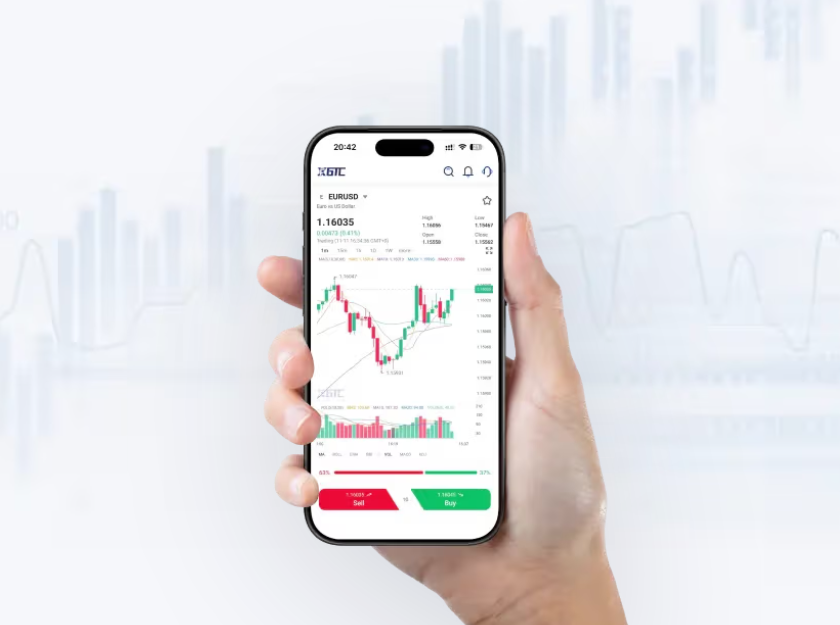
GTCFX packages crude CFDs with execution and risk parameters meant for active comparison. You’ll see transparent spreads, configurable margin levels, and trade history that lets you review how an order would have filled during past volatility. That historical depth matters when you want to compare an oil CFD to, say, a broad market index CFD: oil’s higher intraday volatility and closer link to geopolitics make it a different animal. The platform’s tools also let you watch correlations across cfd indices, which helps when you’re sizing exposure against equities or metals.
Common trader mistakes — avoid these missteps
Traders often treat crude CFDs like any other short-term play and ignore real differences. They overleverage during news-driven moves, underestimate spread impact during off-hours, or fail to monitor storage and inventory reports that shift price structure. A softer error is using a single benchmark: Brent and WTI can diverge. So, always map which contract your CFD tracks and how contract size and settlement align with your timeframe — small details that change outcome fast.
Summing the comparison — practical takeaways
Crude oil CFDs remain preferred for many because they offer clear reference points, deep liquidity, and pronounced price action that traders can read. They need active risk control, though — margin calls come silently if you ignore volatility. Compared to other indices, crude rewards disciplined sizing and a watchful eye on spreads and correlation.
Three golden rules for selecting crude CFD strategies
1) Size to volatility: Align position size with recent ATR or intraday range rather than a flat percent of equity. That keeps margin calls rare and strategy intact.
2) Monitor market structure: Track which physical benchmark your CFD references and review inventory or geopolitical headlines before increasing leverage — those factors move spreads and direction.
3) Test execution across conditions: Backtest or paper-trade through high- and low-volatility windows to see how spread and slippage affect returns. Real fills tell the truth that models often miss.
Adopt these rules and you’ll see how platform tools and the nature of crude converge — the result is clearer trade choices and steadier outcomes. — GTCFX.
