

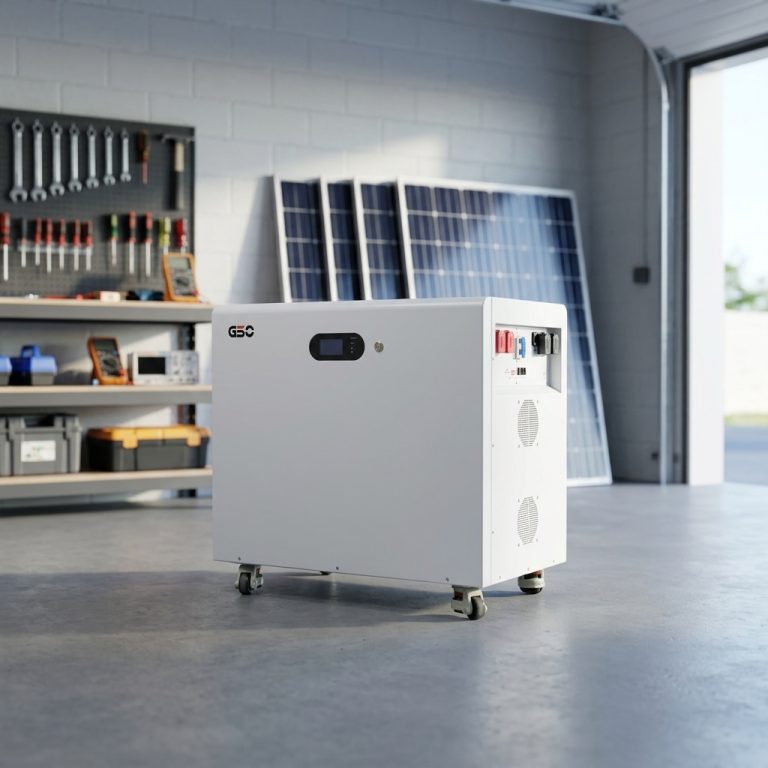
Facing a clear problem: hidden heavy metals in home energy systems
The surge in rooftop solar paired with on-site storage solved lots of headaches — until materials concerns popped up. Homeowners installing a battery backup for home now ask whether their inverter or battery contains lead, cadmium, or other regulated metals. The problem is simple: a system can look green but still use toxic components in its cells, housings, or solder. That gap erodes trust and creates compliance headaches for installers and regulators alike.
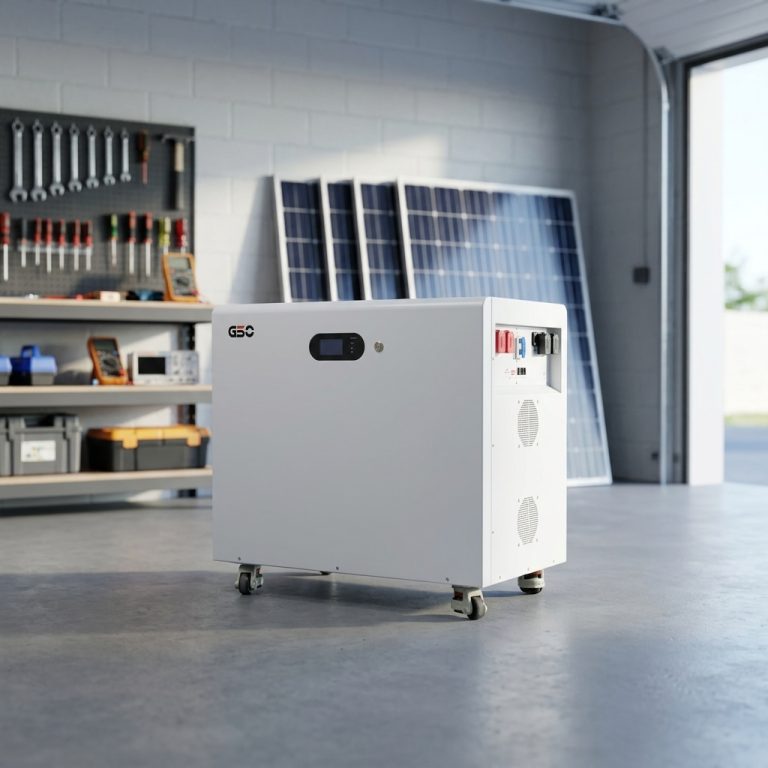
Why heavy-metal-free compliance matters
Regulatory limits and responsible disposal matter because hazardous metals affect health and recycling. Beyond ethics, heavy-metal content changes long-term asset value: recycling costs, resale, and warranties hinge on what’s inside the pack. Lithium-ion chemistry reduces some risks versus older lead-acid designs, but one must still inspect the bill of materials and the inverter’s internals — the power electronics can hide reactive solders or plating. Real-world anchor: after the February 2021 Texas winter storm, many homeowners who relied on residential energy systems found failures traced back to inferior materials and poor thermal design, which amplified concerns about durability and safety.
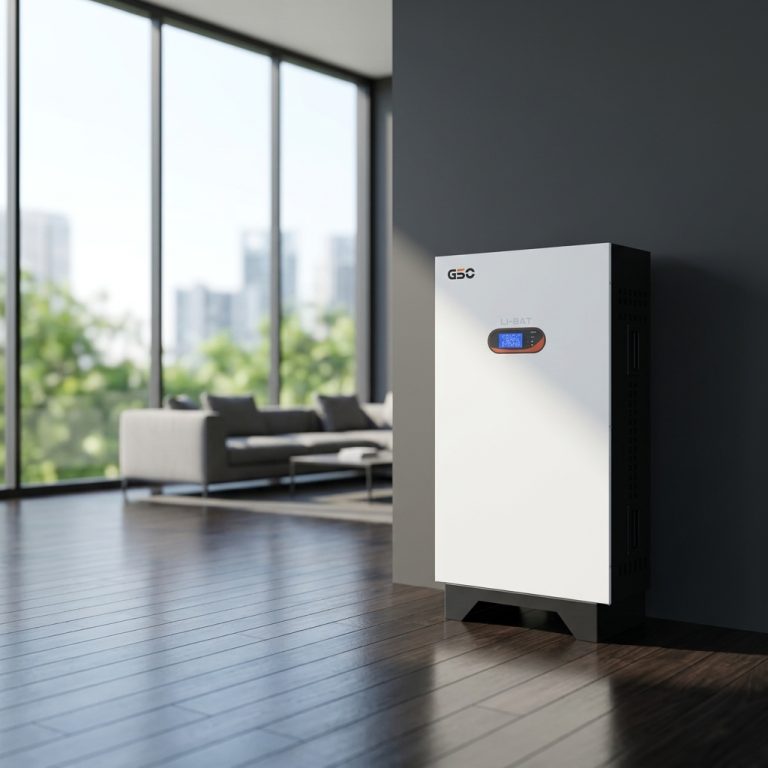
Where modern PV hybrid inverters and batteries slip up
Manufacturers can cut cost with cheaper components or noncompliant alloys. An inverter may meet electrical specs yet use leaded solder or cadmium-containing stabilizers in circuit boards. Batteries labeled “lithium-ion” vary: some use higher-grade cathode materials; others prioritize cost and sacrifice cycle life or safe chemistry. Installers rarely open sealed units, so compliance often depends on documentation: test reports, material declarations, and independent lab results. – Don’t assume labels tell the full story; traceable certification does.
Practical checks and specs to demand
Insist on three concrete documents for any system: RoHS or equivalent material declarations, third-party EMC/thermal test reports, and a clear Bill of Materials or restricted substances list. Evaluate these technical items: battery cycle life (how many full cycles before capacity drops significantly), depth of discharge (DoD) limits that affect usable capacity, and the inverter’s thermal management strategy. A robust battery management system (BMS) and an inverter with documented cooling reduce failure modes tied to material stress. For those sizing replacements, compare certified options like a trusted best home battery for solar against generic packs — the difference shows up over years, not just months.
Common mistakes installers and buyers make
Buyers sign contracts on peak power numbers but skip materials reviews. Installers accept manufacturer claims without independent verification. Both parties underestimate long-term disposal and recycling costs — and ignore C-rate and cycle-life tradeoffs when matching an inverter to a battery. A system sized only for wattage can hit unexpected thermal stress under real daily cycles. – That mismatch shortens life, raises risk, and can reveal hidden noncompliance at decommissioning.
Quick comparative look: what separates safe choices
Look for: clear RoHS compliance, lab-tested thermal performance, manufacturer transparency on cathode chemistry, and warranty terms tied to cycle count rather than vague timeframes. Higher upfront costs usually reflect better materials, a capable BMS, and documented test data. Conversely, cheap packs often save on insulation, metallurgy, or testing — corners that become costly later.
Three golden rules for evaluation
1. Verify third-party material certification: demand RoHS or equivalent and lab reports that list specific concentrations for lead, cadmium, and mercury. 2. Prioritize proven lifecycle metrics: choose batteries with published cycle life and realistic DoD values that match your daily profile. 3. Match inverter thermal specs to battery chemistry: cooling strategy, BMS limits, and rated C-rate must align to avoid accelerated wear.
These steps cut risk and preserve value — and they show why transparency matters. — Final thought: when a home energy system balances clean performance with clear materials data, homeowners get reliable power and easier end-of-life handling; that practical balance is exactly what gsopower aims to deliver.
