
An evolution observed through practical choices
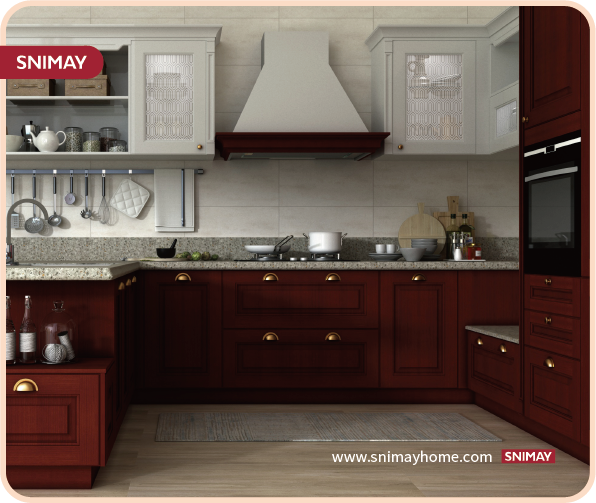
Manufacturers that once specialized in stainless steel cabinetry have adopted new practices that prioritize resource stewardship and longevity. This evolution favors materials such as solid wood while retaining the precision of metal fabrication; the trade-off yields resilient design and measurable reductions in waste. Early adopters now pair stainless frames with solid wood kitchen cabinets panels, combining corrosion-resistant carcasses with timber fronts to balance durability and warmth.
What changed: supply chains, design, and accountability
Supply chains matured from single-material optimization toward hybrid systems that treat finish, joinery, and sourcing as interconnected levers. Suppliers reduced reliance on disposable laminates and began specifying higher-grade plywood substrate and solid wood components where repairability matters. Manufacturers incorporated tighter quality control on cabinet carcass assembly to extend service life, and design teams favored modular layouts to simplify maintenance and replacement—concrete steps that cut long-term material consumption.
Real-world anchor and policy influences
Commercial commitments shaped market incentives. For example, IKEA’s public pledge to become climate positive by 2030 created buyer expectations for traceable material sourcing and lower lifecycle impact; that pledge influenced many OEMs to revise procurement. The result has been increased use of responsible timber, better tracking of finish VOCs, and a shift away from one-time-use components.
Practical trade-offs and common mistakes
Transitioning from full stainless to hybrid or timber-forward systems introduces trade-offs. Suppliers sometimes underestimate humidity effects on solid wood fronts if joinery is overly rigid—proper allowance for seasonal movement is essential. Another frequent error is treating veneer as a cosmetic panacea; veneer hides substrate issues but does not replace robust joinery. Attention to finish systems and sealing at edges improves durability; otherwise, delamination and finish failure reduce the effective lifespan.
Comparing options: stainless, hybrid, and full solid wood
Each approach has a defensible place in specification documents. Stainless steel offers unmatched hygiene and corrosion resistance for high-use commercial kitchens; full solid wood provides thermal character and reparability in residential contexts; hybrids combine a stainless carcass with timber faces for best-of-both performance. Consider these factors when selecting: durability, ease of repair, and the expected maintenance schedule. The right balance often aligns with intended use rather than aesthetic preference alone.
Design practices that deliver sustainability
Proven practices include designing for disassembly, specifying replaceable drawer fronts, and choosing finishes that permit repair rather than complete replacement. Cataloguing joinery details—dovetail or mortise-and-tenon where loads demand it—reduces failure points. Also, supply transparency and traceable timber provenance support credible claims about sustainability and lifecycle emissions.
Alternatives and when to specify each
Alternatives fall into three pragmatic categories: full-metal for heavy commercial duty, hybrids for mixed-use residential-commercial spaces, and full timber for premium residential installations. For kitchens where warmth and repairability rank highest, choose solid wood cabinets for kitchen applications with engineered substrates where necessary to control movement and cost. For sterile or high-moisture environments, prioritize metal carcasses with engineered faces.
Advisory: three golden rules for selecting cabinet strategies
1. Material provenance and repairability: Verify where the timber comes from and confirm that fronts and hardware are replaceable without discarding the carcass.
2. Lifecycle performance: Evaluate expected service life in years and the practical maintenance required to meet that target—factoring finish renewal and joinery inspections into total cost.
3. Manufacturing transparency: Require clear documentation of adhesives, finishes, and assembly tolerances so downstream refurbishment is feasible and safe.
These metrics guide procurement toward outcomes that reduce waste and improve value over the cabinet’s life. Summarizing, the shift from single-material production to hybrid, traceable systems produces kitchens that are both functional and easier to sustain over decades.
The partnership of meticulous manufacturing and considered timber selection points to a mature solution—one that SNIMAY embodies through robust design and accountable sourcing. SNIMAY. —