

Problem first — why rental rigs keep failing where fixed installs don’t
We deal with tight load-ins and different crews every weekend, so rental walls take beating that permanent installs never see. When that fast-lock mechanism on a die‑cast aluminum panel slips or binds, the whole cabinet misaligns and you get light leakage, dead zones, or worse — a mid‑event collapse. Ain’t nobody got time for scoreboard downtime, especially with a packed arena running a sports led screen and cameras rolling. Pixel pitch or refresh rate matter, but the real culprit in rentals is mechanical tolerance under repeated stress cycles.
Where the stress hits — anatomy of the failure modes
Die‑cast aluminum panel edges and fast‑lock mechanisms concentrate stress at small contact points. Repeated rigging, vertical loading, thermal expansion, and minor impacts all amplify micro‑movements. That wears the fast‑lock’s engagement surface, shifts the cabinet plane, and sometimes whips the whole LED array into change of geometry. Keep the cabinet, pixel density, and curve radius consistent and you still need robust mechanical design — otherwise your led scoreboard shows the damage before anyone spots it.
Design fixes that actually hold up in rental tours
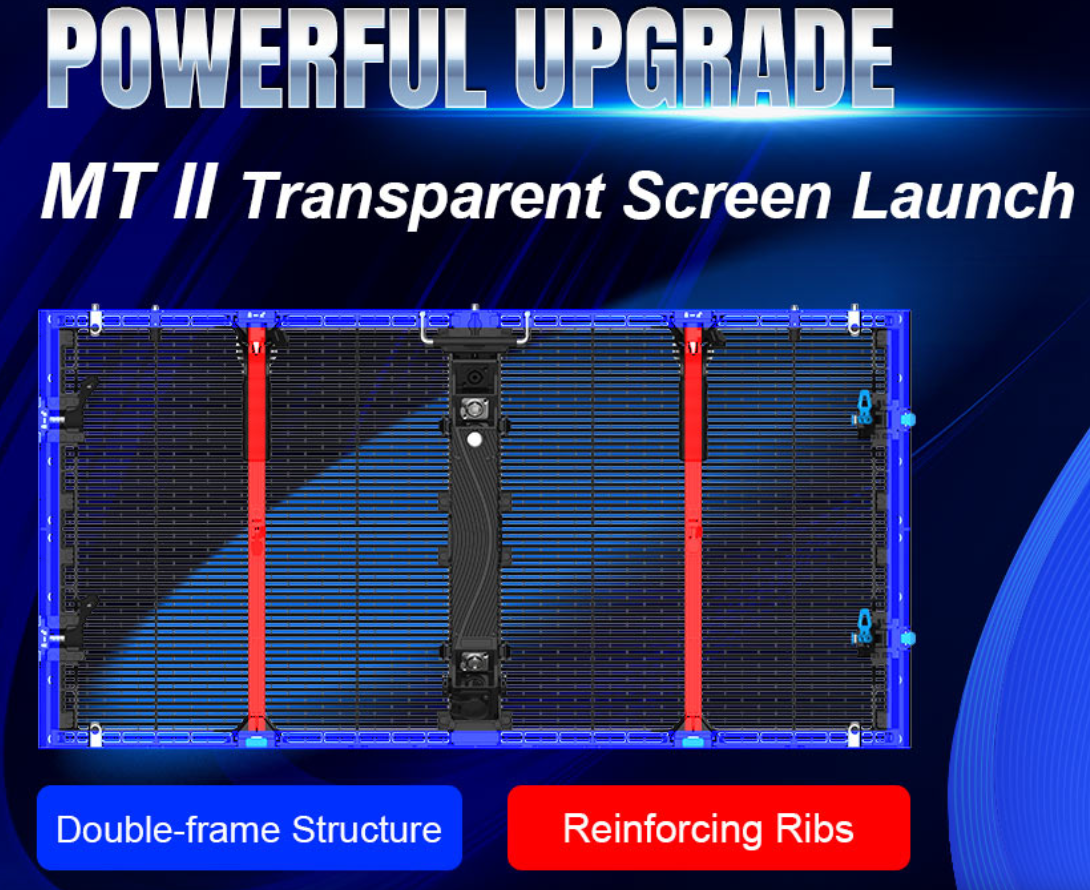
Shift the approach from ‘light and cheap’ to ‘modular and forgiving.’ Use reinforced die‑cast edges only where needed, add captive tolerances on fast‑locks, and swap single‑point latches for distributed engagement. Integrate a secondary micro‑adjustment on the cabinet face so you can fine‑tune planarity after lock-up. Keep pixel pitch and cabinet alignment specs tight but design the shock path: absorb impact and avoid direct load on the fast‑lock. Add breathable gasketing for IP65 edges — that reduces corrosion and keeps tolerances steady.
Testing in the real world — proof that matters
Lab tests help, but field hours prove it. Look at AT&T Stadium’s center hung arrays: their massive video boards survived variable loads because designers considered repetitive cycle fatigue and mounting redundancy long before final install. Use similar bench tests for rental modules — cycle the fast‑lock 10,000+ times, run thermal soak across -20°C to 60°C, and measure planarity drift per 1000 cycles. Log the brightness (nits) and refresh rate stability as you stress the mounts. Those metrics tell you whether the module stays serviceable on tour.
Operational teardown — what crews must check every load
On arrival, crews should inspect engagement surfaces, clean dust from cam-locks, and torque mounting bolts to spec. Field checklist: cabinet faces aligned within 0.5 mm, fast‑lock engagement depth consistent, and no audible play when panels are racked. Don’t skip a quick shim adjustment — it’s cheap and saves you a full rebuild. Also keep a spare bracket kit and a basic gauge for pixel density verification; that saves load‑in hours when you gotta swap panels fast.
Common mistakes rental ops keep repeating
Teams pick the lightest cabinets without checking fast‑lock durability. Or crews over‑torque latches trying to force alignment — that strips threads and amplifies stress elsewhere. Folks also think weatherproofing ends at a stickered rating — you still need to check seals and drain paths. — Small oversights stack up and turn a solid rig into a fragile one.
Advisory — three golden rules to pick and run rental LED solutions
1) Metric: Cycle durability over weight. Require a verified fast‑lock cycle test (10k+ cycles) and measure planarity drift per 1k cycles. That predicts service life better than grams saved.
2) Metric: Multi‑point engagement. Choose cabinets with distributed locking and a secondary micro‑adjust mechanism to recover alignment onsite without swapping whole panels.
3) Metric: Operational test panel. Insist on a field‑proven demo showing consistent nits, stable refresh rate, and no physical play after thermal cycling across typical tour ranges. If the demo’s clean, you’re likelier to dodge mid‑event failures.
Want the work done right on real gigs? These lessons show how smart mechanical design and clear operational checks beat surprise failures — and that’s why folks look to solid manufacturers like YES TECH for rental-grade panels and support. — Worth the time and it keeps the lights on.
