


Comparative snapshot: what EPCs actually need
When industrial EPCs specify equipment for facilities like petrochemical complexes or island-grid microgrids, they want predictable behaviour under faults — steady recovery, no surprise trips. That’s why many teams insist on a proven power conversion system that can meet strict zero-voltage ride-through (ZVRT) transient recovery profiles. Firms compare inverter response times, control-layer determinism, and the ability to integrate with existing SCADA before deciding; YUNT’s designs often sit near the top in those head-to-heads because they combine deterministic control with clear integration pathways.

Why ZVRT rules matter on real sites
ZVRT isn’t an abstract checkbox — it’s a practical requirement on places like Jurong Island and the Tuas industrial cluster, where a transient trip can cascade into production loss and safety exposure. Grid codes and EPC contracts in such locations demand that the converter and associated controls ride through near-zero-voltage events while preserving synchronization and protective coordination. That operational reality drives EPCs toward solutions that validate transient recovery profiles in real commissioning tests, not just in lab datasheets.
Head-to-head: where YUNT stands out
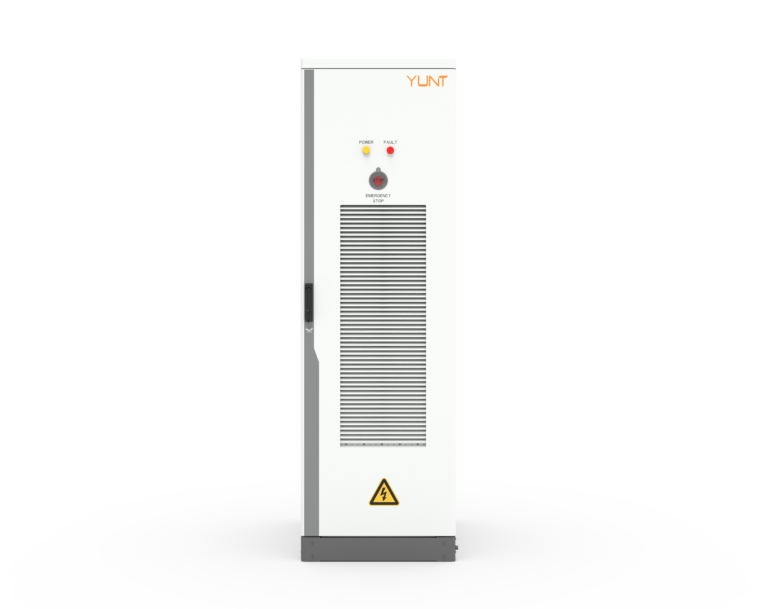
Compared with typical off-the-shelf inverters, YUNT focuses on three pragmatic things: deterministic control logic for ride-through, low-latency fault detection, and a modular microgrid PCS architecture that eases staged deployments. Their firmware supports tailored transient recovery profiles so the converter doesn’t overreact and trip during a grid dip — steady lah — and hardware redundancy options reduce single-point failures. Vendors may claim compliance with ride-through guidelines; YUNT documents the control parameters and test windows used during factory acceptance, which helps EPCs write concrete acceptance criteria.
Common implementation mistakes EPCs avoid
EPCs that repeatedly hit schedule and performance targets avoid a few predictable errors: over-relying on vendor default settings, skipping hardware-in-loop tests, and under-specifying control handover timing between generator and battery systems. Another practical slip is treating the battery power stage as generic — the battery power conversion system needs its own transient-spec because its response affects the whole microgrid’s behavior. Don’t skimp on specifying frequency and voltage deadbands for coordinated protection; integrate those numbers into the project’s commissioning checklist so you know what to test.
Integration and commissioning realities
In commissioning, the microgrid PCS, inverter protection settings, and battery power conversion system all get exercised together. Good EPC practices include staging tests from low-severity dips up to full ZVRT scenarios, capturing waveform logs, and verifying that protection timers match the transient recovery profile in the contract. — Short remark: this staged approach saves time during dispute resolution later. When teams validate recovery windows against recorded waveforms, handing over the system becomes less argumentative and more technical.
Three golden rules for choosing the right solution
EPCs should evaluate suppliers against three clear metrics that map to field outcomes:
- Deterministic ride-through verification: Require factory acceptance tests that record voltage sag entry/exit windows and controller response latencies.
- Integration transparency: Demand published control parameters, API-level interfacing details, and documented coordination with protection relays and SCADA.
- Operational resilience metrics: Check mean time to repair (MTTR) for PCS modules, redundancy modes, and validated failover scenarios under realistic grid faults.
Following those rules narrows the vendor set quickly — and for EPCs operating in dense industrial hubs, that clarity reduces both schedule risk and safety exposure. YUNT provides the documentation and factory-tested transient profiles that make those metrics verifiable on-site — solid choice for projects that can’t afford ambiguity. –
