

Immediate problem: inconsistent heat, emissions, and costs
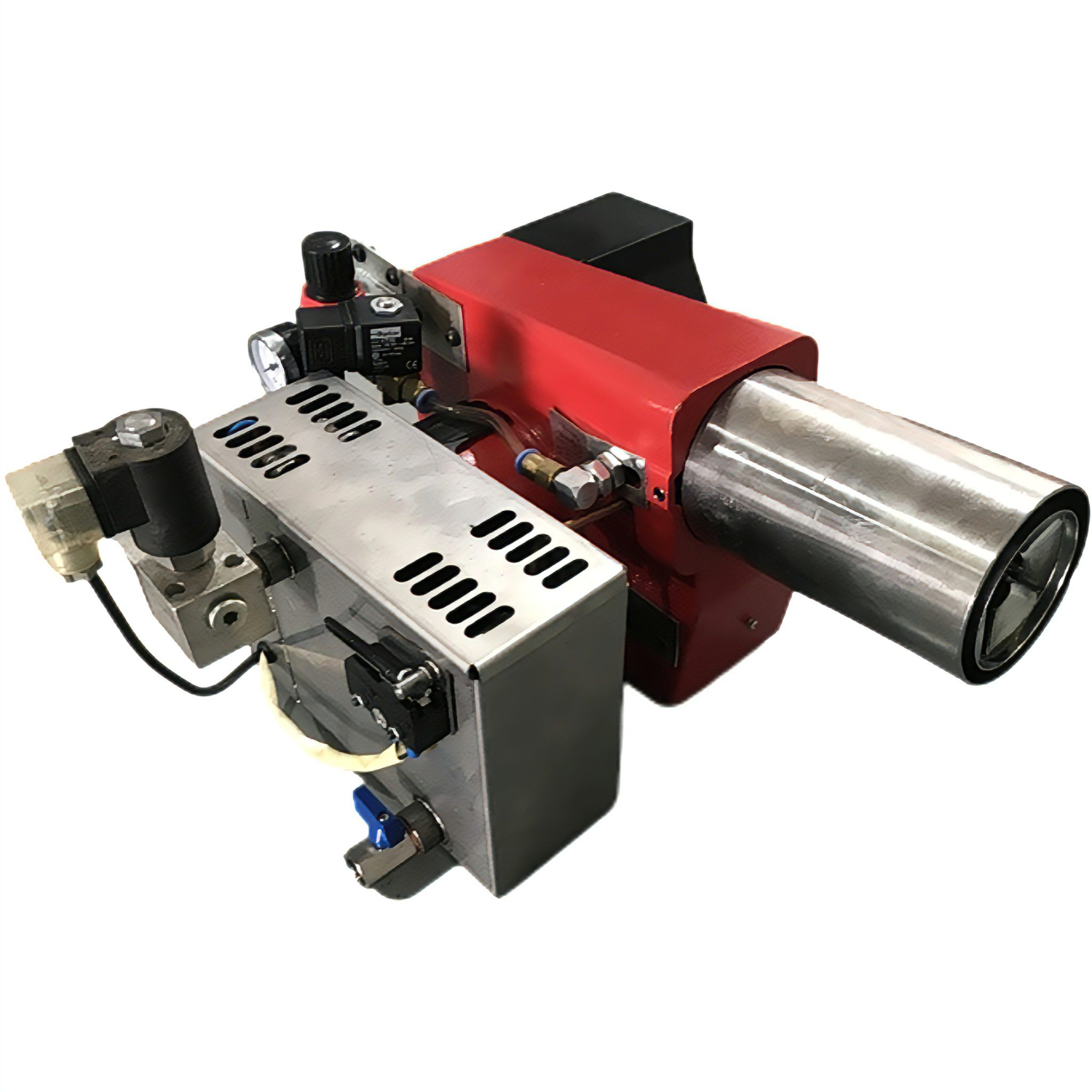
I start with what breaks first: a burner that can’t maintain stable flame or efficient combustion creates scale across a plant — uneven product quality, spikes in NOx and CO, and fuel costs that climb without warning. Facilities that try to burn low-value feedstocks often reach for an industrial waste oil burner as a quick fix, then find they’ve traded one problem for several if the burner isn’t matched to the process and control strategy.
Diagnostic checklist for the core failures
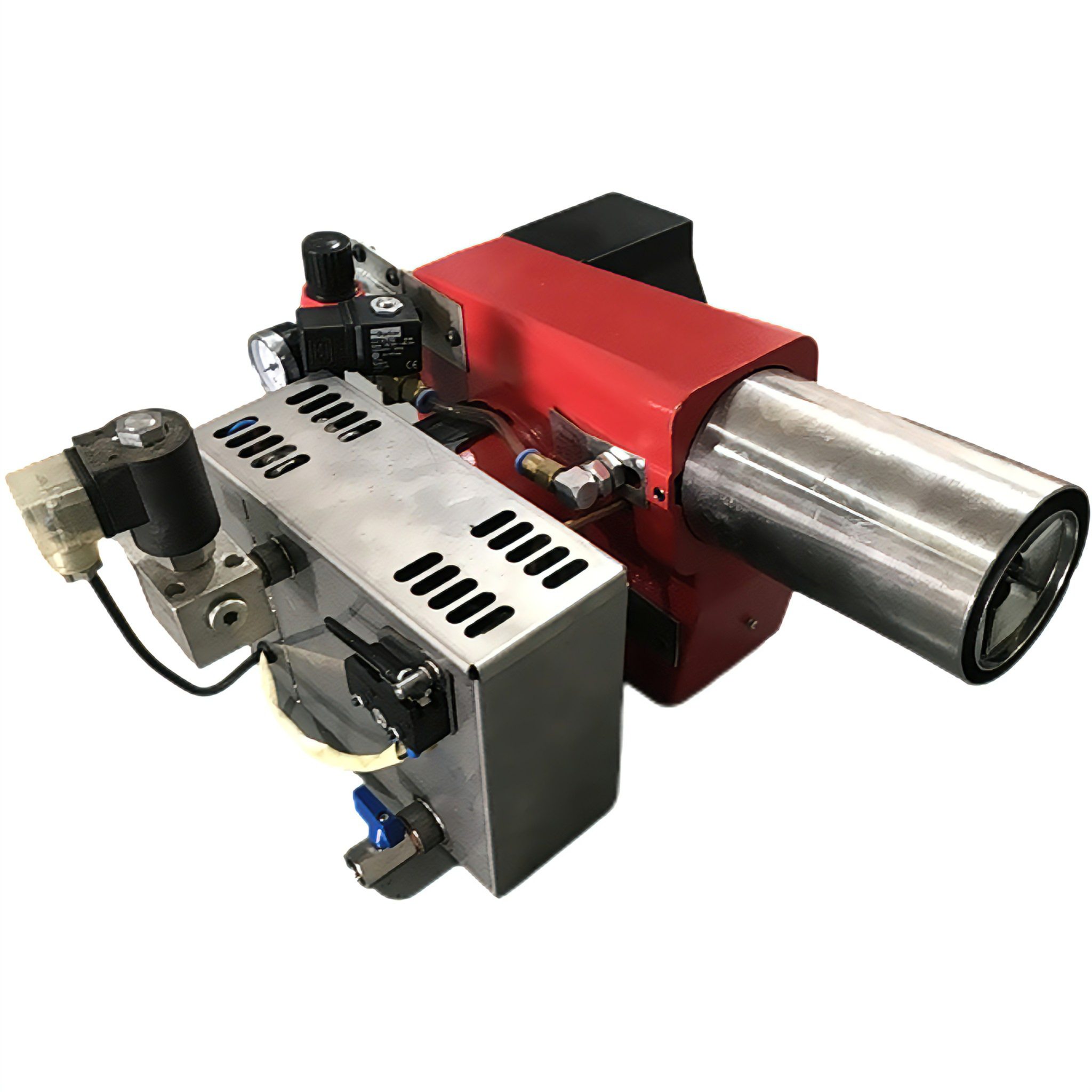
Assess four things immediately: fuel variability, flame control responsiveness, heat transfer integration, and emissions monitoring. If any of these lag, the system will produce intermittent overheating, incomplete combustion, or regulatory breaches. Measure: flame temperature variance, CO baseline, unburned hydrocarbons, and specific fuel consumption under load changes. Those metrics tell you whether the burner is the weak link or a symptom of poor ancillary design.
Root causes I see most often
Engineered solutions often fail because people ignore feedstock behavior and dynamics. Waste oils have variable viscosity, contaminants, and calorific value. Control systems are sometimes tuned for steady gas or diesel, not pulsing waste feed. Installation mistakes — wrong atomizers, insufficient preheating, undersized flues — shift a spec-grade burner into an operational hazard. Fix the interfaces first; a good burner is only as effective as the systems around it.
Field evidence: a practical retrofit example
At a municipal thermal plant near Rotterdam I led a retrofit where we replaced an under-specified burner and upgraded air-fuel modulation. The project centered on a single, certified waste oil incinerator module; the changes dropped transient CO peaks by more than half and reduced fuel consumption per ton of processed material. That real-world result came from matching burner turndown to feed variability and adding continuous emissions monitoring.
Selection criteria and technical priorities
Specify turndown ratio, atomization method, ignition reliability, control-loop latency, and maintenance accessibility. Prioritize burners with adjustable atomizers or dual-fuel capability if feedstock quality varies. Make sure the heat exchanger and refractory are sized for the new flame profile. Demand data outputs — not just alarms — so you can trend combustion efficiency and catch drift before it becomes failure.
Common pitfalls and how to avoid them
Avoid these mistakes: assuming one burner design fits all waste oils; undersizing preheating and filtration; neglecting boiler or kiln integration; and treating emissions monitoring as optional. Do not accept vendors’ steady-state numbers without dynamic test data. Build acceptance tests that simulate low, mid, and high calorific-value fuels and run them under realistic plant load transitions.
Alternatives and complementary approaches
If a burner swap isn’t feasible, consider co-firing with a stable fuel, modular pre-treatment to homogenize feedstock, or heat-recovery improvements to lower overall demand. Sometimes a modest control-system upgrade yields more benefit than an expensive burner replacement. Evaluate lifecycle costs, not just capex; a slightly pricier burner with lower maintenance and better turndown usually pays back faster.
Conclusion: where practical engineering meets durable value
Regional thermal systems fail or succeed on attention to combustion detail: match the burner to the fuel, measure the right variables, and harden the interfaces. That disciplined approach reduces emissions, stabilizes thermal output, and shrinks operating cost volatility. For vendors and specifiers who want products backed by site-proven performance and sensible service terms, a focused supplier relationship makes implementation straightforward—I’ve found reliable specification and post-sale support through companies represented on Career Burners.
