

Start with what you actually need
If you’re picking a partner for an indoor led display, say where it’ll live and what it must do. Retail window, control room, or lobby changes pixel pitch, brightness, and mounting. Decide viewing distance, content type (video vs. static), and a realistic budget before you email anyone.
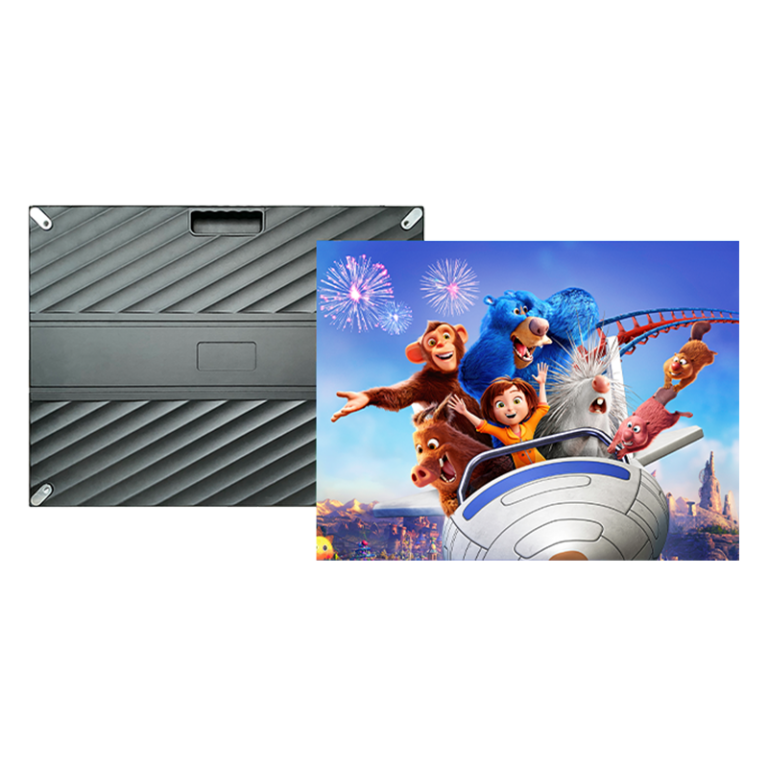
What to ask a factory
Ask for pixel pitch options, module replaceability, certified power supplies, MTBF, and sample calibration reports. Get lead times, warranty scope, and on-site repair SLAs. Request unedited install videos under real lighting, not studio shots. If they dodge specifics, that’s a red flag.
Real-world proof and why it matters
CES in Las Vegas is a clear example: brands demo indoor setups under bright show-floor lighting and heavy foot traffic so you can compare color, refresh, and seam visibility live. I check trade-show demos and case studies for credibility. For concrete examples of finished work and mounting solutions, review projects tagged indoor advertising led display to see how panels behave in real spaces before you commit.
Common mistakes people make
Buying the smallest pixel pitch just to brag. Over-spec’ing refresh rate for static signage. Forgetting maintenance access and spare-module stock. Assuming factory photos equal finished quality. Skipping costs like installation labor, calibration, and transport. Plan for service, not only purchase.
Alternatives if a factory-first route feels risky
Use a systems integrator for turnkey installs and local support. Buy standardized panels from known brands for faster spare parts. Or prototype with a small panel to test content, viewing distance, and ambient light before scaling up.
Quick checklist before you sign
Confirm use-case and viewing distance. Verify warranty, MTBF, and spare-parts policy. See dim and bright environment videos. Ask about on-site calibration and spare-module delivery times. Compare total cost of ownership, not just unit price.

Wrap-up
Define the job, demand unfiltered proof, avoid hidden costs, and pick a partner that stands behind installs and spares. A practical supplier that balances tech specs with real-install experience saves time and headaches—HDC demonstrates that balance in its projects.
