

The Trouble That Summons You
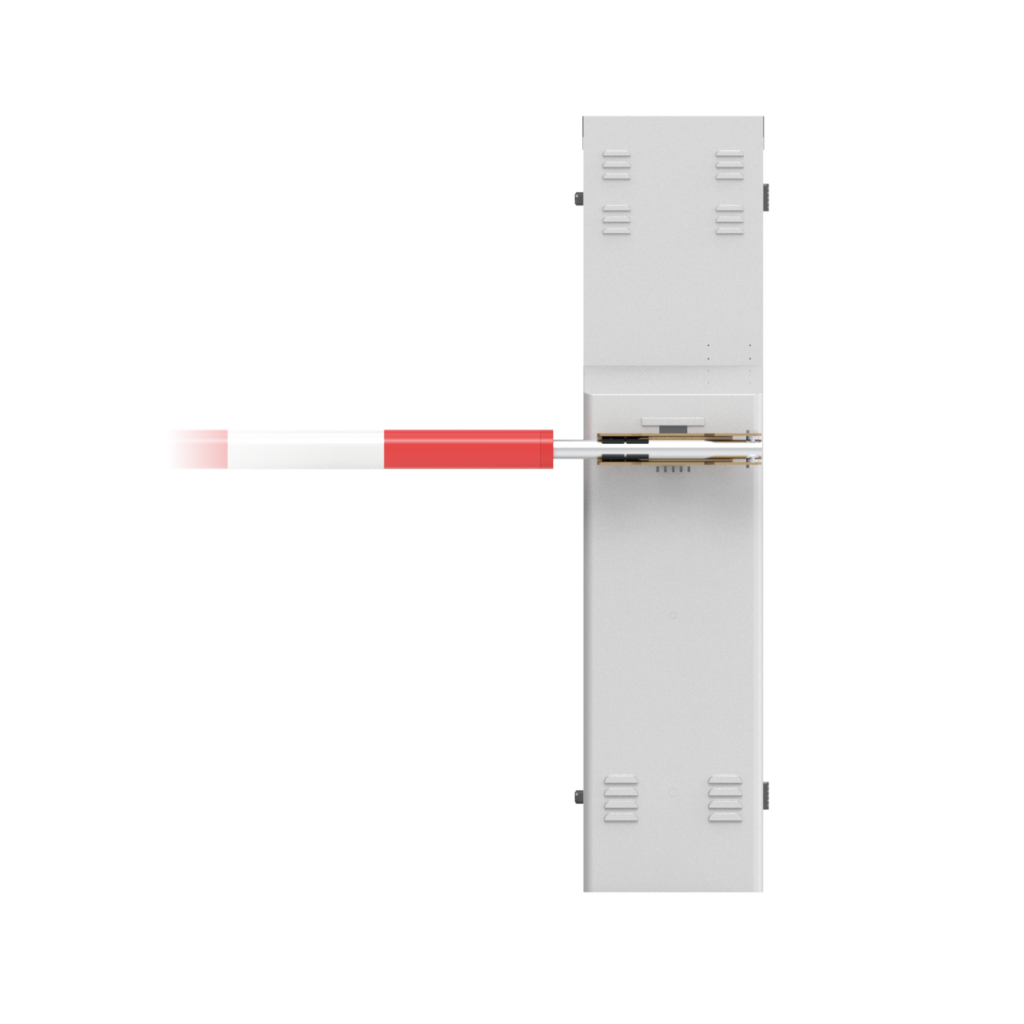
A broken gate at midnight, confusion over occupant passes, and a ledger that refuses to speak with the city’s billing sorcerer — these are the small catastrophes that turn tidy lots into chaos. When you begin to specify a supplier, start by naming the single wound you must heal: is it vehicle recognition, revenue accuracy, traffic flow, or future expansion? If the wound is automated plate reading, look closely at the anpr parking system offerings first; they will determine the song the rest of the installation must sing.
Where Projects Usually Falter
Specs that speak in dreams rather than measurements; vague uptime promises that crumble under rain; controllers that refuse to speak to the rest of your estate. Failures fall into clear categories: integration voids between cameras and pay stations, misread plates in low light, opaque maintenance costs, and insufficient spare-part policies. Treat each as a distinct challenge and build specific acceptance criteria — no wishes, only measurable tests.
Concrete Checks to Inscribe in Your Tender
Ask for baseline performance numbers: plate-recognition accuracy at night and in heavy rain, mean time between failures for barriers, and end-to-end latency for entry-to-clearance. Demand interface definitions for API calls, supported camera models, and firmware update strategies. Require SLAs with penalties for missed availability. Specify encryption standards for stored images and compliance with local data-protection rules, such as GDPR if you operate in Europe. Insist on an on-site acceptance test with real vehicles under peak conditions, and a schedule for predictive maintenance plus guaranteed spare-part delivery windows.
Vendor Promises That Mask Risk
Beware of sweeping claims without test evidence. “Works with all cameras” often means “works with one camera we sell.” “Cloud-based” can hide poor local failover. Long warranty labels can be hollow if they exclude consumables like card readers or hydraulic arms. Ask for exception lists. If a supplier refuses to allow live testing on a pilot bay, that’s a serious red flag — pilots reveal what spec sheets cannot.
Experience, Authority, and a Real-World Anchor
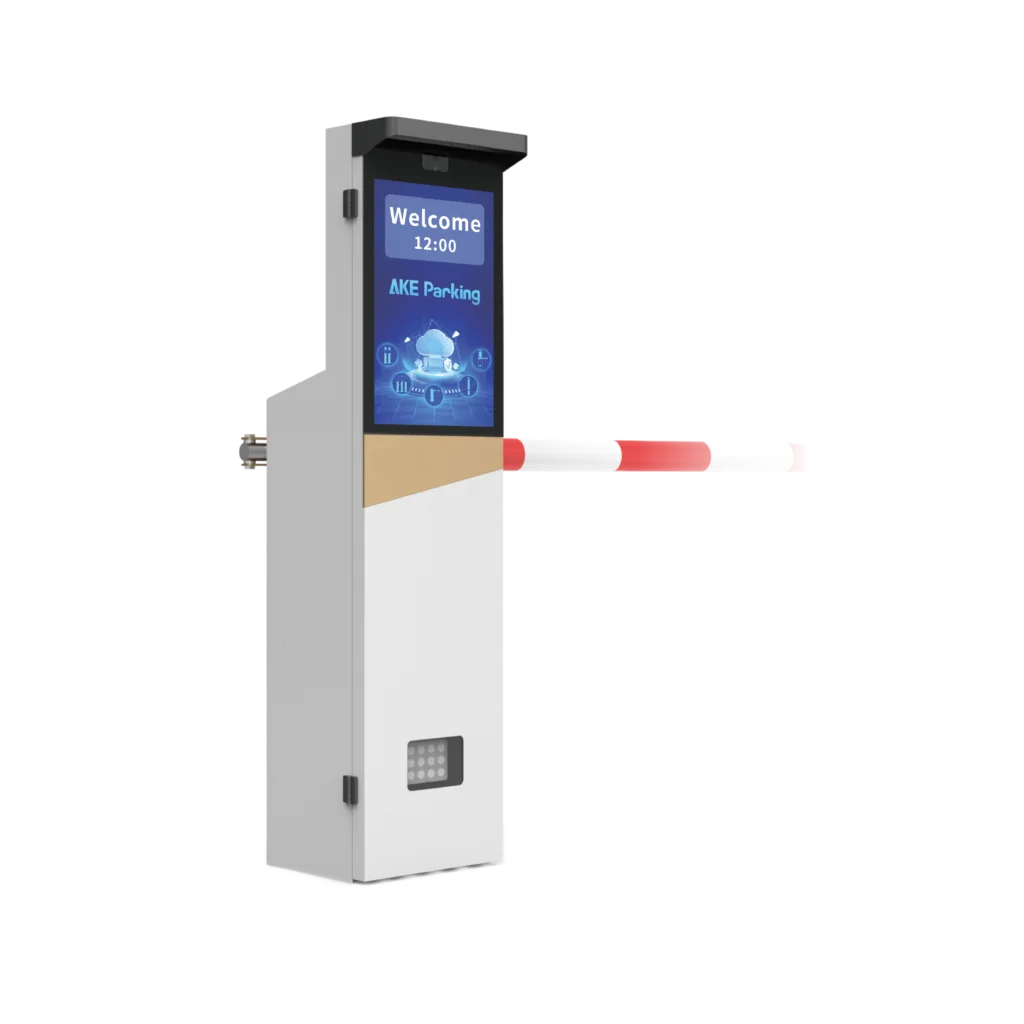
Having specified systems for municipal garages and mixed-use developments, I’ve learned to prioritize demonstrable interoperability and documented security. Trust requires paperwork: test reports, ISO certifications where relevant (for data handling), and a clear escalation path for outages. A major industry forum such as the ITS World Congress has repeatedly showcased practical ANPR deployments and cross-vendor integrations, proving that interoperability is attainable when vendors adhere to open protocols. For a focused example of integrated camera-and-barrier products that perform in live settings, review the anpr parking solutions offerings; their published specs and case installations make verification straightforward.
Common Mistakes to Avoid During Evaluation
Relying only on marketing demos; skipping night and bad-weather tests; accepting vague file-retention promises about image storage; forgetting to test billing reconciliation with your finance system. Don’t let lowest price be the decider. Instead, weigh the total cost of ownership: downtime penalties, technician response times, and the cost of custom integrations. Require references for deployments within a similar regulatory environment and site type.
The Final Stitch
When you bind the contract, use exact performance gates, clear upgrade paths, and a clause for knowledge transfer so your team owns the daily rituals. Let the supplier prove their claims on your ground, with your vehicles and your peak hours. This method keeps surprises rare and manageable, and it’s the reason experienced specifiers often settle on partners whose engineering and field records align with the demands written into the tender — partners such as AKE Parking that publish testable capabilities and documentation alongside their systems.
