
Introduction
I was in a small shop last year watching a machinist wrestle with a stubborn job, tools clanking and tension in the air — that scene stuck with me. Now, when I talk to vertical machining center manufacturers I keep that shop in mind: real people, tight deadlines, and machines that can’t act like they got all the time in the world. Recent industry numbers say downtime still eats up 10–20% of productive hours for many shops (and yes, that hits budgets hard). So how do you pick the maker who won’t leave you hanging when a deadline looms? I’ll walk you through what I look for and why it matters — one honest step at a time.
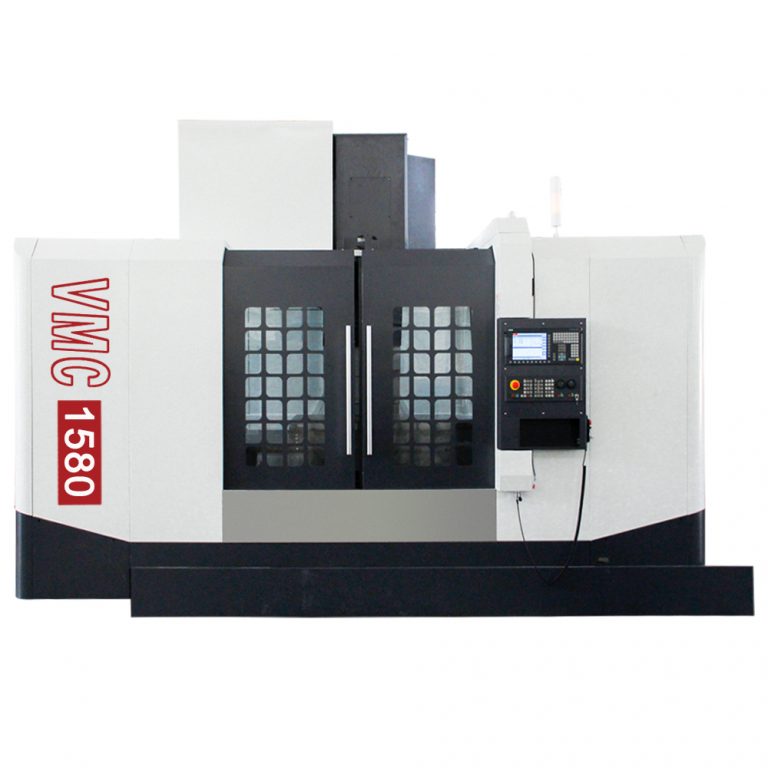
Why Old Fixes Fail: Deep Flaws in 5 Axis Deployments
Let’s get specific. The trouble starts when shops buy a 5 axis vertical machining center because it sounds impressive, then realize its real-life weak spots. I’ve seen systems where spindle speed looks great on paper but stalls under heavy cut. Tool changer jams at the worst moment. Linear guideways wear faster than expected when setup or coolant choices are sloppy. These aren’t rare complaints; they’re patterns. When I dig in, two causes repeat: overpromised specs and under-tested workflows.
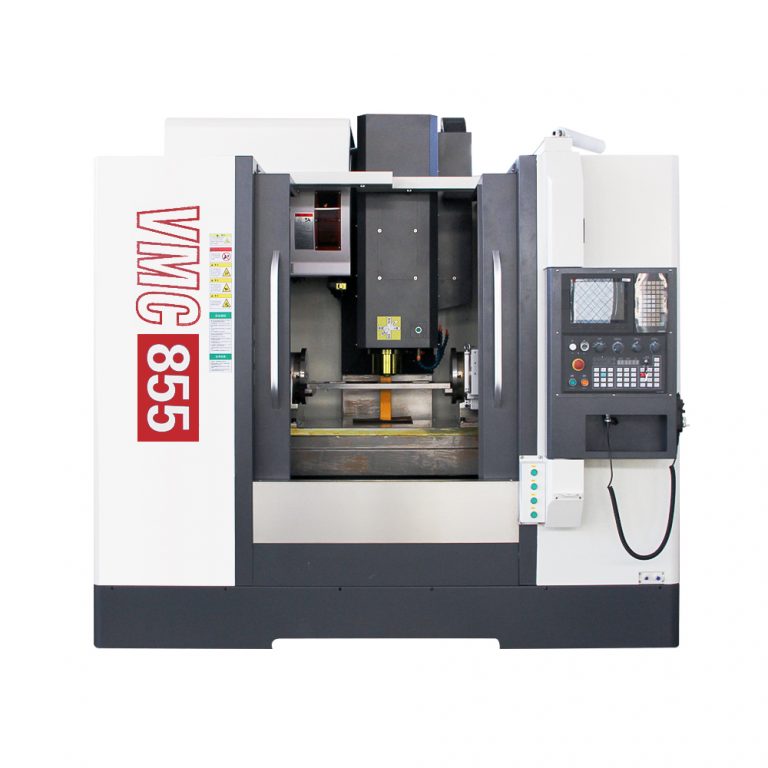
What breaks first?
First, control tuning is often left generic. A machine’s servo motors might be fine, but without proper servo tuning and feed optimization, you get chatter. Second, maintenance plans miss the mark. Shops skip simple checks on the ball screw and coolant system until problems escalate. Third, integration gaps — the machine may not talk cleanly to tool management or the shop’s CAM strategy. Look, it’s simpler than you think: you want a machine where the hardware and software are tuned together, not sold as separate miracles. — funny how that works, right?
New Principles and How I Measure CNC Vertical Machining Center Value
What’s next is about principles, not buzzwords. I now judge future buys on predictable behavior: consistent tolerance, easy maintenance, and clear support. New designs focus on smarter thermal control, better tool-path verification, and modular subsystems so a single failed part doesn’t cripple the whole line. When I review a machine I test its subsystem resilience and check whether the manufacturer provides simple diagnostics. Wait — that last bit saves you so much time.
What’s Next
For practical picks, consider these 3 evaluation metrics I use every time: 1) Mean time to repair (how fast a shop gets back running when something fails), 2) Actual achieved tolerance under load (not just a spec sheet figure), and 3) Support clarity — manuals, remote help, and spare parts lead time. I want a partner who gives honest run charts and who will walk a tech through a fix on the phone. That matters more than pretty brochures. In short, pick machines and partners that let you sleep a little better at night. — and yeah, I’ve seen the relief on faces when that happens.
For reliable options and clear specs, I often point people toward vendors like Leichman, who back claims with service and hands-on help. I stand by that approach because I’ve watched it save shops time and money.