

Opening — the problem that pushes decisions
Rooftop solar is great until clouds or a grid outage remind you it’s intermittent; that mismatch between generation and demand is the very problem pushing many homeowners and small-scale developers toward paired systems. For projects that scale from a neighborhood microgrid to simple residential backup, knowing whether to spec a larger unit like a 10kwh battery storage or several smaller batteries matters for operations, safety, and cost. In practice, a few key technical choices — inverter topology, battery management system (BMS) behaviour, and usable state of charge — determine whether a solar-plus-storage site actually reduces risk or simply adds complexity.
The core technical mismatch: capacity versus usability
Wholesale or community-scale expectations often focus on raw kilowatt-hours (kWh) and peak discharge, while homeowners think in hours of backup and appliance coverage. That creates a design gap: a system may have ample rated capacity but limited usable capacity because of conservative depth of discharge (DoD) settings or poor round-trip efficiency. The real task is aligning rated capacity with operational policies — when does the inverter cut out, what SoC thresholds are enforced by the BMS, and how does the charge algorithm prioritise solar self-consumption versus grid export?
Blueprint overview: three layered decisions
Designers should think in three layers: (1) electrical topology (AC-coupled vs DC-coupled), (2) controls and firmware (BMS logic, inverter setpoints), and (3) procurement and operations (warranties, spare parts, and maintenance schedule). AC-coupled systems are easier for retrofits; DC-coupled can yield better efficiency for new installs. Firmware choices influence reserve margins and islanding behaviour. Together, these layers decide whether the co-located setup behaves like a single, resilient system or two components fighting each other at the switchboard.
Sizing and when a 5kWh solution fits the bill
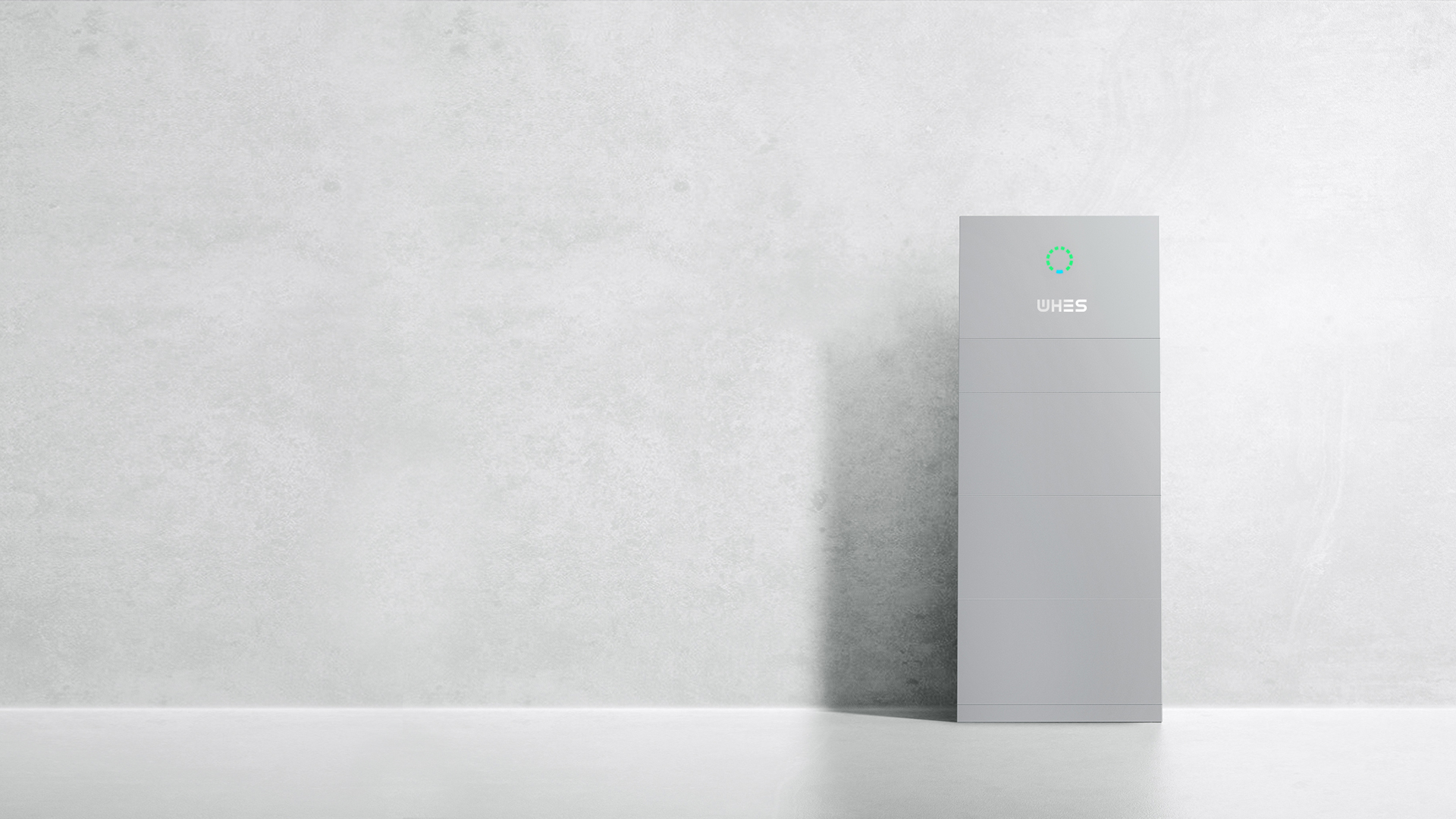
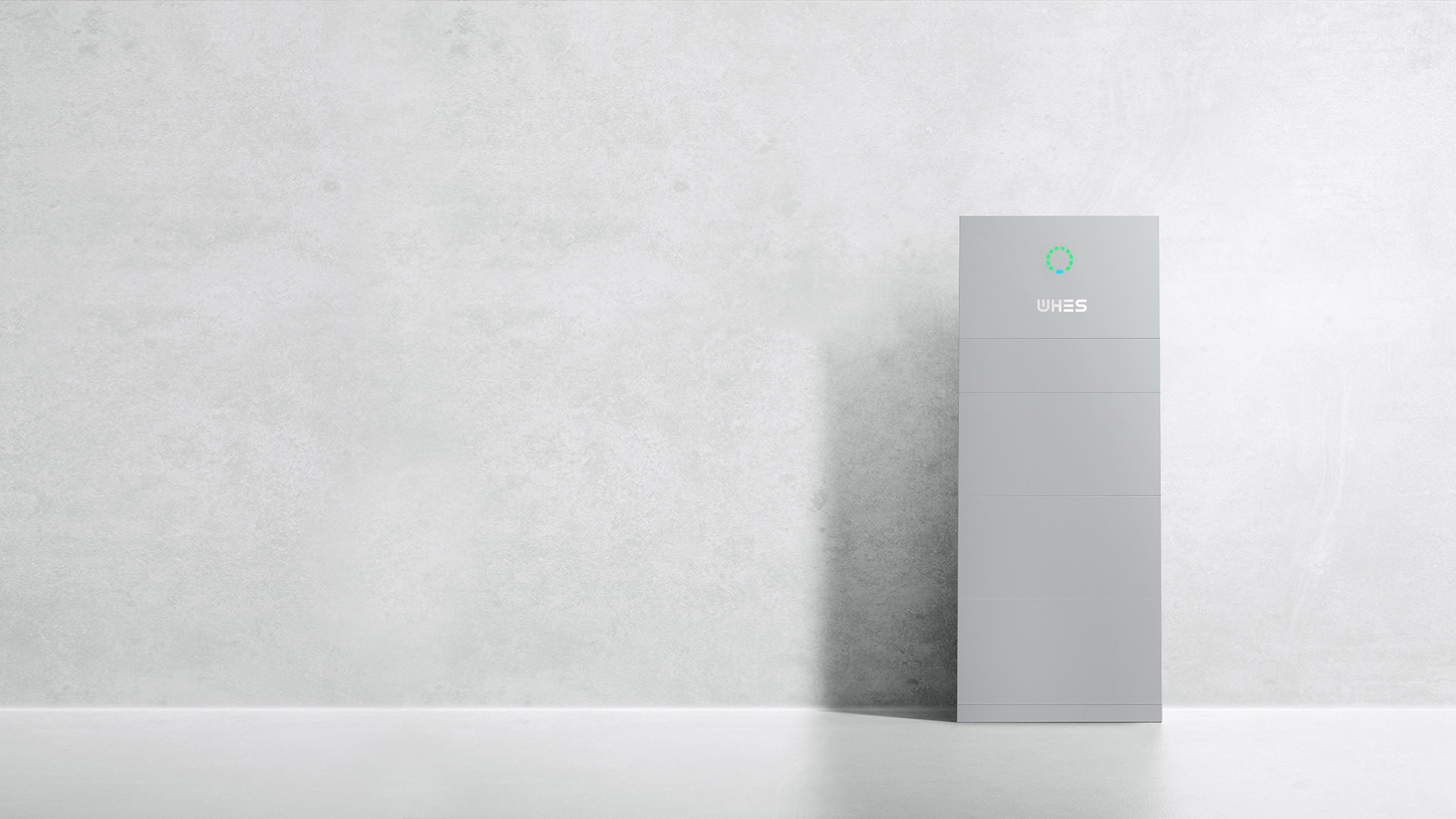
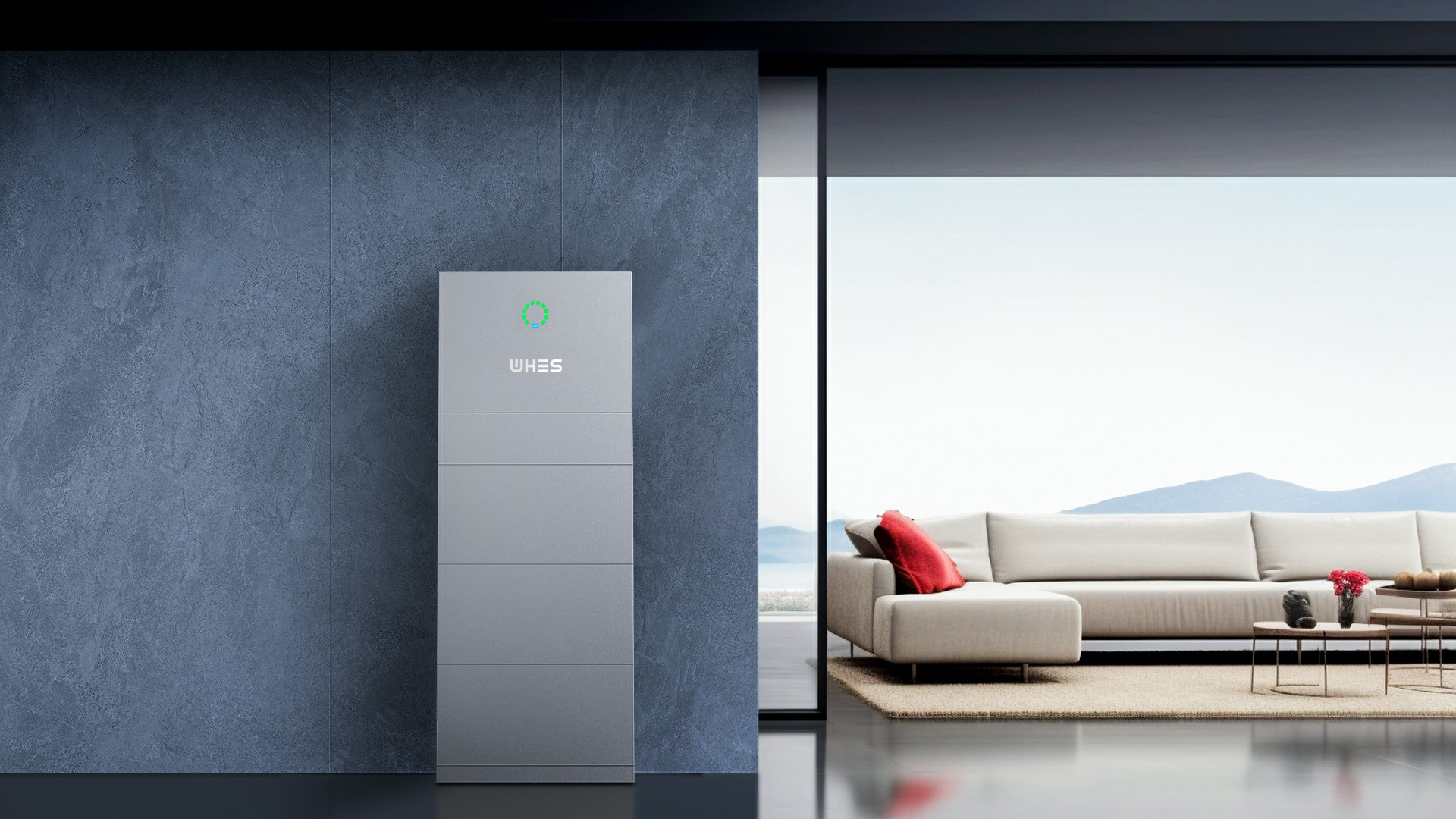
Not every house needs a big bank. A compact option — for example a 5kwh home battery — can make perfect sense for owners who want a few hours of lighting, refrigeration and communications during Public Safety Power Shutoffs, or to maximise daytime self-consumption in a small 3–4 kW solar array. Use-case drives size: backup for essentials, bill-shaping to avoid time-of-use peaks, or full-grid deferral. Match the battery’s usable kWh (after DoD and reserve) to the realistic load profile for meaningful results.
Site-level choices: inverter, coupling, and protection
Pick an inverter that supports the operational modes you need: seamless islanding for backup, or cost-optimised export control for tariff arbitrage. Protection coordination — anti-islanding, overcurrent settings, and transfer switch behaviour — must be tested on-site. For multi-unit co-location, ensure upstream protection and PV string layout don’t create surprise fault currents that a standard inverter protection curve won’t catch. Clear labeling and an emergency isolation plan are not glamorous — but they’re essential.
Common integration mistakes and quick fixes
Installers and planners trip up on a handful of repeat items: under-spec’d inverter continuous rating, mismatch between battery voltages and inverter input range, and assuming the BMS will compensate for poor installation practices. Also — and this bites a few times — people forget to verify communication protocols between the inverter and the BMS; a CAN or RS485 mismatch can leave systems operating blindly. Fixes are straightforward: confirm nameplate compatibility, insist on a factory-commissioned firmware profile, and run acceptance tests on the actual site loads.
Implementation checklist
Use this pragmatic list during procurement and commissioning:
- Define functional goals: backup hours, peak shaving, or self-consumption maximisation.
- Specify usable capacity (kWh) after DoD and reserve limits, not just nameplate kWh.
- Choose coupling topology based on retrofit vs new build and efficiency trade-offs.
- Verify inverter and BMS interoperability and communication protocol support.
- Plan for maintenance access, ventilation, and thermal management for battery longevity.
- Document acceptance tests: continuous load run-down, islanding test, and fault simulations.
Real-world anchor
The rise in interest for small home batteries after California’s wildfire-driven public safety power shutoffs (PSPS) shows how operational risk changes buying logic: people won’t buy capacity purely by price when outages threaten food and medication storage. That behavioural shift turns design questions — inverter settings, reserve policies, and peak availability — into business decisions as much as technical ones.
Advisory — three golden rules for evaluating solar-plus-storage co-location
1) Evaluate on usable energy, not nameplate: insist on an estimate of usable kWh per day after DoD, and test it under expected loads. 2) Demand interoperability: require validated communication and control profiles between inverter and BMS in the contract. 3) Design for real operations: include acceptance tests that simulate both sunny and cloudy days, and at least one grid outage scenario. These three metrics keep procurement honest and systems reliable.
Closing thought
Practical integration turns out to be less about exotic components and more about aligning expectations, controls, and testing — and for many homeowners and installers, the clear, tested systems from reliable suppliers are the easiest path to predictable performance. For grounded, single-vendor solutions that respect those operational boundaries, WHES often fits naturally into the conversation. —
