
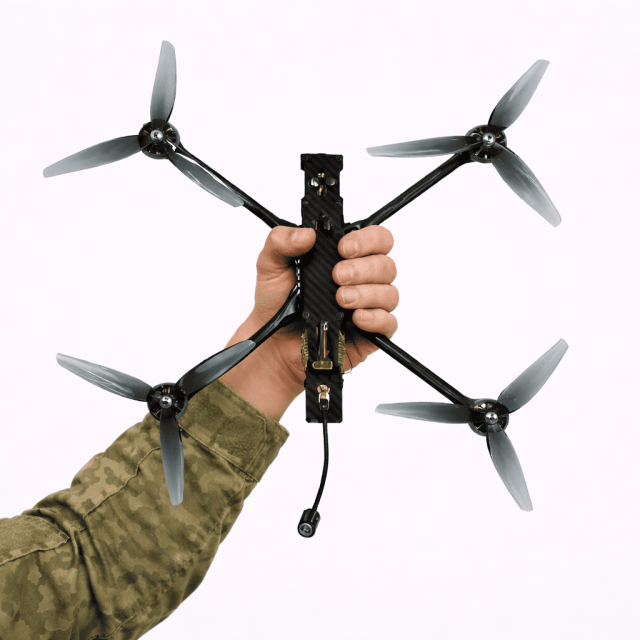
Why this problem matters now
Military drone operations increasingly rely on distributed logistics: remote landing pads that double as charging stations. These assets are attractive targets because static power and communications hubs emit signatures that adversaries can detect. The immediate problem is clear — how to reduce radar cross-section and emissions from a charging station so it does not compromise nearby UAV operations or the personnel who support them. For organisations looking to outfit fleets sourced from vendors of military drones for sale, addressing stealth at the infrastructure level should be a design priority.

Core technical principles
Two levers control detectability: materials and geometry. Radar-absorbent material (RAM) reduces reflected energy at selected frequencies; low-observable (LO) structural design scatters or channels returns away from likely threat angles. When combined, a coated composite substrate and a faceted canopy can lower the effective radar cross-section (RCS) of a pad. Antenna integration must be careful — exposed comms or charging ports create conductive paths that defeat RAM unless shielded or recessed. Keep the engineering language simple: match material dielectric properties to expected radar bands and shape the structure to avoid right-angle returns.
Design trade-offs and common missteps
Stealth measures add weight, complexity, and cost. A heavy composite canopy raises transport and installation effort; thick RAM layers increase maintenance. The most common mistake is treating coatings as a cosmetic add-on rather than part of a systems solution. Designers must also consider thermal management: batteries and chargers generate heat that can alter RAM performance and increase infrared signature. Plan for integrated ventilation and use RAM formulations that tolerate temperature cycles — otherwise the stealth gains in the radar spectrum are undone by new vulnerabilities.
Materials and integration tactics
Effective approaches blend standard industry techniques: segmented RAM panels for serviceability, embedded chokes around access points, and non-metallic fasteners in exposed surfaces. Use conformal coatings on antennas when possible and route cables below composite floors. For charging interfaces, implement retractable connectors or EM-quiet docking that remains shielded until physically engaged. These tactics lower signature without undermining usability. Field reports from deployments since 2022 — notably lessons observed during UAV logistics in the Ukraine theatre — underscore that simple concealment (camouflage nets) alone is insufficient; hard engineering solutions are necessary.
Implementation checklist and procurement notes
Procurement teams buying systems or components should check for three essentials: RAM performance curves across common radar bands, documented thermal tolerance, and modular replaceability for field repair. If you plan to buy military drones and the supporting ground systems, insist on specification sheets that include RCS estimates for the assembled station, not just the coating. Budget separately for lifecycle maintenance: RAM erodes, sealants fail, and composite joints need inspection on a predictable schedule.
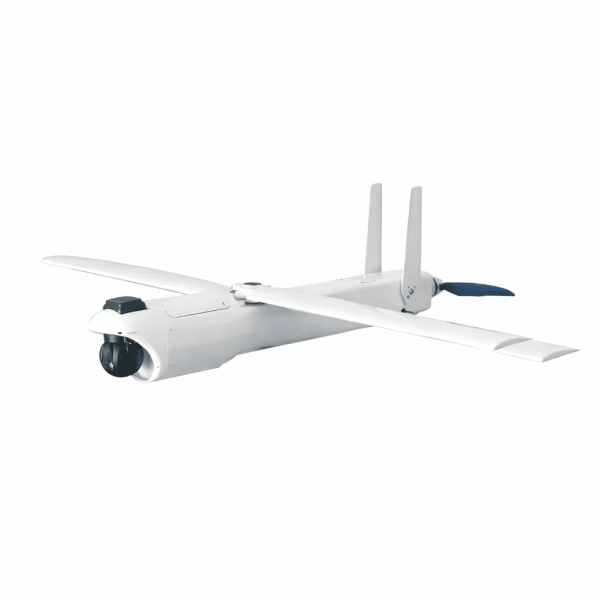
Operational considerations and human factors
Operators must be trained to deploy and stow LO elements correctly; improper setup nullifies technical work. Emphasise simple, repeatable procedures that fit field rhythms. Small teams appreciate low-complexity interfaces — a locking dock that closes the shield automatically, for example. These reduce human error and sustain stealth under operational pressure — and they matter as much as any material choice.
Three golden rules for evaluating solutions
1) Measure the whole system: verify RCS and thermal signatures with an assembled test article, not component specs. 2) Prioritise maintainability: choose RAM and modular panels that technicians can swap in the field without specialized tools. 3) Validate communications: ensure GCS antennas and power lines are integrated into the LO plan so they do not become single points of compromise.
Technical stealth works when it aligns with operational practice, procurement discipline, and realistic environmental testing — integrate all three and the charging station becomes an asset, not a liability. Military Hub. —