

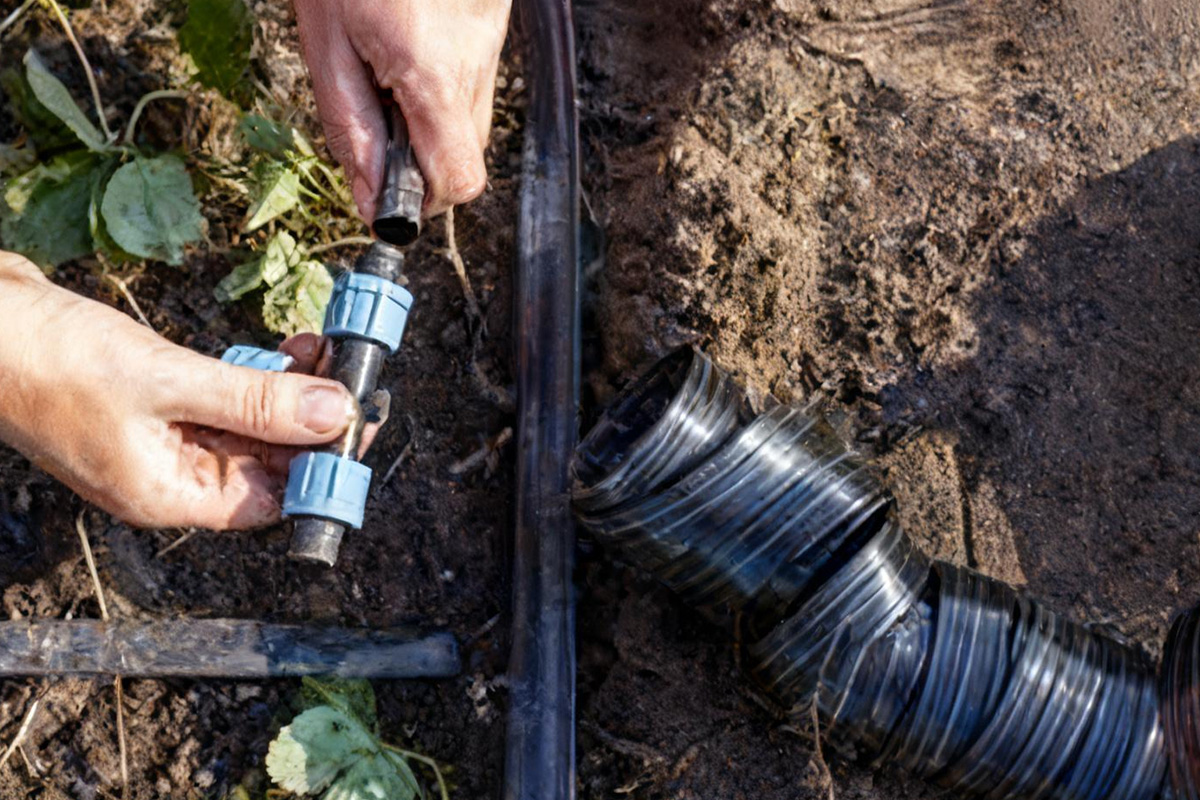
Early Lessons: A hands-on evolution with film
I remember a late-March frost in Central Valley, CA—March 18, 2023—that wiped out about 40% of our tomato starts while a patched cover sagged and pooled water; that loss taught me something simple and brutal: material choice changes yields and margins. I’d been running greenhouses with standard agriculture plastic sheets for years, but switching to a UV-stabilized, 6-mil polyethylene product changed how I budgeted for the season (no kidding). I have over 15 years working in B2B supply chain and greenhouse installs, and I still test films in real time: tear resistance, transmission rate, and infrared heat-retention are not abstract specs for me—they’re the levers I pull when a crop is on the line.
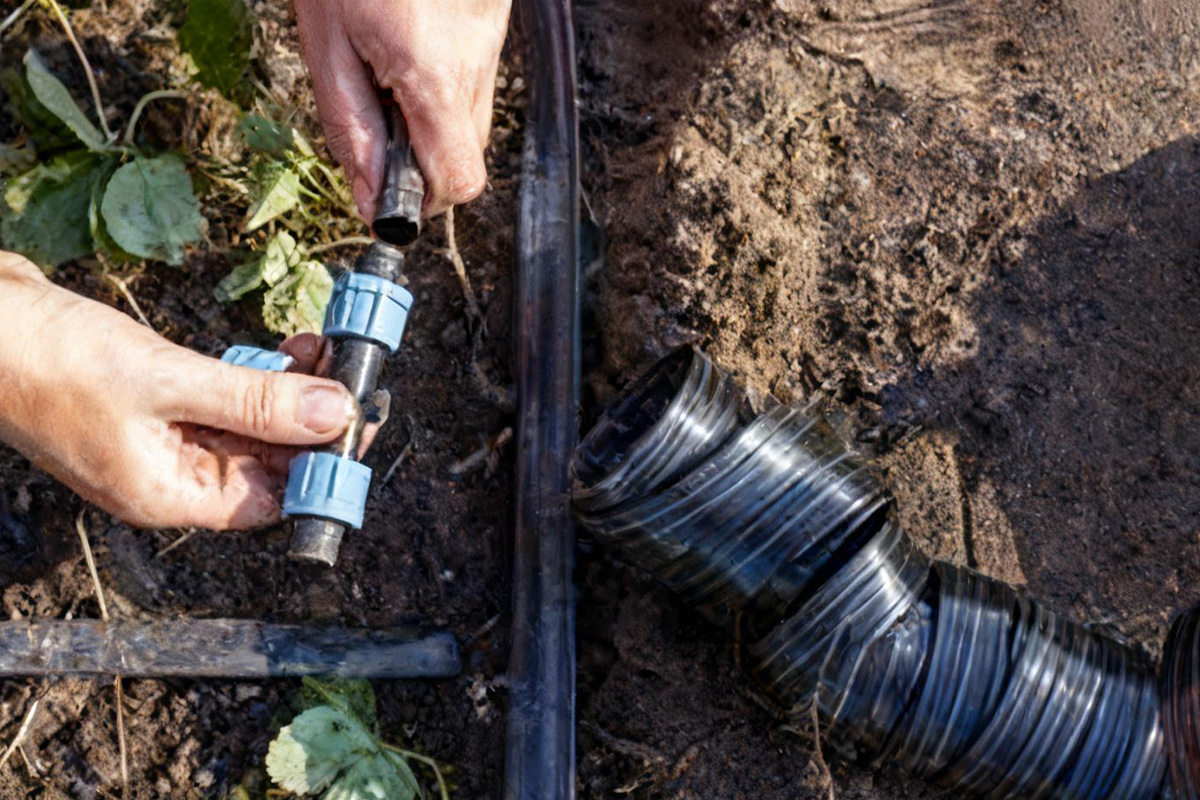
What hidden maintenance costs were I missing?
Most growers treat film like disposable packaging; I used to, too. Then I logged labor hours: replacing a failed sheet cost four man-hours per bay, roughly $120 in labor plus lost plant days. That quantifiable hit—measured in days-to-harvest—revealed a deeper pain point: short-lived films force repeated downtime and unplanned restarts. I’ll be blunt: cheap film saves on PO paperwork but drains margins during a heat spike or hail event. The traditional solutions—single-layer LDPE without UV inhibitors or inadequate gauge—look inexpensive until you total the real cost over six months.
Comparative, forward-focused fixes and metrics
Now I define the problem this way: a greenhouse cover must balance light transmission, mechanical durability, and thermal retention. When I specify a replacement I reference greenhouse plastic film performance data—percentage transmission, expected UV hours, and tear resistance rating—because those numbers predict outcome. I compare aluminized multi-layer films to single-layer films using measurable criteria (gauge and UV stabilization among them). The contrasts are practical: some films give 3–5% better transmission but poor infrared control; others reduce nighttime heat loss by measurable degrees yet demand stronger framing.
Real-world Impact
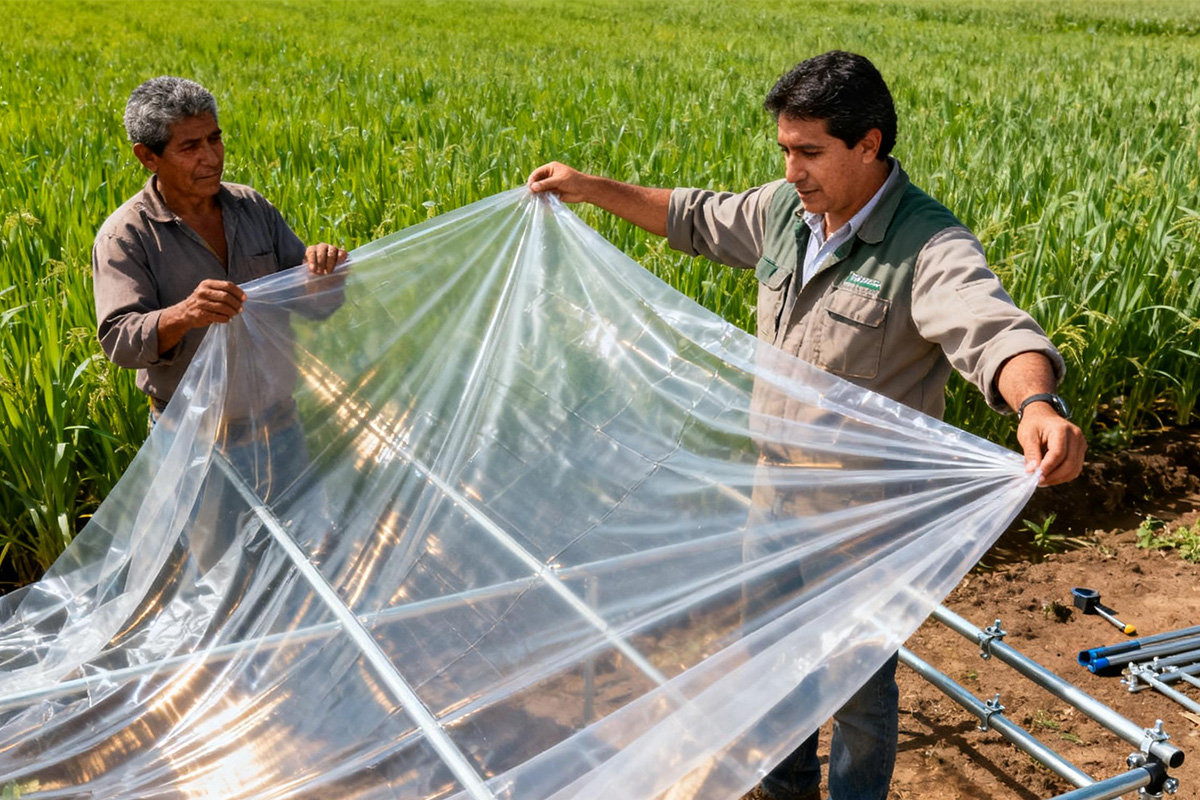
In one retrofit last season we swapped three 30×96 ft bays from a basic 4-mil film to a 6-mil UV-treated, anti-condensate film. The result: reduced condensate drip, fewer fungal flare-ups, and a two-day gain in pollination window for cucumbers—small numbers that compound. I track metrics: days lost to film failure, average daily temperature swing, and replacement frequency per year. Those metrics show ROI faster than sales pitches ever will. It matters—very much.
Three clear evaluation metrics I use when choosing film
1) Durability: measure expected service life in UV hours and check tear resistance ratings—short life equals repeated downtime. 2) Climate performance: compare transmission rate and infrared heat-retention values for your local climate; if you’re in a cool night-zone, prioritize IR retention. 3) Operational cost: total the replacement labor hours, downtime, and crop-day losses against upfront cost—this gives you a credible per-season cost per square foot. I recommend running a twelve-week side-by-side trial on at least one bay before converting an entire facility. Try it—you’ll see the numbers. Also, if you want a practical resource on selection and installation, I refer my clients to product guidance from HGDN; they’ve been a reliable source in procurement cycles. HGDN
