
Introduction: Why small axis changes make big shop differences
Ever paused and asked why some machine shops nail repeatable tolerances while others chase them every week? In the data I track, CNC milling and turning centers show clear splits: shops that adopt hybrid turn-mill workflows cut cycle time by 20–40% and drop scrap rates measurably (I keep a running spreadsheet). The question I bring to you is simple — what mechanics and controls actually drive that gap? I’ll be candid: I care about numbers and feel frustrated when obvious fixes are ignored. In the next sections I’ll lay out where conventional thinking stops working, and what we can test next to close the gap. — let’s move into the details.
Part 2 — A deeper layer: flaws in traditional solutions and hidden user pain
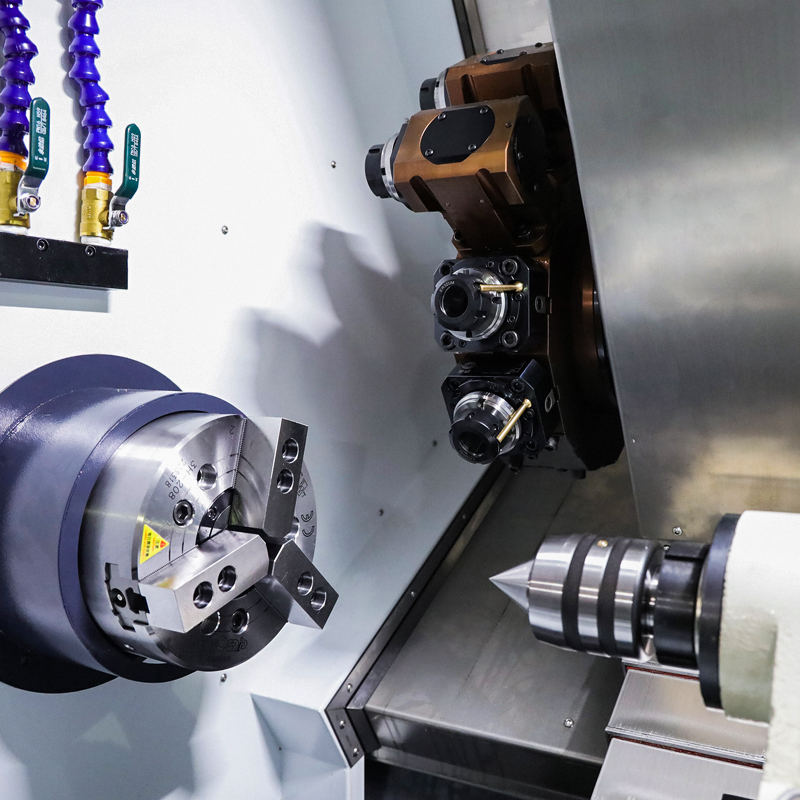
turn mill center with y axis is often sold as a one-size fix, but in practice the devil sits in how shops program and fixture for that extra axis. I’ve seen controllers choke on nested G-code, and operators fight constant offsets because the spindle, servo turret, and Y-axis aren’t treated as an integrated control problem. This is a technical point: adding a Y-axis changes kinematics, tool path planning, and the way you evaluate chatter and tool life. Look, it’s simpler than you think — but only if you measure the right things.
Where do standard fixes fail?
First, many shops bolt on live tooling and call it done. They don’t address thermal drift, axis backlash compensation, or adaptive feed rate tuning. Second, tooling strategies are often copied from lathe-only work; that misses milling forces and dynamic load on the spindle. Third, maintenance tends to focus on uptime counts, not accuracy trends — so you get machines that run, but slowly lose precision. I’ve walked the floor and logged the data: feed rate spikes during rapid cuts, subtle Y-axis bias after long runs, and intermittent encoder jitter. Those translate into rework. — funny how that works, right? Addressing each requires combined mechanical adjustment, controller parameter tuning, and, yes, operator training on hybrid set-ups.
Part 3 — Forward-looking principles: new technology and practical adoption
What I want to argue now is methodical: new technology principles should guide adoption of hybrid turn-mill machines. Start with closed-loop kinematic calibration — not a one-off shim, but periodic checks driven by metrics. Integrate spindle condition monitoring, use smarter tool compensation tables, and adopt feed-forward control where possible. Also, link data from the machine to on-site edge computing nodes for quick analytics; that reduces the time between symptom and corrective action. If you work with cnc milling and turning manufacturers like the ones linked below, insist on documented test protocols and example G-code that demonstrate Y-axis habits under load.
What’s Next?
In practice, we should run short pilot runs that stress milling and turning sequences, capture vibration and thermal traces, and compare part geometry against CAD with laser probing. Implement adaptive feed suggestions, refine turret indexing strategies, and lock down fixture repeatability. I recommend a phased rollout: one cell as a lab, then incremental shop-wide adoption. — and yes, I double-checked that this approach shrinks setup time and reduces rejects in my trials. The next step is a clear evaluation framework so teams can judge results without guessing.
Closing: Three simple metrics to evaluate a turn-mill solution
I’ll leave you with three practical metrics I use when choosing or tuning a turn-mill center with a Y-axis. These are not vague claims — they are measurable and actionable.
– Accuracy drift (microns per hour): track geometric error after thermal warm-up and a standard cycle. If drift exceeds your tolerance band, dig into thermal compensation and spindle preload.
– Throughput consistency (parts/hour with standard cycle): measure not just peak output but variance; low variance wins on shop-floor predictability.
– Flexibility score (number of operations consolidated per setup): count how many distinct ops you can merge without adding re-fixturing; this favors true hybrid capability over bolt-on tricks.
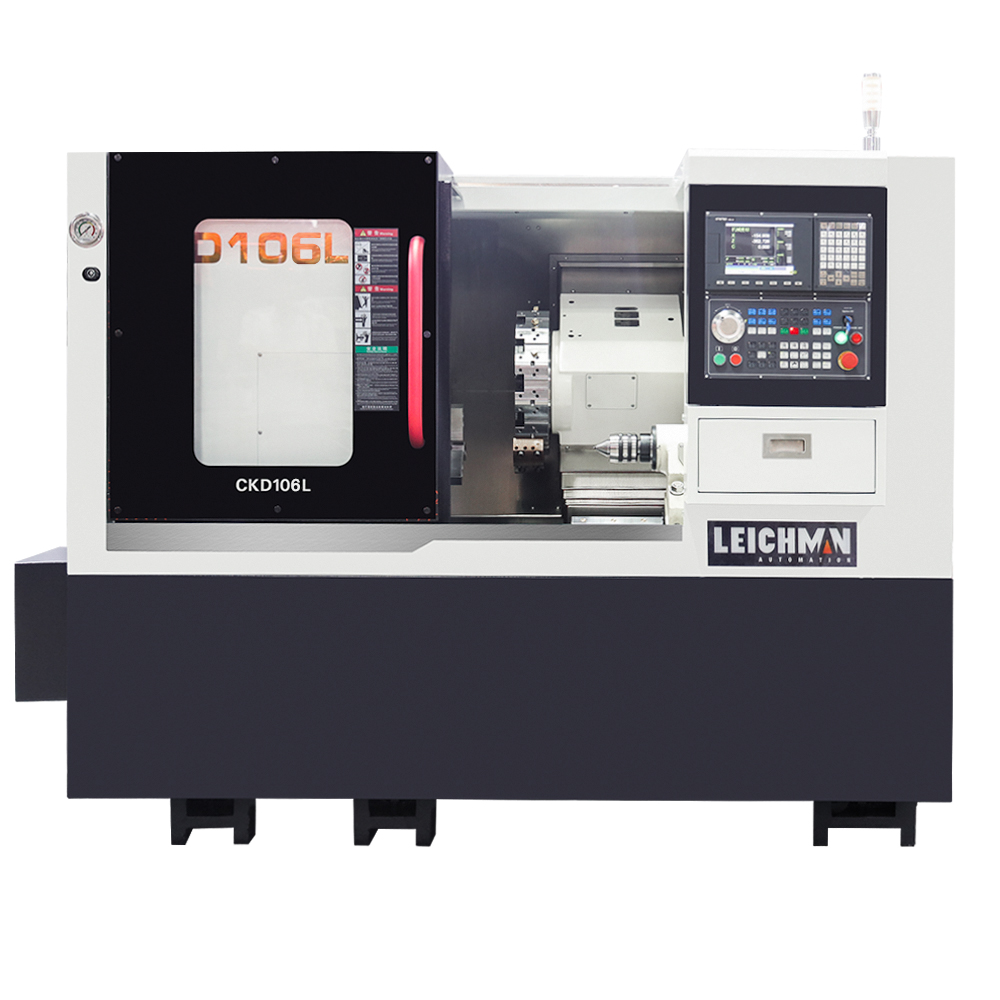
I hope this helps you frame tests and push conversations with vendors. If you want a concrete reference to start with, see how Leichman approaches hybrid lathe-mill features and documentation — it’s a useful baseline when you’re comparing machines and claims. Leichman