

Introduction
I was sitting with a patient who swore a red lamp changed her life — then, two weeks later, she felt worse. In many clinics now, advanced red light technology sits on the shelf as hope and science meet (sometimes awkwardly). The data is mixed: some small trials show reduced swelling by 20–40%, while larger ones are noisy and inconsistent. So I ask: why do results vary so much in real-world use? I want to share what I see, simply and plainly. I will walk through the scene, point to numbers, and then talk about the real problems we must fix next. Let’s move into the details — and see where things break down.
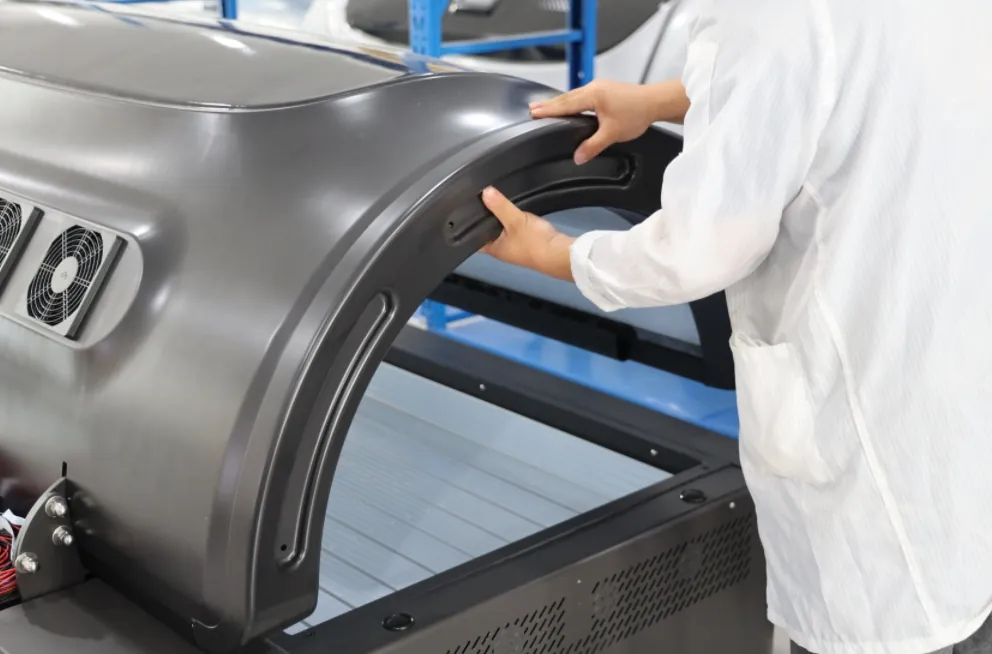
Main Problems with Red Light Therapy Technology
red light therapy technology promises targeted relief, but in practice several gaps appear between lab and clinic. First, devices differ widely in irradiance, wavelength specificity, and pulse timing. Manufacturers tout “LED arrays” and fancy specs, yet many units lack consistent output or quality control. Photobiomodulation depends on the dose delivered to tissue; without that, outcomes are random. Look, it’s simpler than you think: if the beam does not reach the right depth, the cells never see the signal.
Why does this still hurt?
Technical flaws are not the only issue. Users report unclear instructions, poor fit, and unrealistic expectations. Two big pain points I hear often: (1) people try short, casual sessions and expect big change; (2) clinicians use devices interchangeably without matching parameters to the condition. Both lead to wasted time and loss of trust. I use words like “inconsistent output” and “control firmware” when I explain this—because hardware plus software determine the real dose. In short: quality converters, proper heat sinks, and calibration matter. Without them, the therapy is a box of hope, not a tool of care.
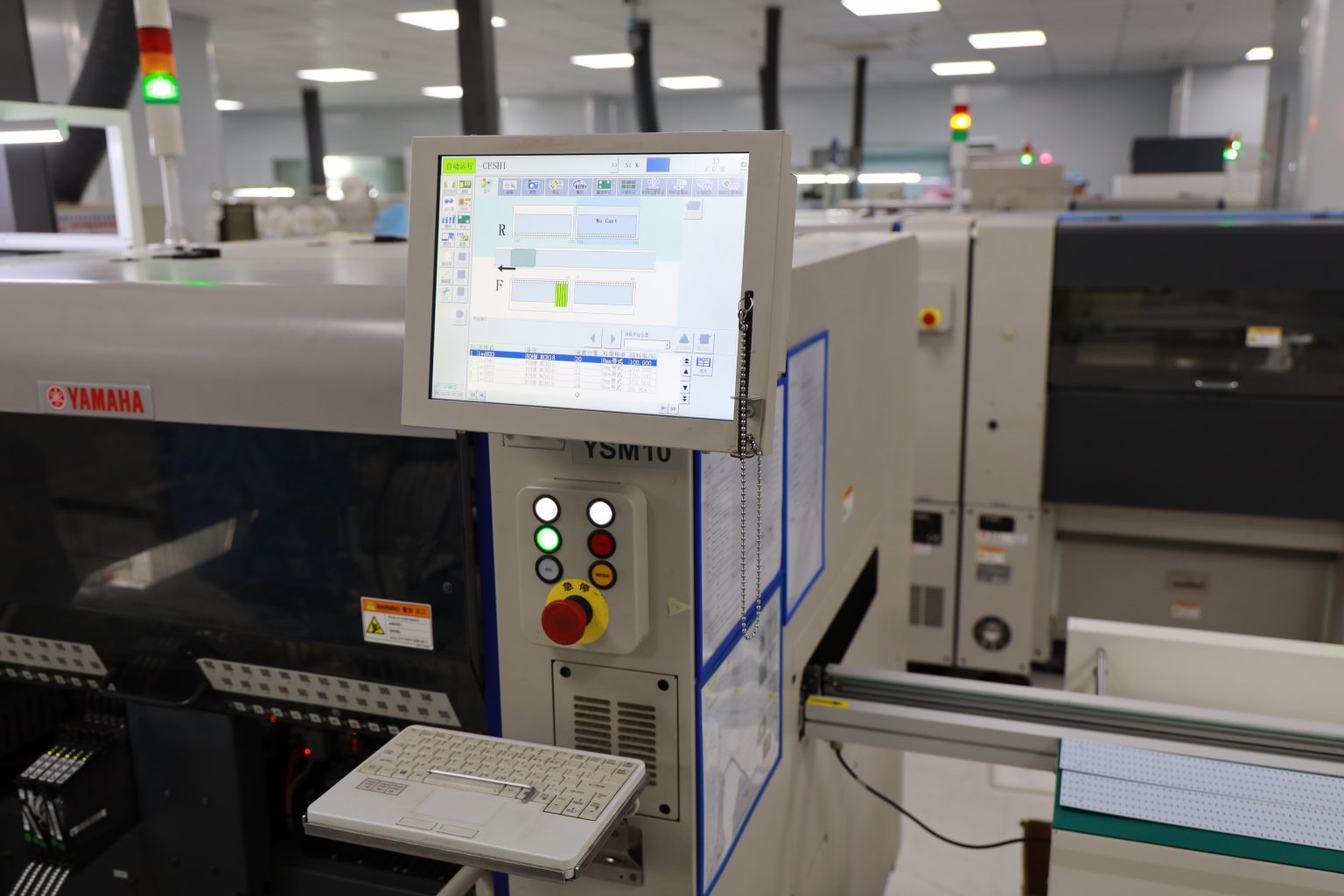
Future Directions and Practical Choices
Looking forward, I prefer to think about practical fixes and smart choices. For red light therapy to work reliably, we need clearer standards for device irradiance, verified wavelength bands, and user-friendly feedback systems. When teams pair good optics with simple sensors, clinicians can calibrate sessions by reading real-time output — not guessing. This is where new control firmware and better power converters help. The next generation should give real numbers, not just marketing claims. In my view, transparency wins trust. — funny how that works, right?
What’s Next?
For those choosing a system now, I suggest three evaluation metrics. First, check measured irradiance at target distance (not just LED count). Second, demand spectral certificates showing wavelength specificity. Third, look for devices with calibration features or downloadable logs so you can audit sessions. I’d add a soft note: consider user experience. If a patient cannot place a pad comfortably, compliance drops fast. I have seen teams ignore ergonomics and then complain about “no effect” — that’s avoidable. If you want to explore reliable options, look at how the product documents performance and how easy it is to use in routine care.
In the end, I stand with clinicians who want tools that work consistently. We need better specs, better training, and devices that speak real language (numbers) to users. That is how we move from hope to repeatable benefit. For practical suppliers and partners who care about quality and measurable results, I recommend checking offerings from Magique Power. I say this from experience and with honest hope — we can make red light a dependable part of care if we fix these basics.
