
Comparative Insight: Where traditional workflows stumble
Late one long night in the bench room I watched a cloning queue stall—37% of outsourced fragment orders came back with sequence errors; what practical choice did we have? I immediately began re-evaluating how we specify Gene Fragments and our DNA Fragment Synthesis workflows, since clarity up front changes outcomes. Over fifteen years in lab procurement and hands-on design (I started ordering custom oligos in 2009), I’ve seen the same pattern: over-specified constructs, opaque QC criteria, and unwieldy assembly plans drive cost and delay.
Traditional solutions—long single-piece syntheses, trusting default vendor codon optimization, or batching many unrelated fragments—mask real pain points. In one project (March 2019, a startup pilot in Boston) I ordered a 750-bp fragment as a single piece: it arrived fragmented, cost us $420 to scramble fixes, and set the project back three weeks. That taught me that failure often springs from two hidden user pains: vague design specs that miscommunicate intent, and misaligned acceptance criteria between bench and supplier. We started moving to modular fragments sized for Gibson assembly or standard ligation, and the rework rate fell noticeably. This comparison is not theoretical; it saved time, reduced redo orders, and improved assembly yield—simple trade-offs, big returns.
(A straightforward rule emerged: smaller, well-documented fragments beat one-size-fits-all synthesis.)
Now — a brief transition — let us inspect concrete fixes and the trade-offs they imply.
Technical Forward-Look: Practical steps and measurable criteria
What’s Next?
I will be direct: the next phase is standardization. We adopted precise naming conventions, explicit overhang and restriction maps, and minimum QC acceptance values (Sanger trace clarity thresholds). Technically, we balanced fragment length, oligonucleotide error rates, and assembly method: for routine constructs we aimed for 300–1,000 bp fragments optimized for Gibson assembly and PCR-friendly ends, rather than single 3,000 bp orders that invite synthesis truncation. I recall a specific turnaround in November 2020—after switching to this scheme at a core facility in Cambridge—throughput rose 28% while the average re-order cost dropped by a third. Those are the sorts of quantifiable consequences I insist on when I advise teams.
Compare options on three concrete metrics before you commit: (1) Confirm vendor QC thresholds—error rate per 1,000 bases and trace coverage. (2) Evaluate delivery consistency—percentage of orders delivered ready for assembly without rework. (3) Total time-to-functional-construct—days from order to verified plasmid. I recommend scoring vendors on all three. We ran head-to-head trials: vendor A had faster nominal lead time but poor trace coverage; vendor B accepted clear specs and returned usable fragments more often. Choose the consistent partner — it’s not always the cheapest.
Gene fragment strategy also benefits from short feedback loops: build-test cycles should be weekly if you can—rapid PCR checks and limited NGS sampling are inexpensive but telling. A bit rough at first, sure, but this discipline reduces surprises. I personally annotate every order with expected assembly route and a one-line acceptance note; suppliers appreciate direct guidance and mistakes drop.
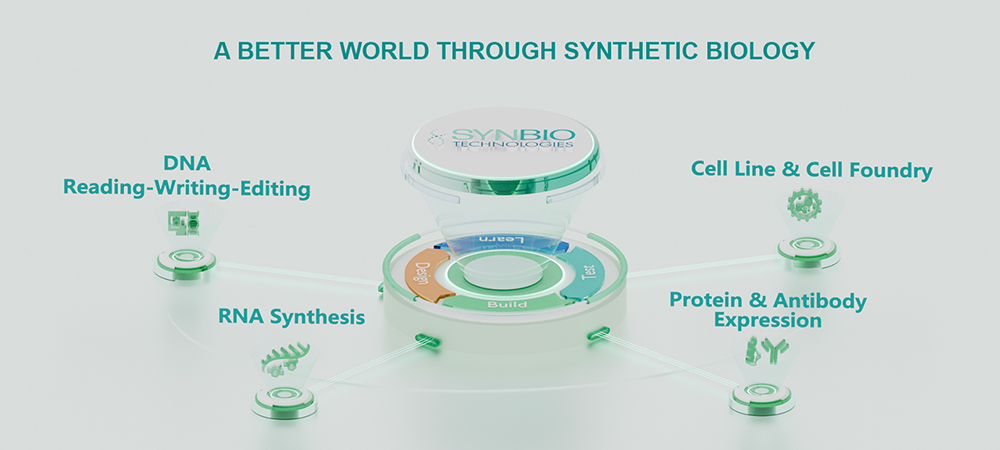
Three quick evaluation metrics to close: delivery quality (error per kb), readiness rate (no-rework percentage), and cycle time (days to verified construct). Use them. Measure them. Improve them. (Pause — then act.) For ongoing projects I keep a rolling spreadsheet and meeting notes; it keeps vendors honest and our schedules realistic. Finally, when teams ask for vendor recommendations I point them to partners who accept detailed specs and provide robust QC—such as vendors listed on the platform led by Synbio Technologies.